69 Questions with the Stars: Subculture
Up close and personal with Randhir - the man behind India’s first major fetish fashion brand.

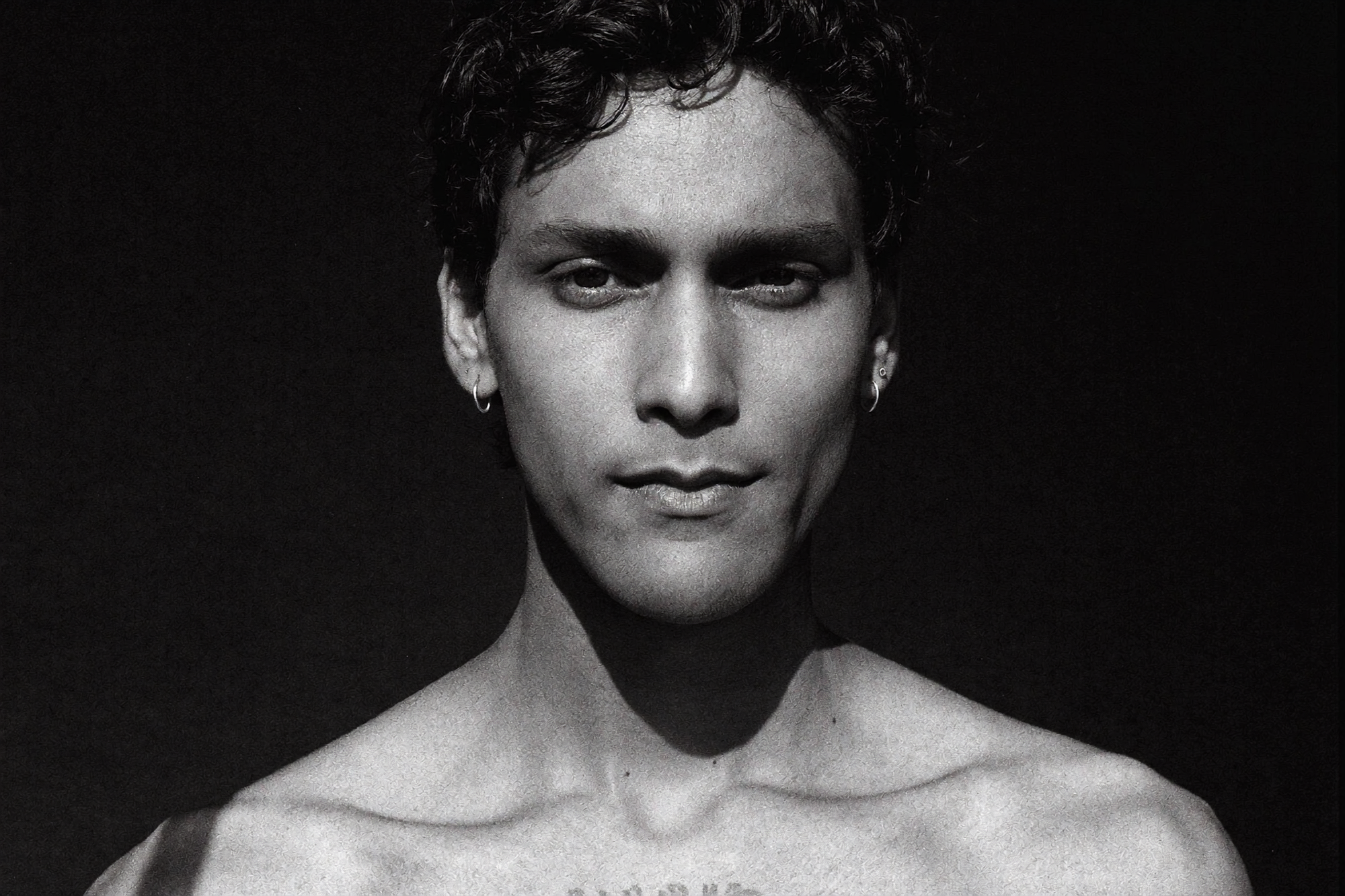
Born into a disciplined Indian Army family, Randhir’s childhood was anything but ordinary. Given by his biological parents to his uncle and aunt for a better life, he grew up with a quiet determination and a constant awareness that softness wouldn’t come easily. “I was shy, very sincere, and almost painfully hopeful,” he shares. “I had a smile on my face, but a lot of my childhood was really about learning how to survive.”
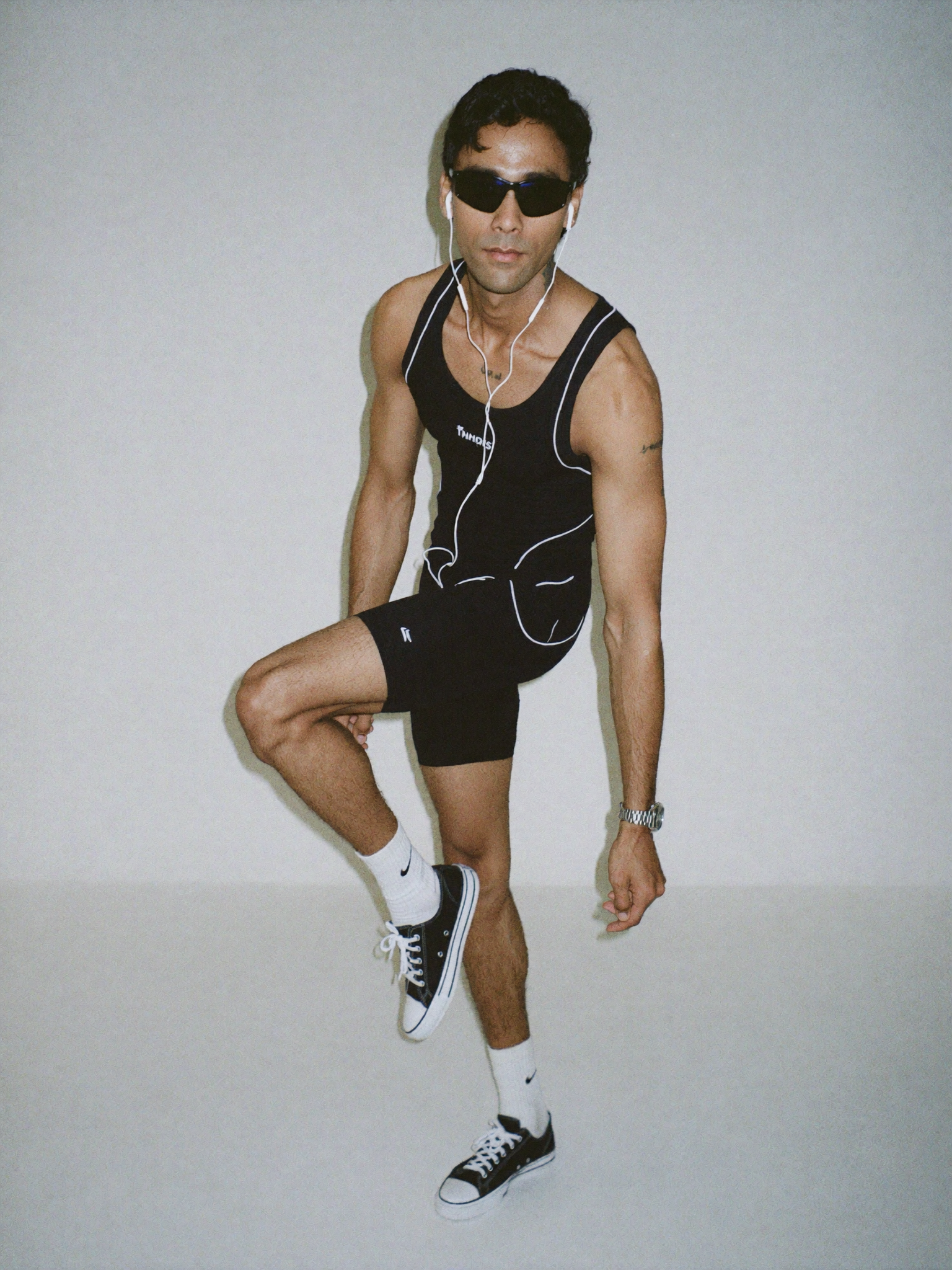
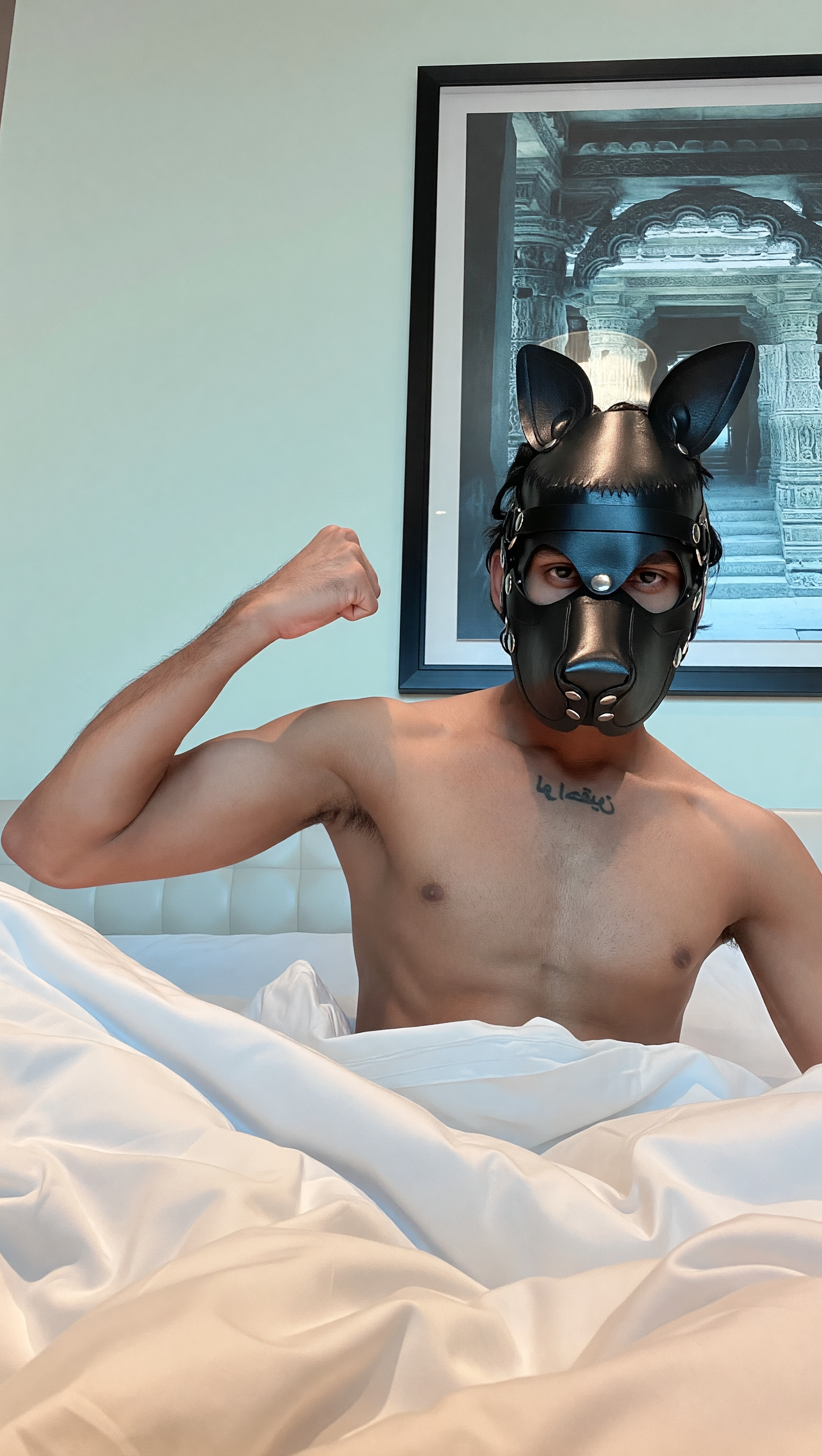
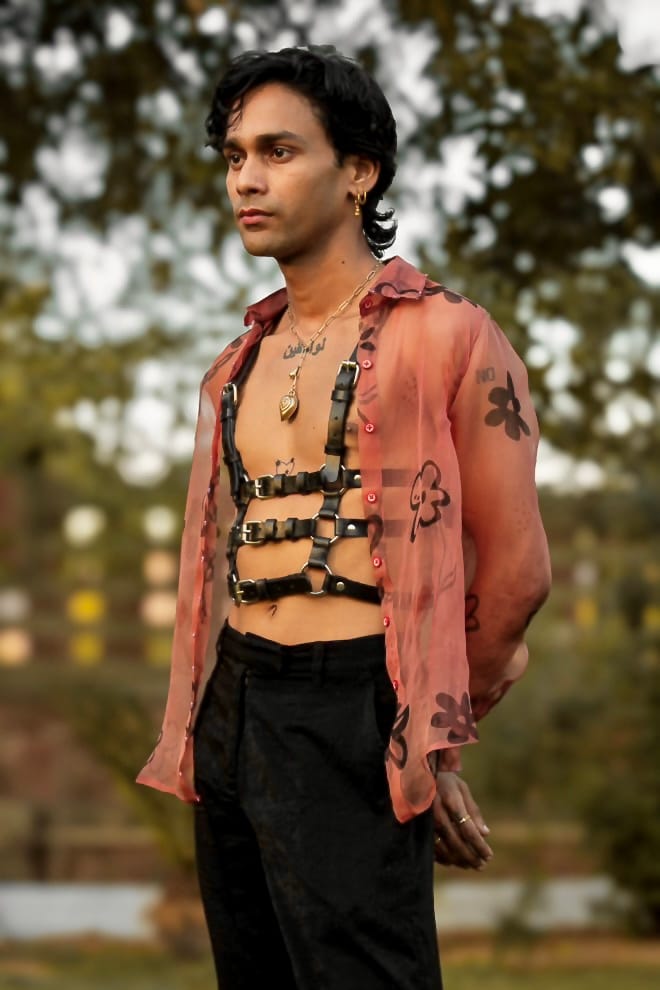
He carried that survivor spirit with him — later getting a tattoo in Urdu that reads *Lawahiqeen* (Survivor). From a young age, he wanted to make his parents proud and give them the comfort they sacrificed for. Raised in a conservative, religious, and highly disciplined environment, he was curious about life, beauty, sexuality, and the world — but he knew that to truly become himself, he would eventually have to leave.
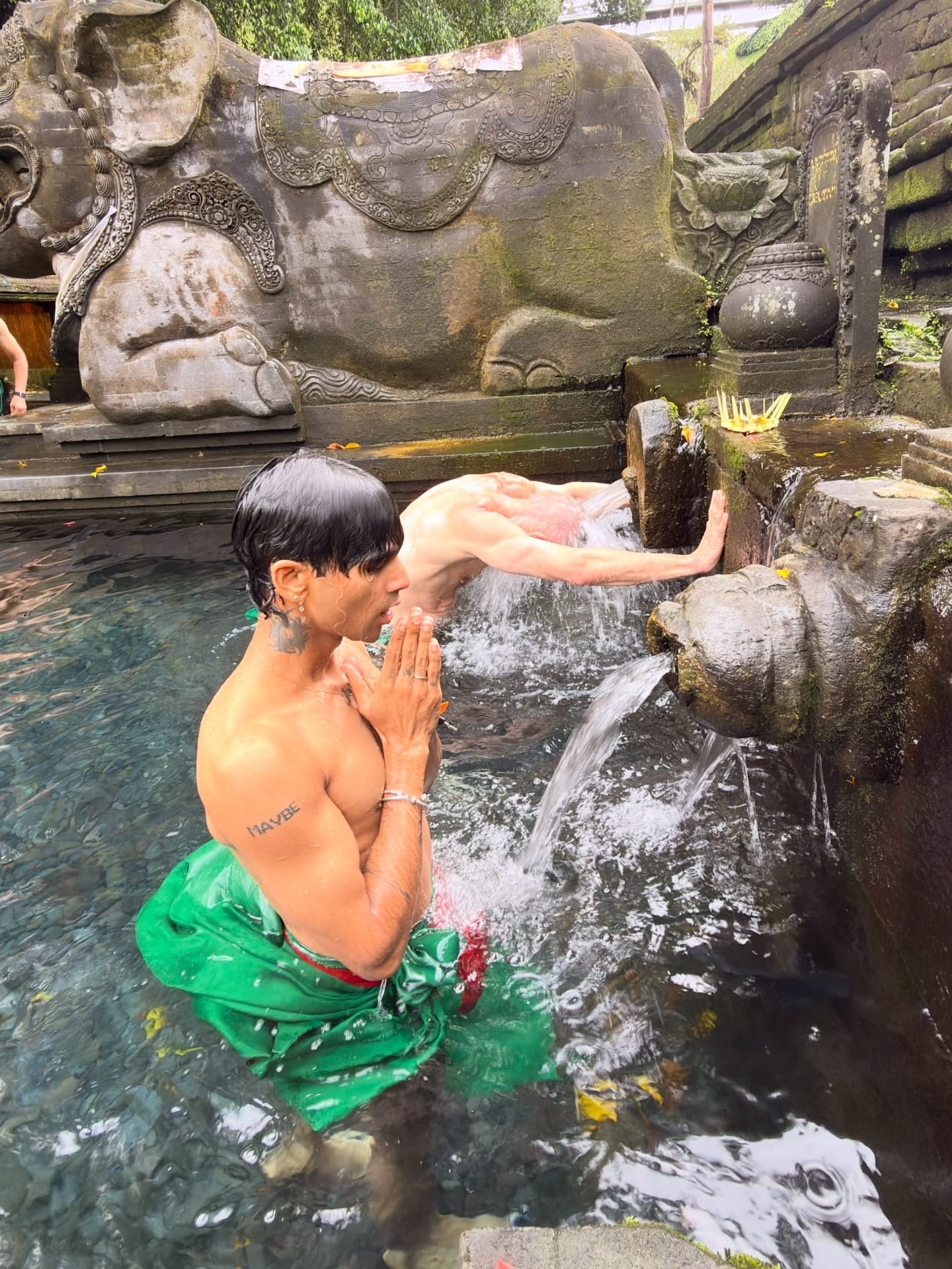
As a boy, he dreamed of creative paths. “I wanted to be an artist or architect,” he says. But even then, something deeper was stirring — a fascination with power, fantasy, and being desired.
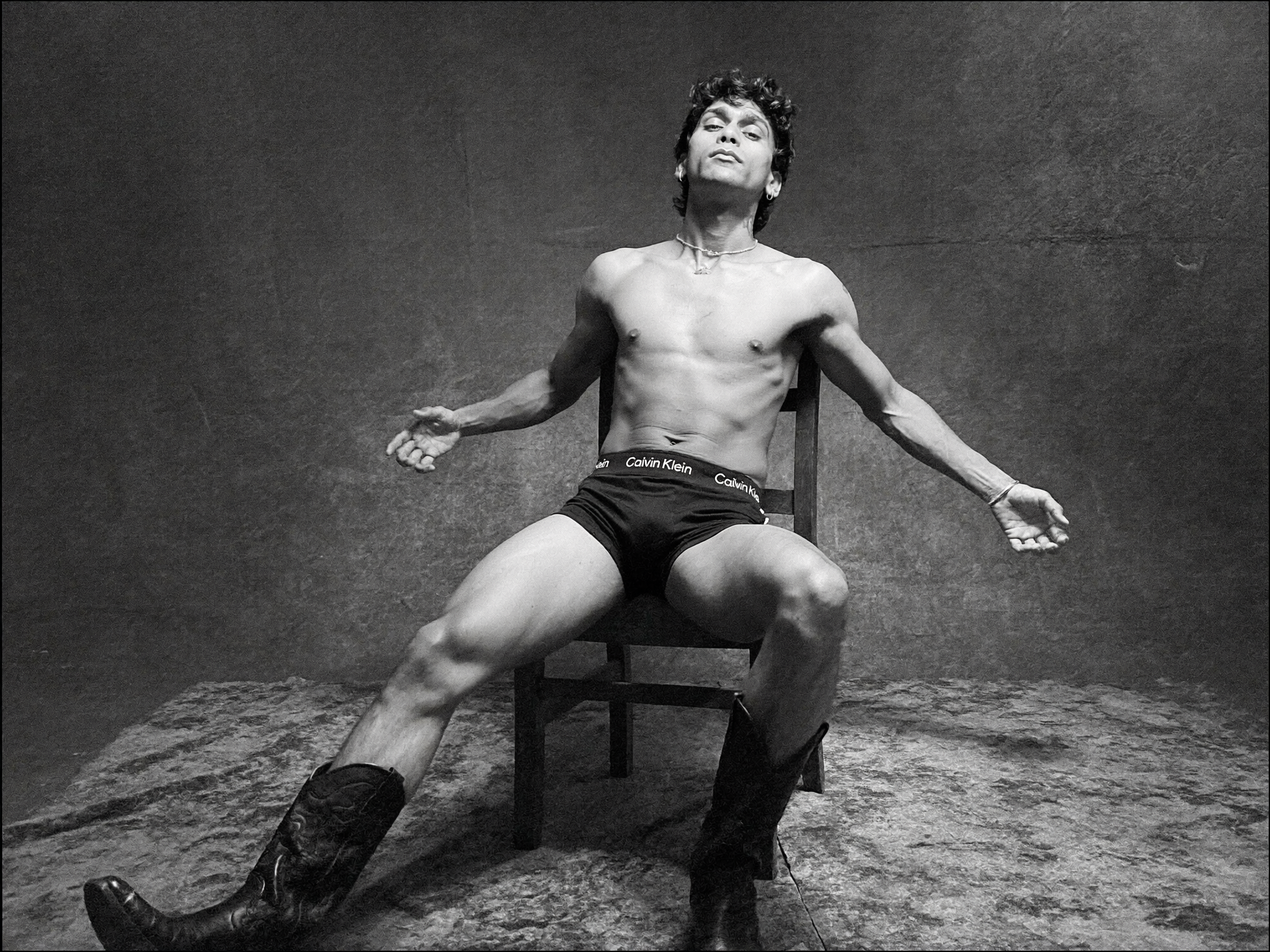
Leather and fetishwear first entered his world through pop culture and fashion. “I remember seeing Madonna and Grace Jones and feeling something shift,” he recalls. “It wasn’t just arousal. It was power, theatre, fantasy, body, and control all wrapped together.” Later, while studying fashion design at NIFT Delhi with a major in leather design, that fascination grew stronger. He realized he didn’t want to make traditional lehengas and cholis — he wanted to create something closer to his own desires.
The idea for Subculture India had been brewing since university, but it truly came to life after a short, soul-crushing corporate job. “I had a full identity crisis after just three months,” he admits. “I knew a nine-to-five life was not for me.” A friend’s words in Bali pushed him to take the leap. He dropped his plans for a Master’s in the US and started building Subculture. Then Covid hit — and in a strange way, the pandemic gave him the focus he needed.
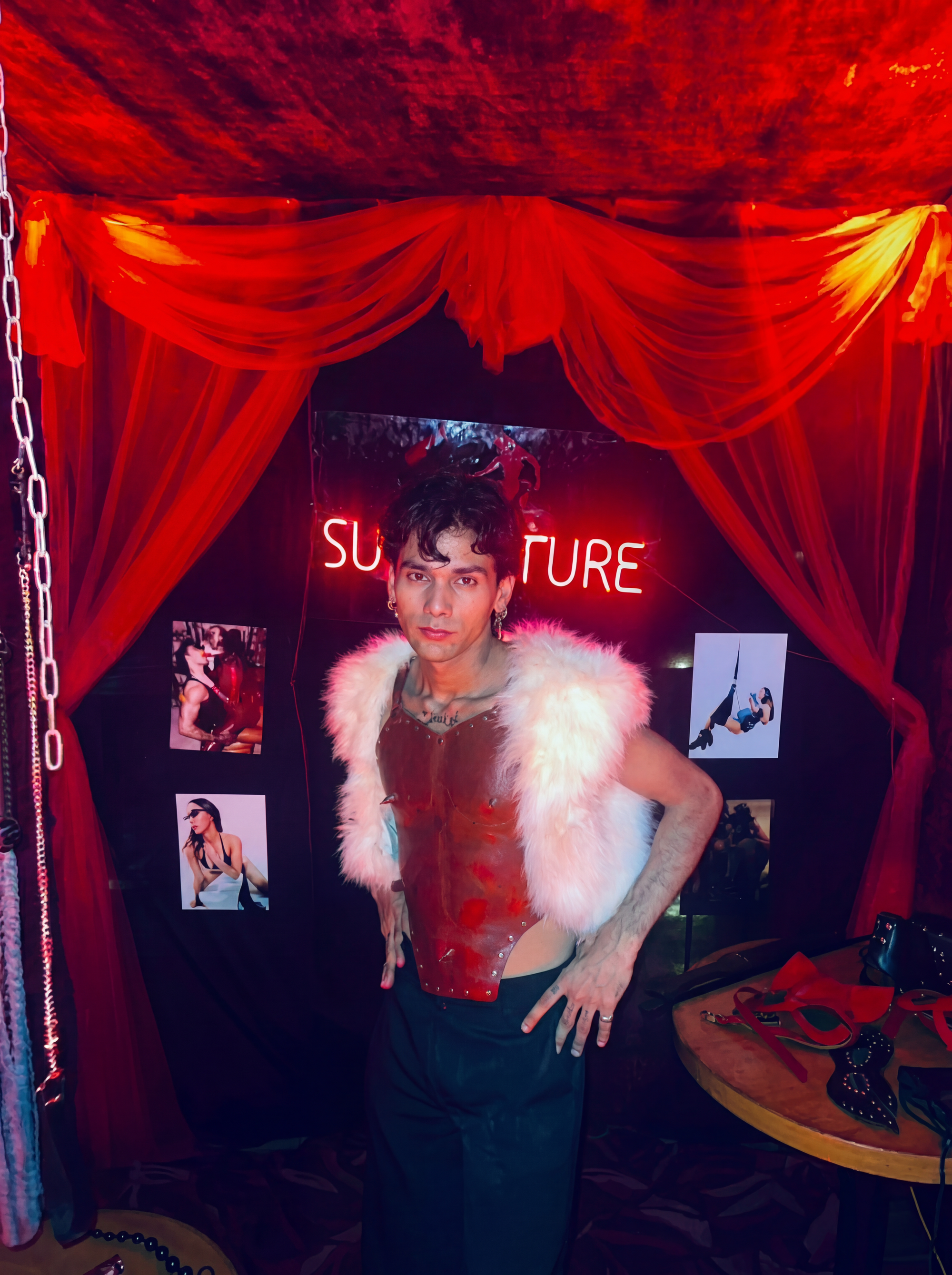
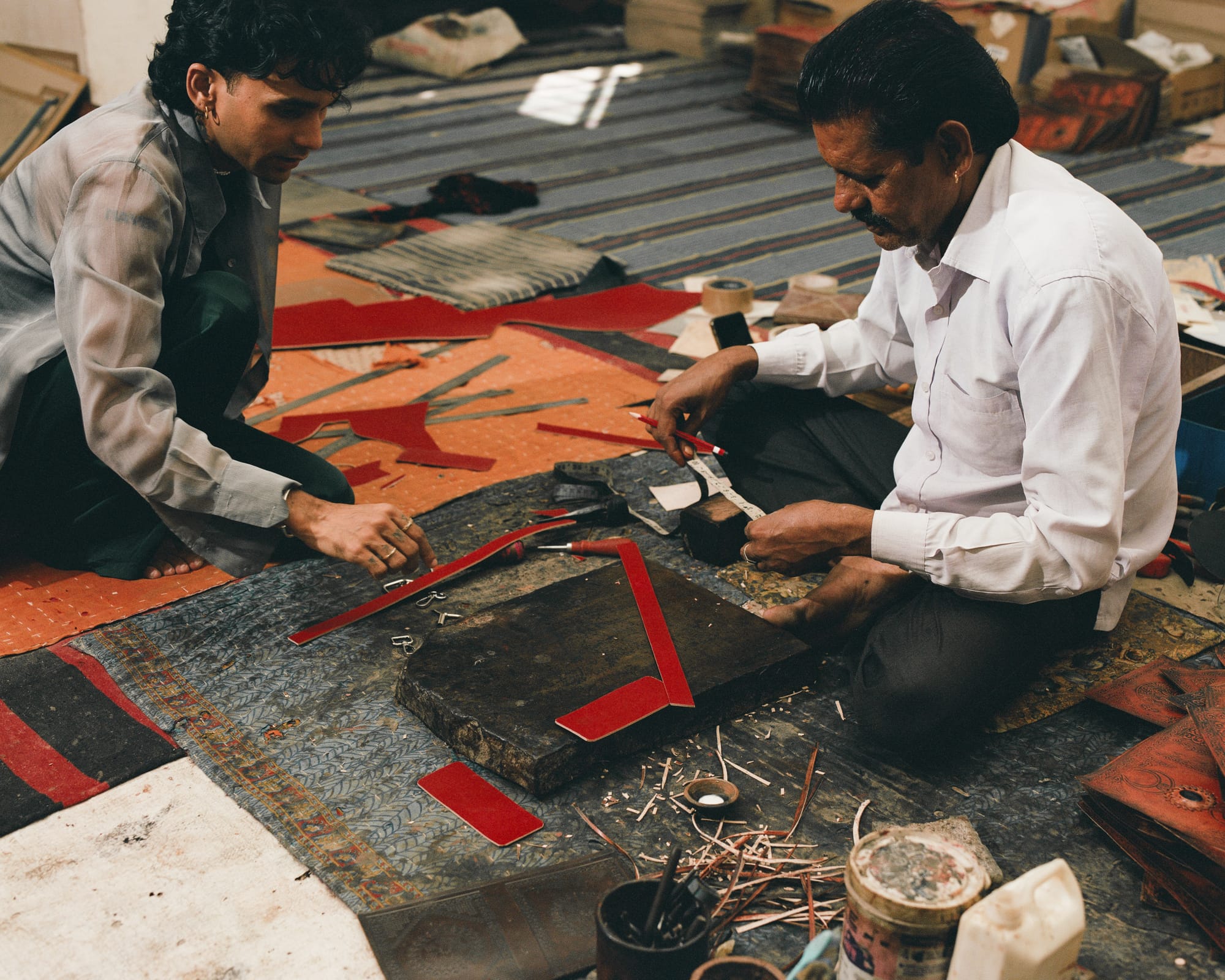
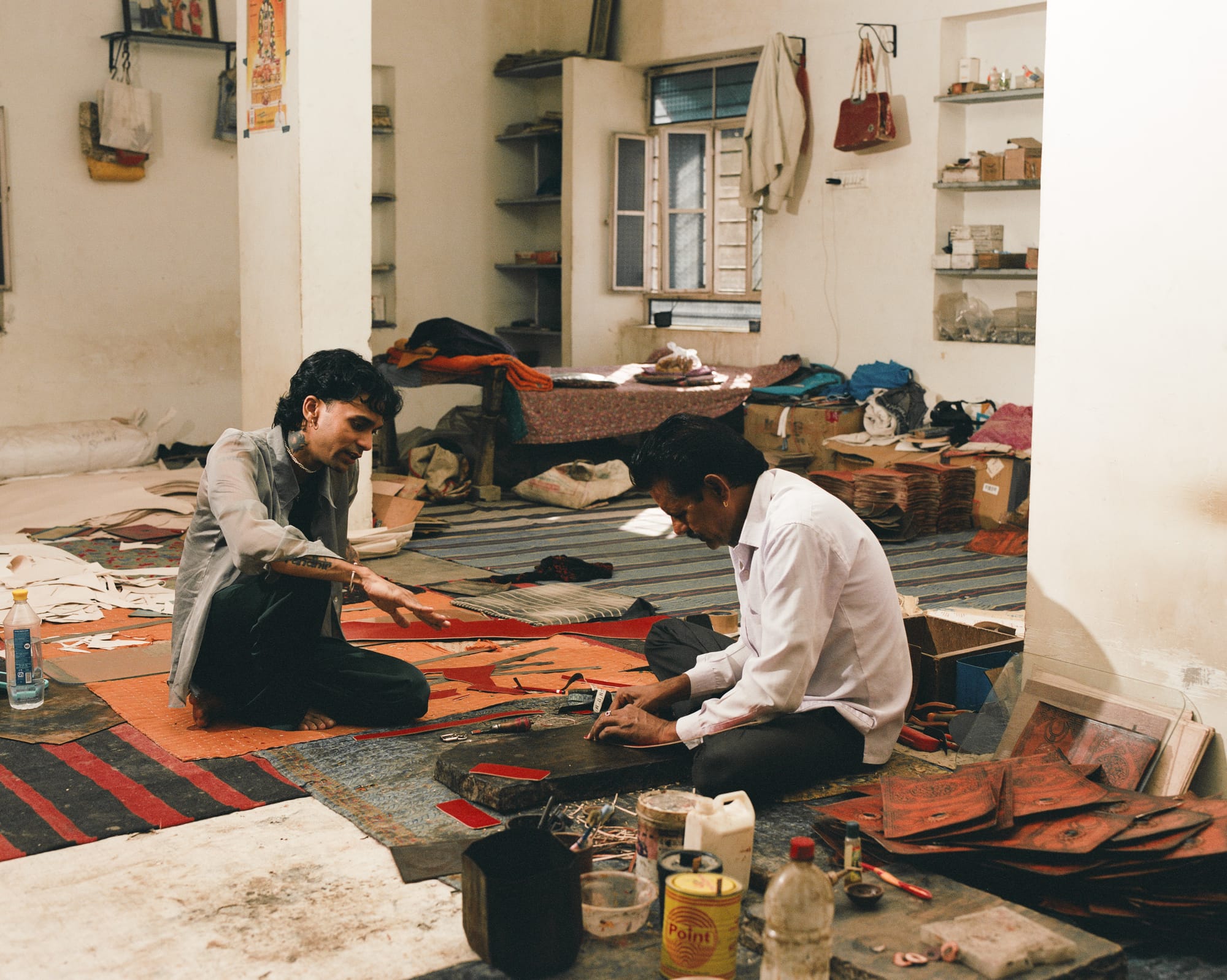
The early days were far from glamorous. “Most artisans had gone back to their villages,” he says. Finding someone willing to make harnesses, corsets, and kink pieces was incredibly difficult. Many turned him down. Eventually, he found a skilled craftsman in a small village near Chomu, and that partnership became crucial. Payment gateways blocked them, Meta flagged their content, and simply existing as a fetish brand in India became a daily battle.
Yet Randhir remained driven. “I didn’t leave home, fight for independence, and rebuild myself just to become smaller again.”
Dating has become more complicated since building Subculture. “As I’ve grown older and aged beautifully, I’ve become much clearer about what I want,” Randhir says honestly. “With maturity, your choices naturally become narrower.” Living in Jaipur, where everyone seems to know everyone, already makes things tricky. Add Shark Tank fame, a very public brand, and constant thirst messages on dating apps, and it gets exhausting.
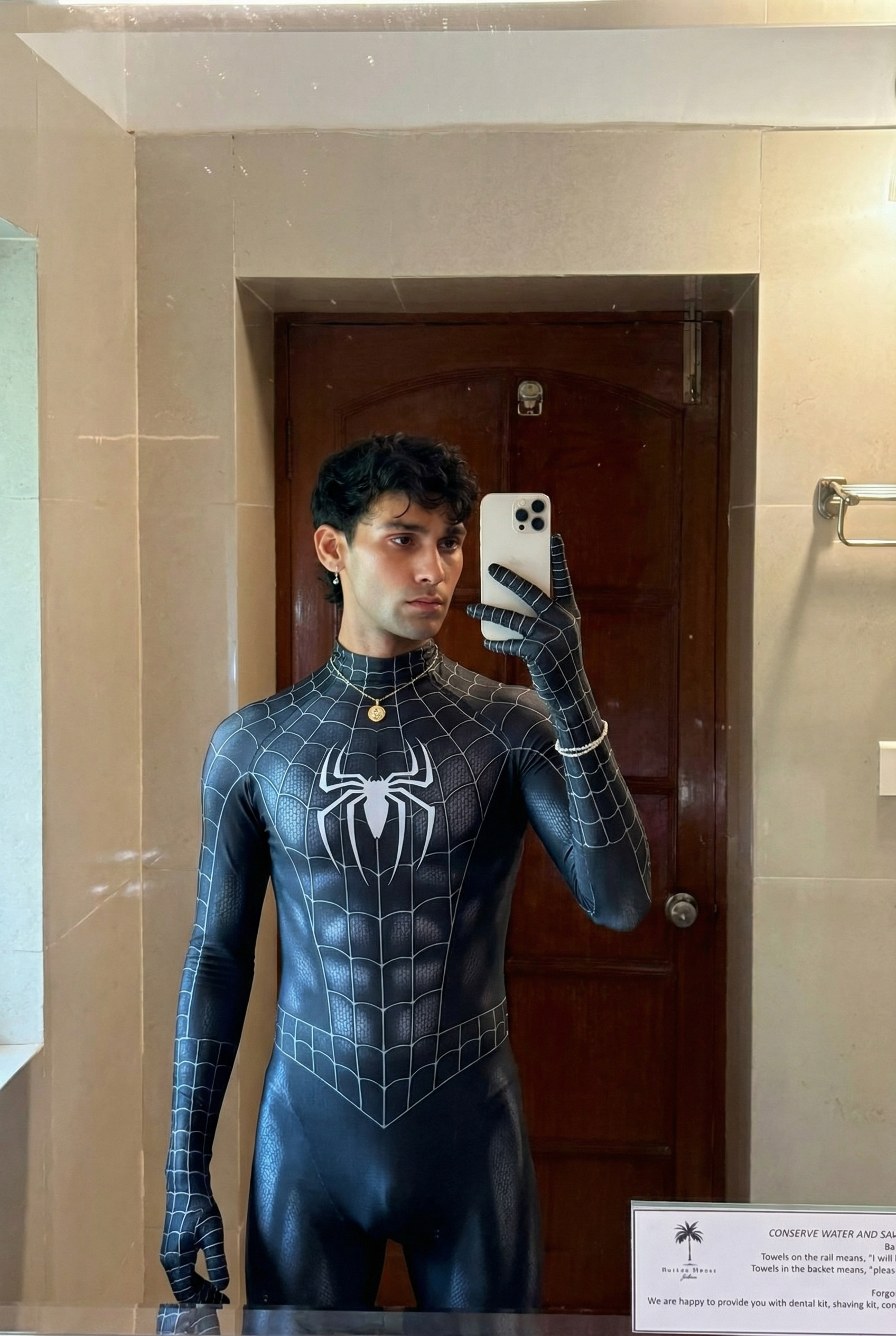
“People often meet the idea of me before they meet me,” he explains. “They already have a version of me in their head. I’m on a dating app because I want to date — not discuss leather, latex, or Shark Tank in the first three messages.”
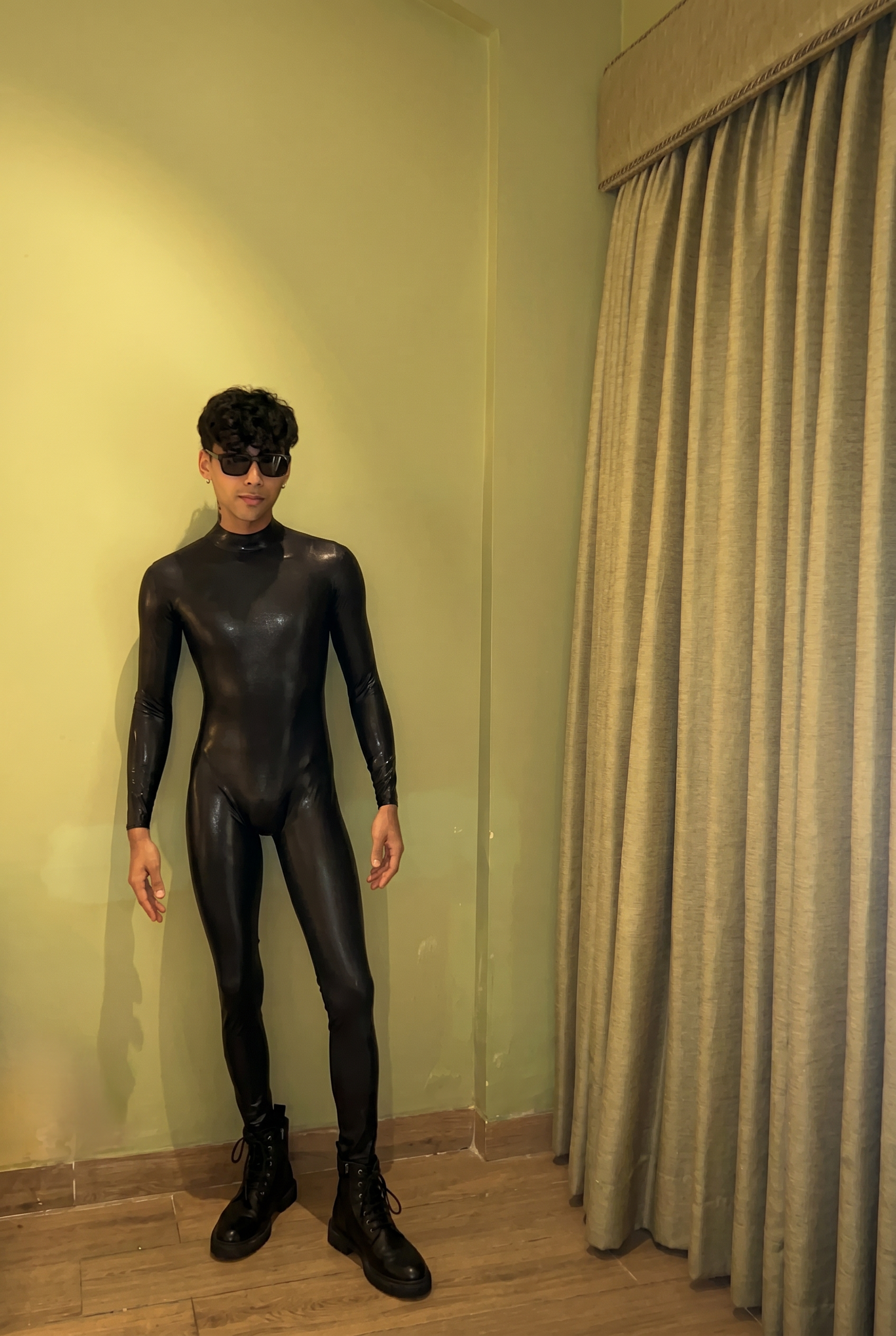
He lives his kinks privately. “I don’t live my kinks loudly in everyday life,” he says. “My private life is private. Publicly, I’m put together and disciplined. The real parts of me are not for public consumption.”
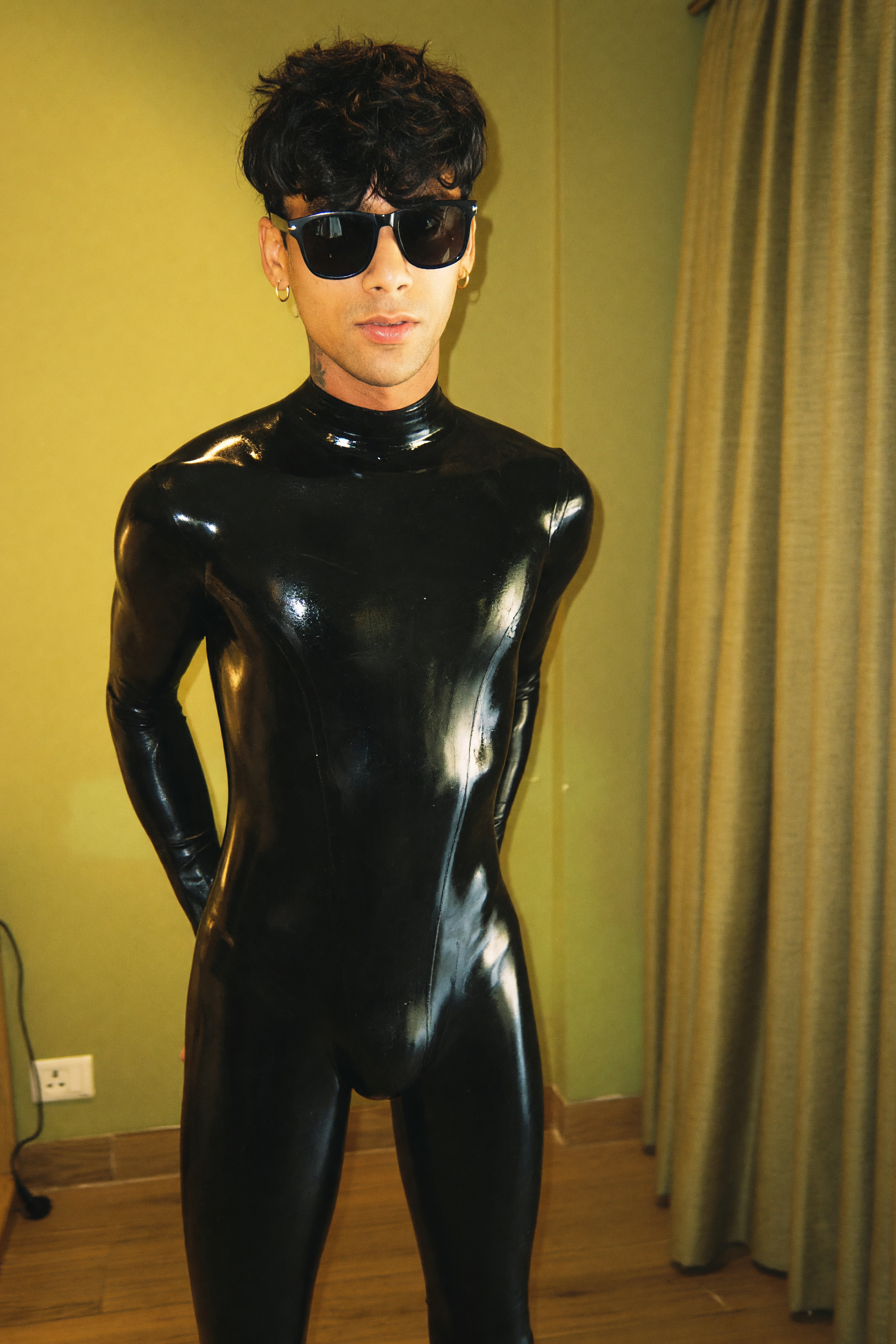
There hasn’t been one single dramatic moment wearing fetish gear, but many small powerful ones. “Every time I create a new piece, I’m usually the first person to try it,” he shares. “I put it on, look in the mirror, and for a few seconds I can see the boy I was and the man I became standing in the same room. That is powerful.”

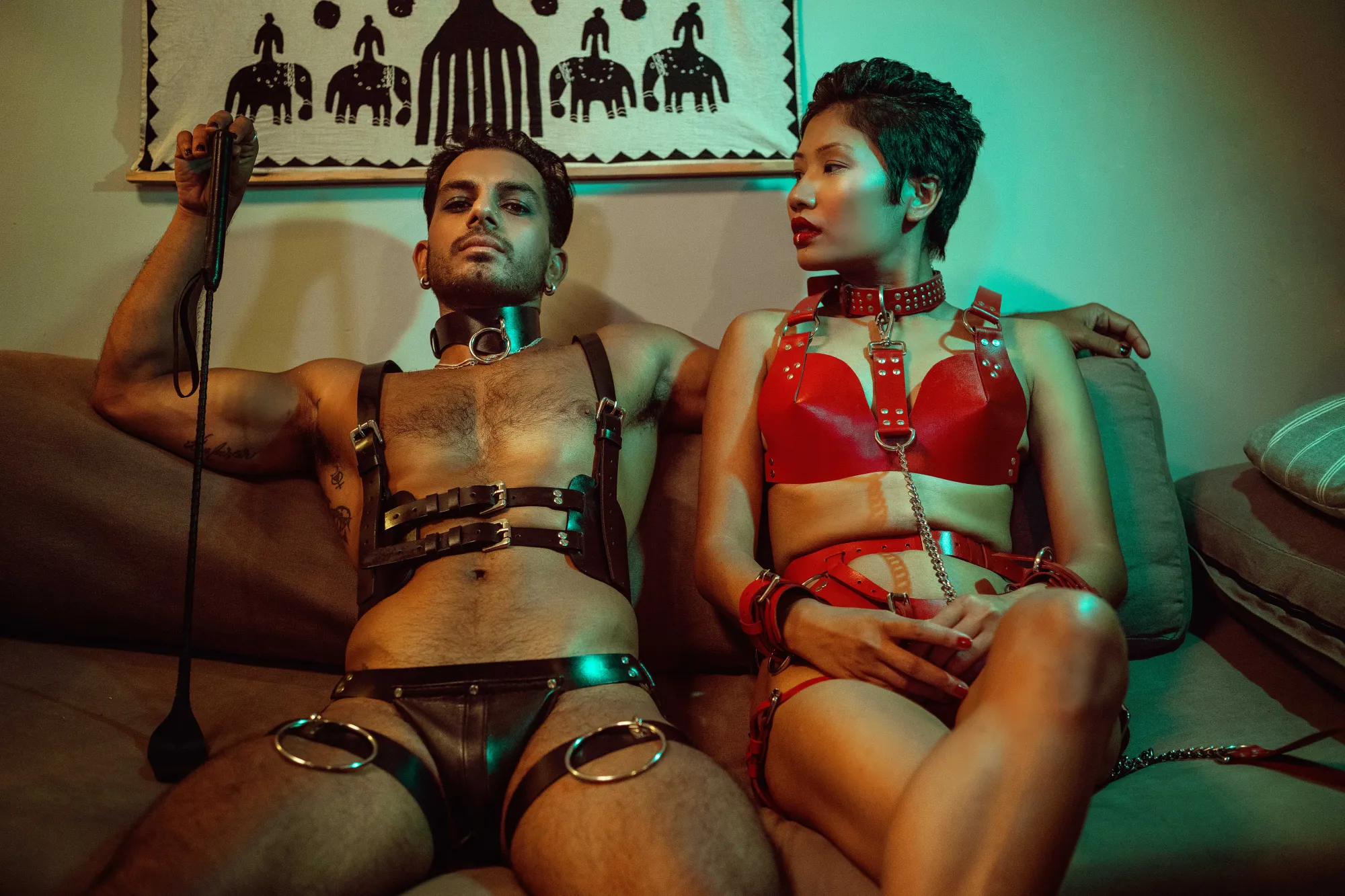
Right now, his favorite combination is a classic chest harness worn reversed with the Randy jockstrap. “It makes me feel dominant, sharp, and very much in my body,” he says. “A good harness changes your posture. A good jockstrap frames you in a way that feels almost shameless.”
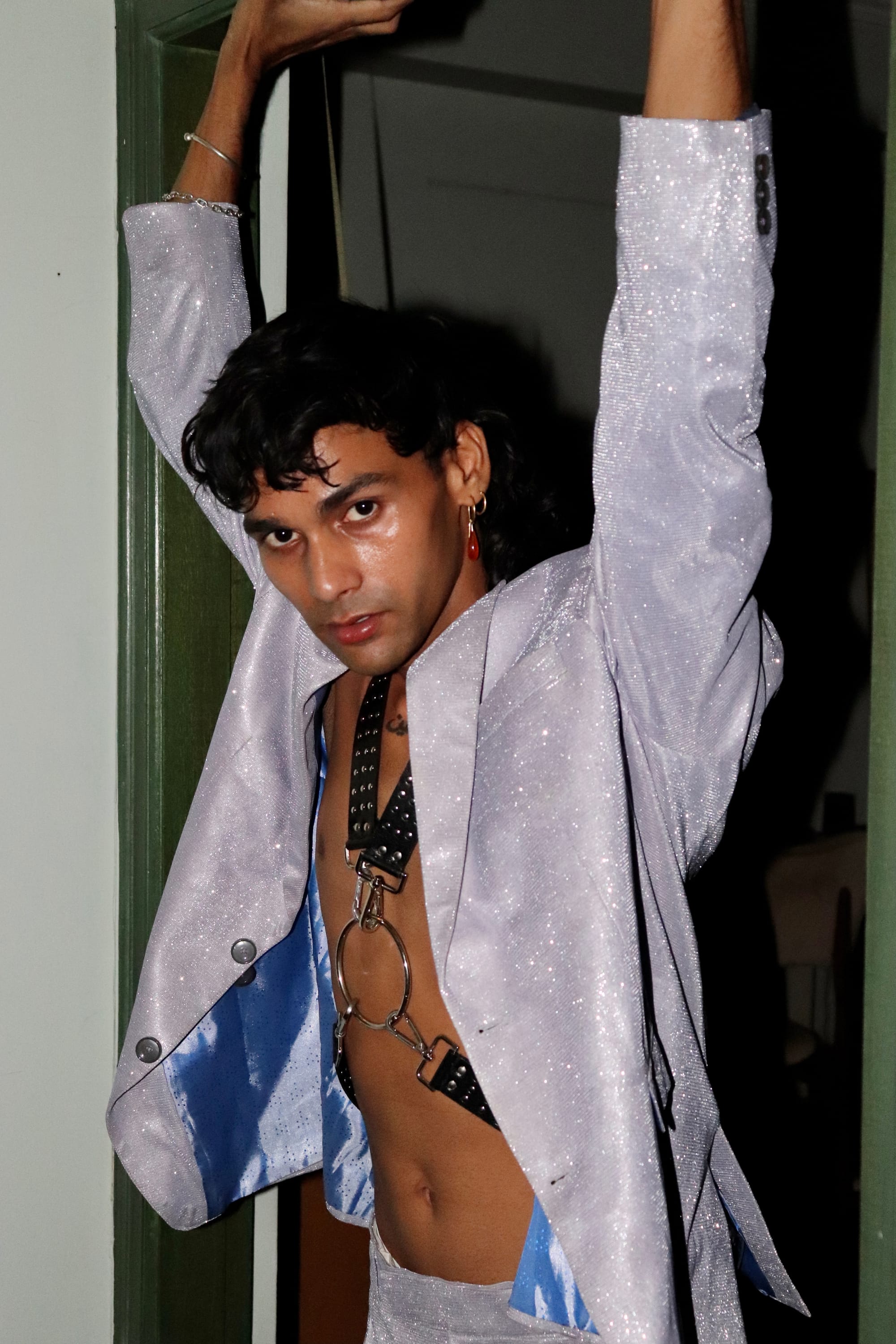
What turns him on creatively as a designer? “The chase,” he answers. “Building a collection, choosing models, shaping the visuals, surviving shoot day chaos, and then seeing the final images — that feeling is better than sleep, food, and most bad dates.”
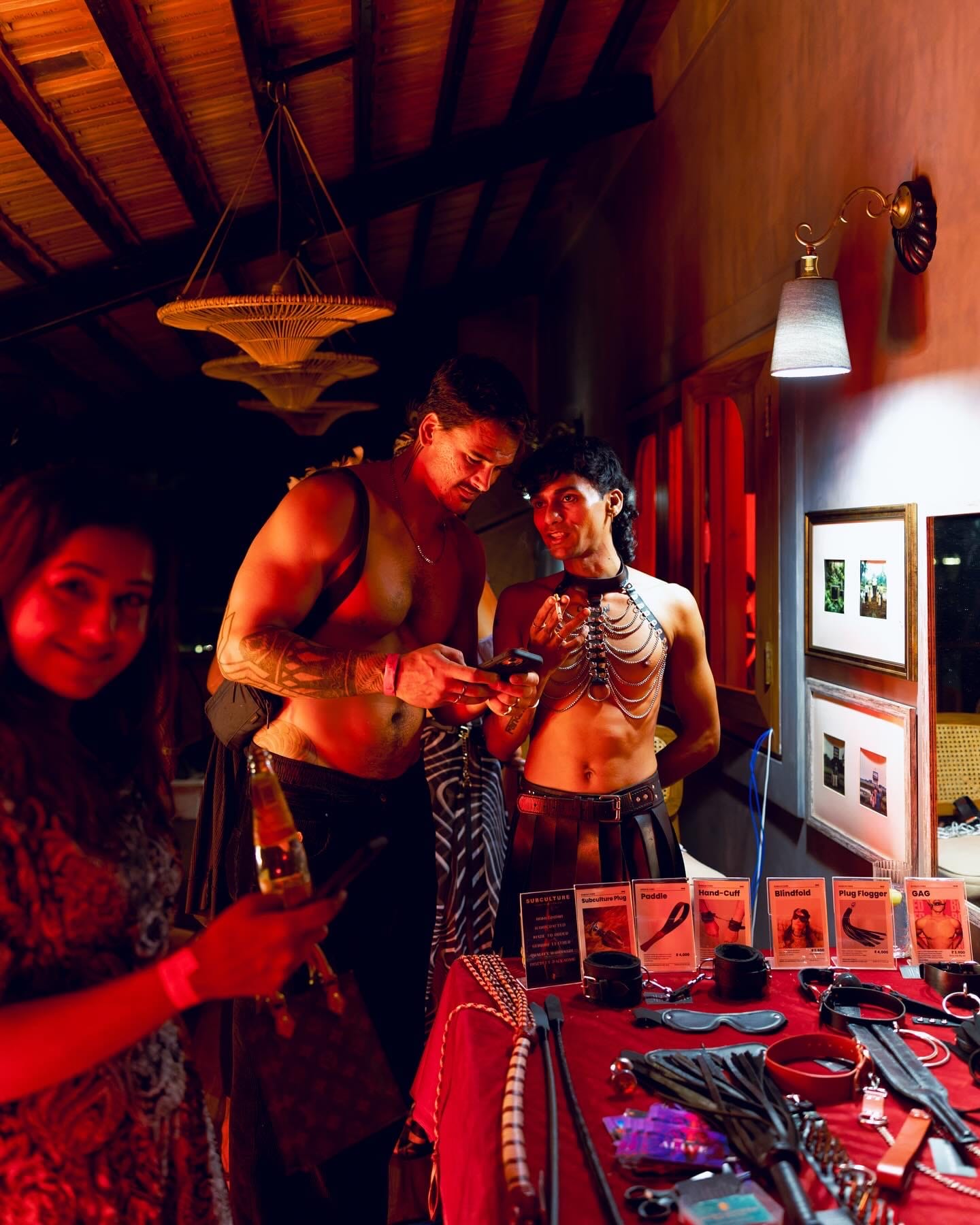
Red and black have always been his signature. “Red has always followed Subculture. It can be desire, danger, devotion, rage, or theatre depending on how you use it. I like when beauty has a little threat in it.”
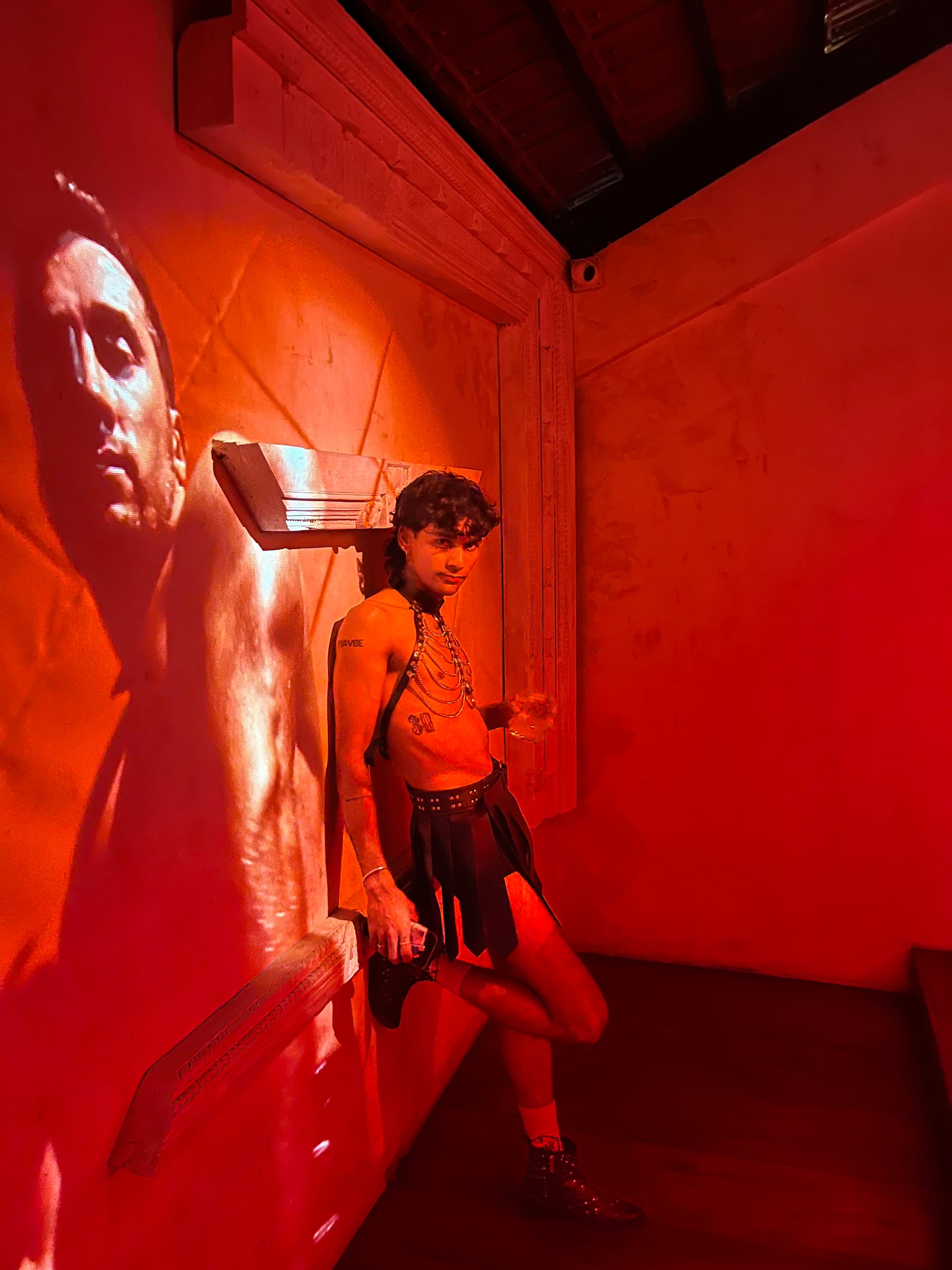
For Randhir, the sexiest thing about well-made fetishwear is precision. “A clean edge, perfect curve, premium hardware, strong stitching — the discipline of craft. When a piece looks simple but you can feel how much work went into it, that’s sexy.”
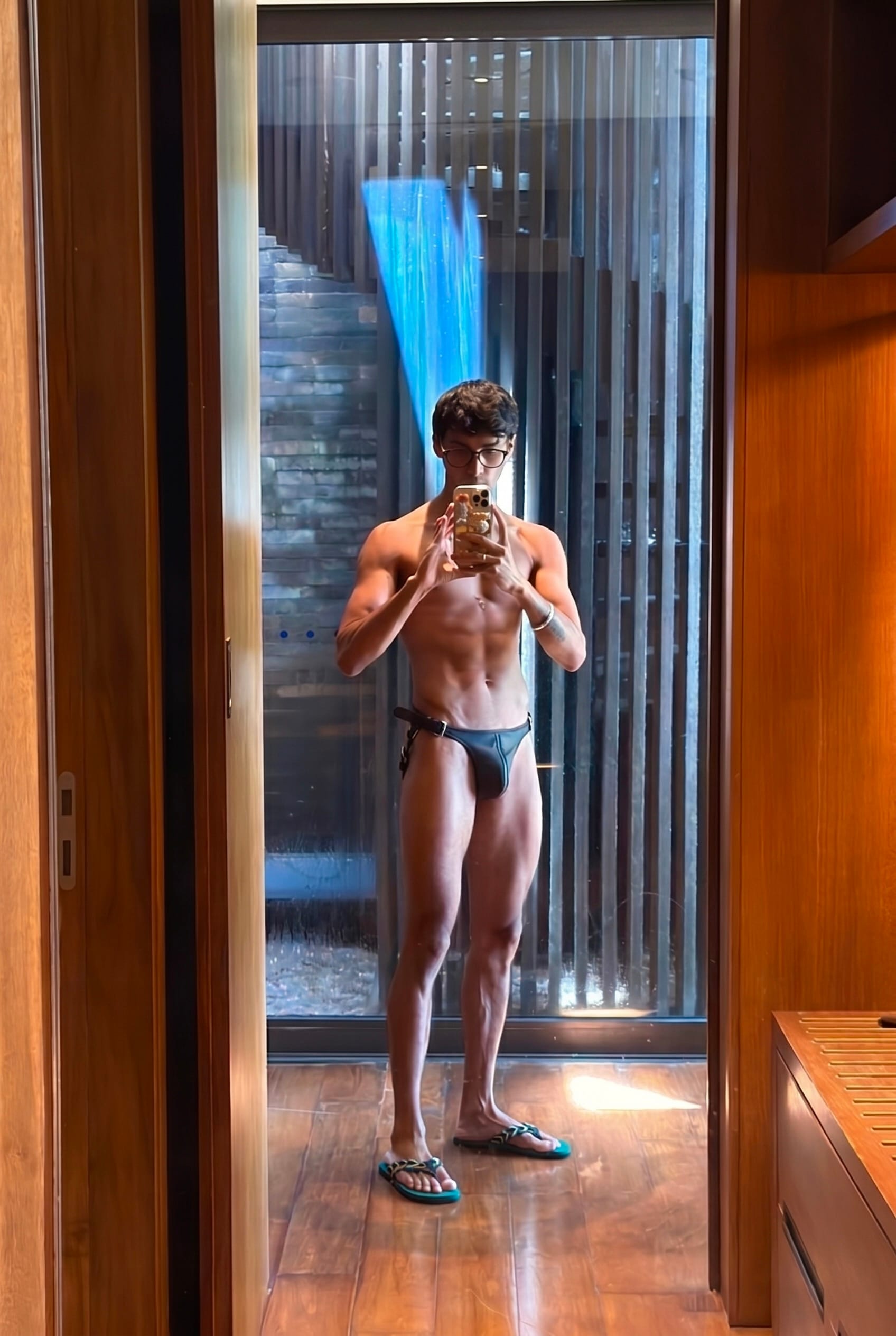
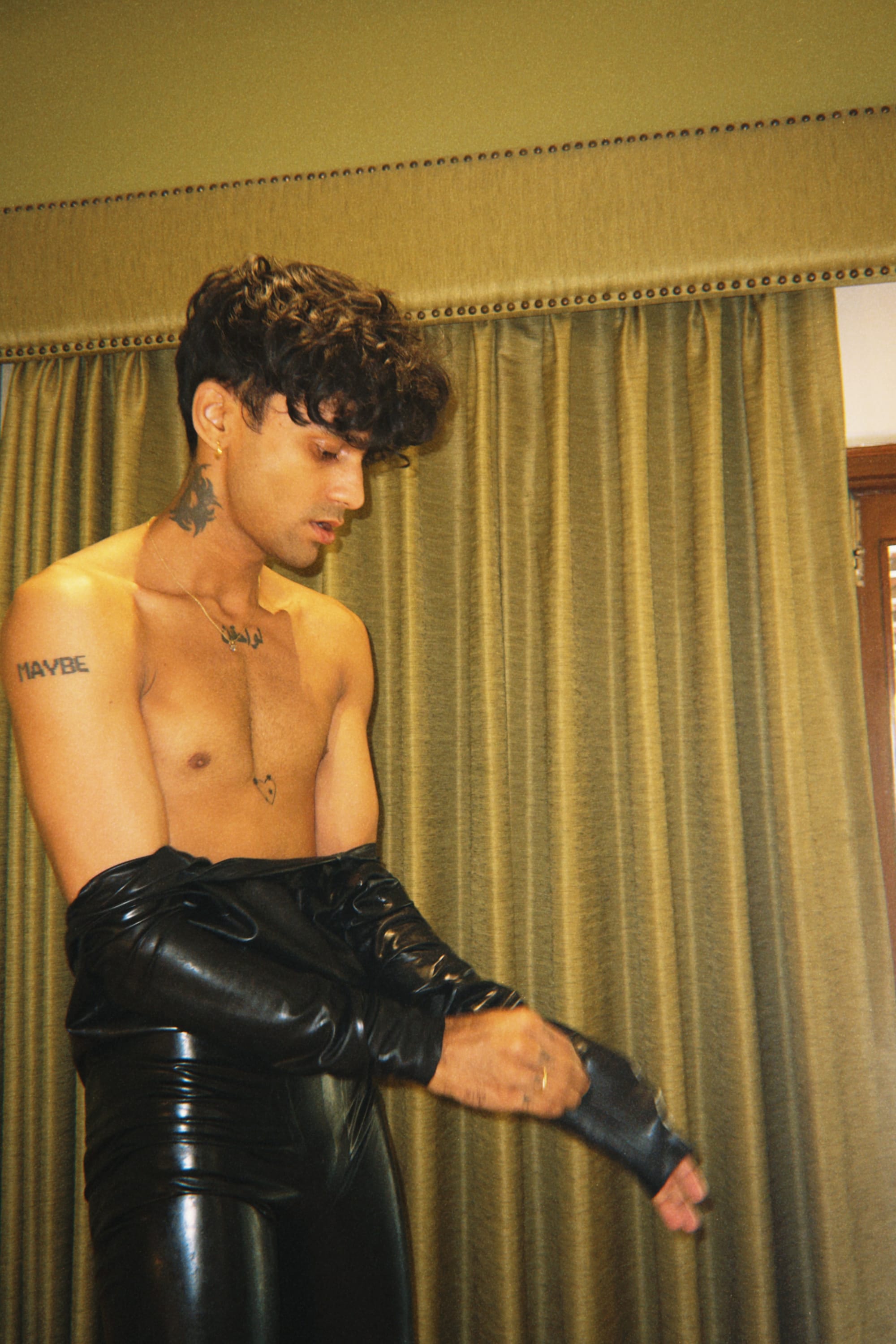
Sensuality is at the core of Subculture’s identity. “Sensuality is not just skin. It’s texture, smell, weight, restraint, tension, and timing. The sound of latex, the pull of leather against the chest — the pieces are sexual, but they are also emotional.”
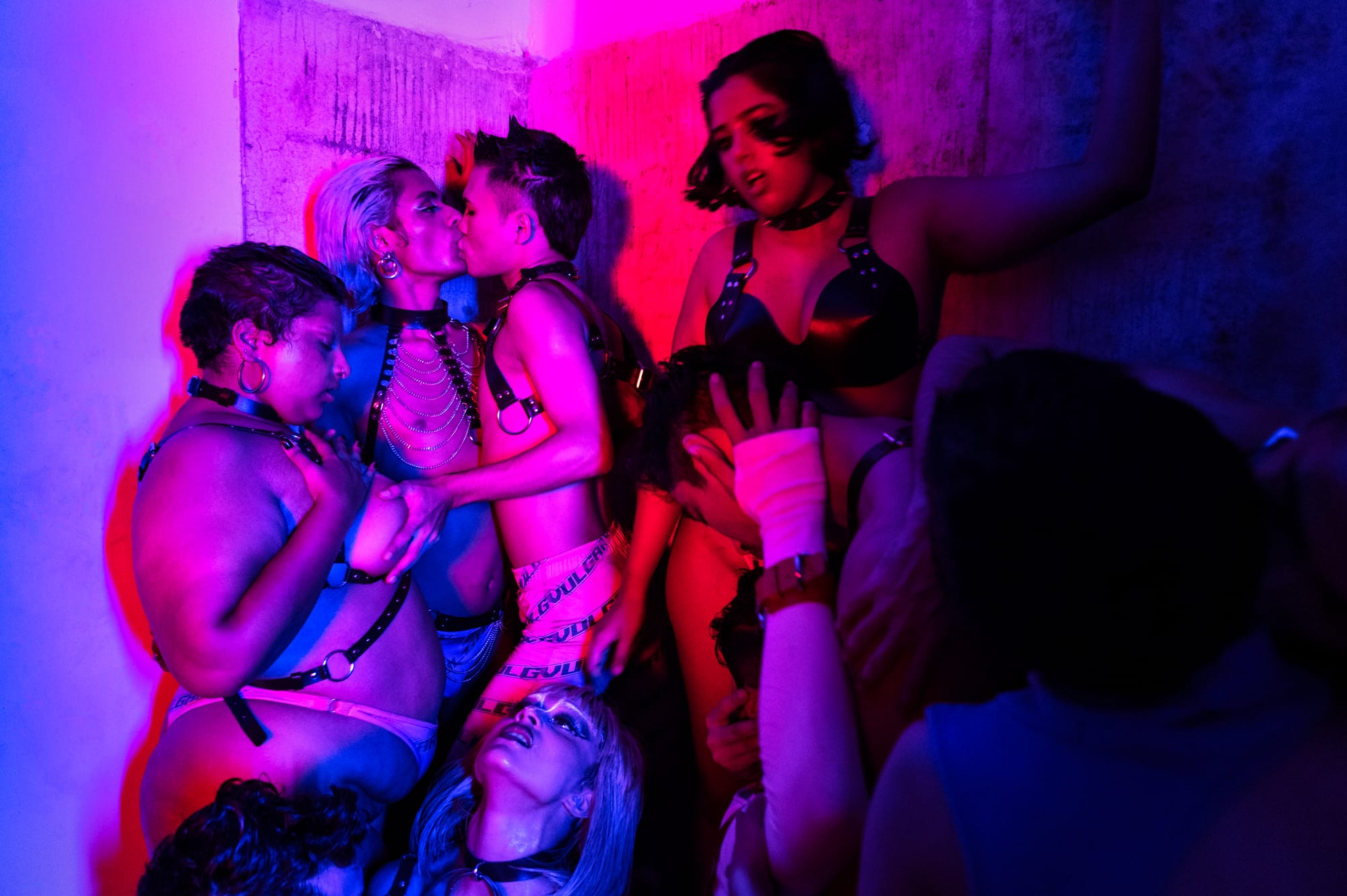
His big vision for the brand? “I want someone to wear a harness under a suit to dinner and feel like they’re carrying a secret. I want a queer kid in India to see our campaign and realize desire can look like them too.”
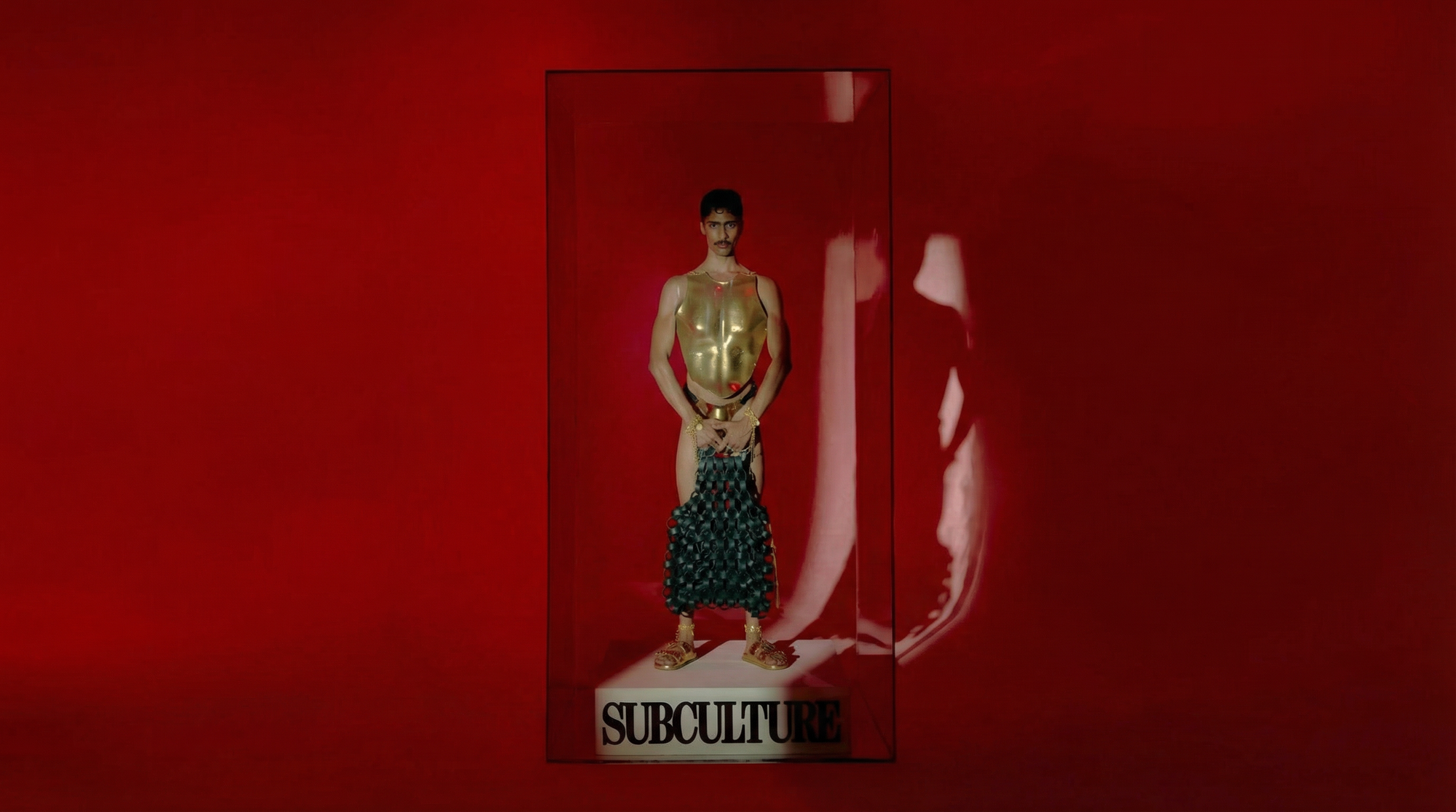
When it comes to wearing his own designs versus seeing them on others, it depends on the material. “For leather, I enjoy wearing it because it makes me feel powerful. For latex, I’m very drawn to seeing it on another body. But personally, I’m very drawn to a man in beautiful underwear — the fit, the bulge, the way fabric sits on skin.”
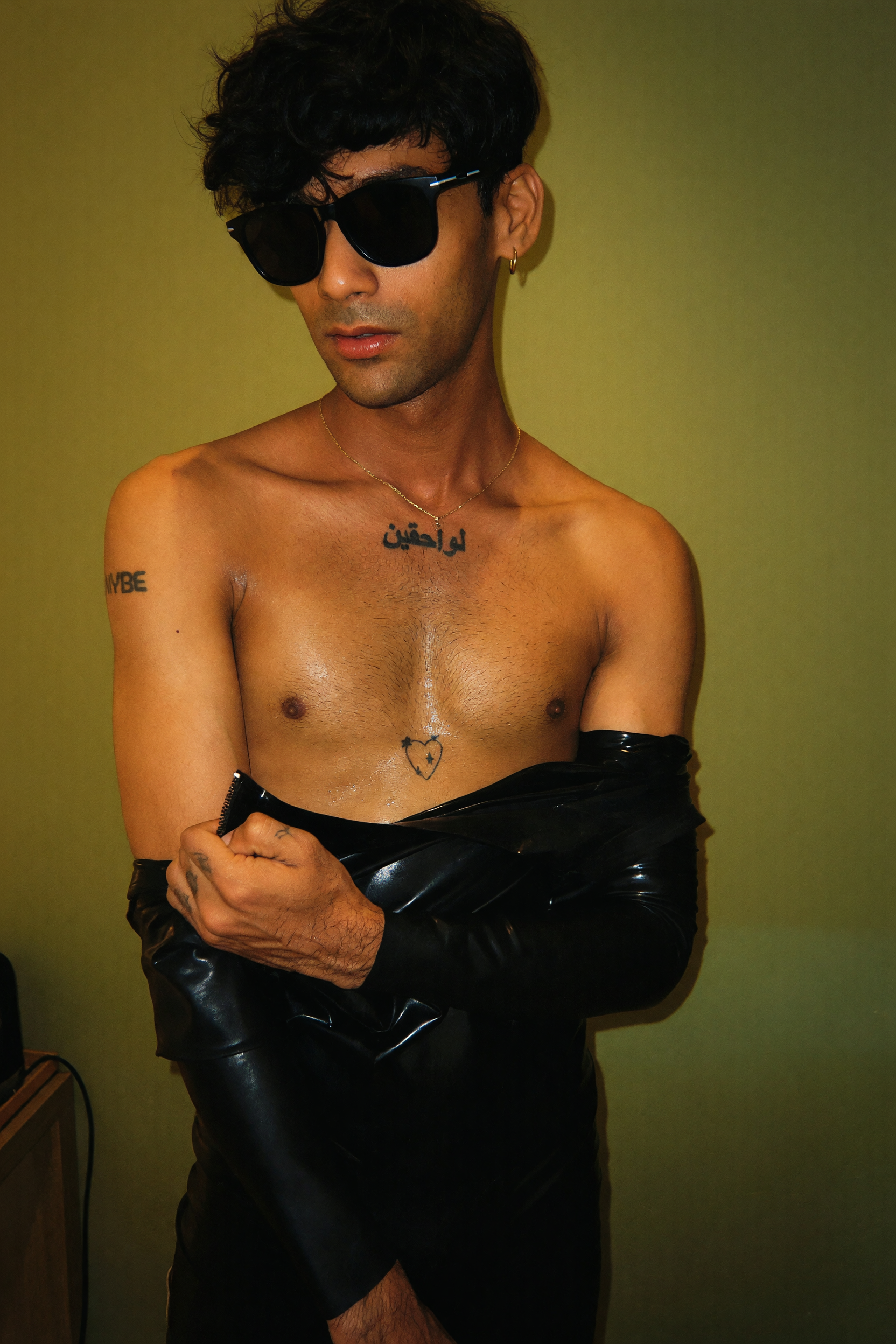
When asked about his ultimate fantasy person to see in Subculture, Randhir doesn’t hesitate. “For the last couple of years, I have had a very specific weakness for Gael Kriok, the Brazilian porn actor,” he confesses. “There is something about his masculinity, the body, the tan skin, the hair, the heat of it all. I would love to see him in a Subculture harness or latex piece.” That answer, he admits, is less strategy and more pure confession.
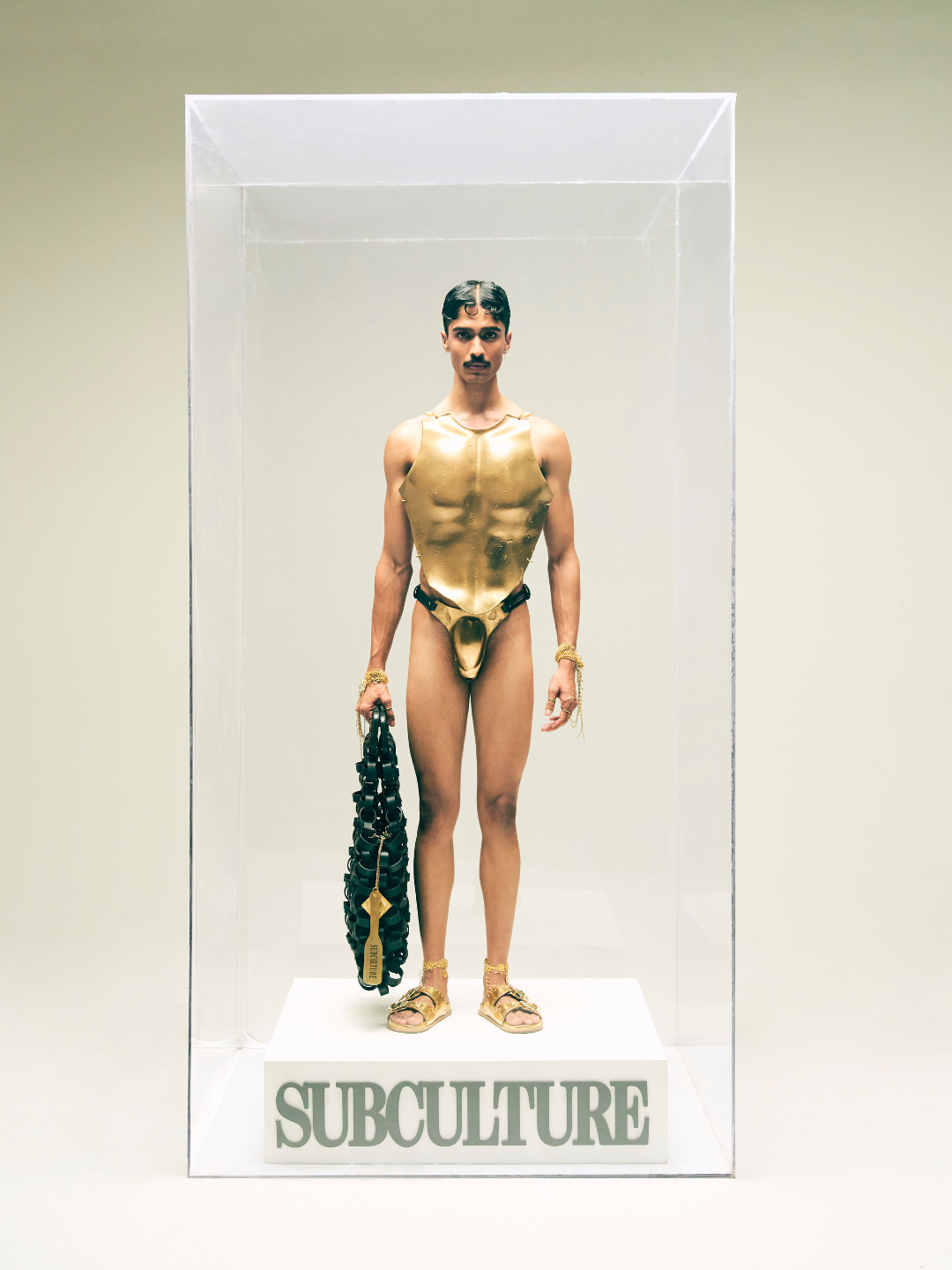
He’s not particularly starstruck by big Indian celebrities. “I am more interested in people who are doing something genuinely interesting with their lives — people with taste, courage, and real presence.” While it would be commercially exciting to see a major star wearing Subculture, he’d rather see it on someone who truly understands and feels the brand.
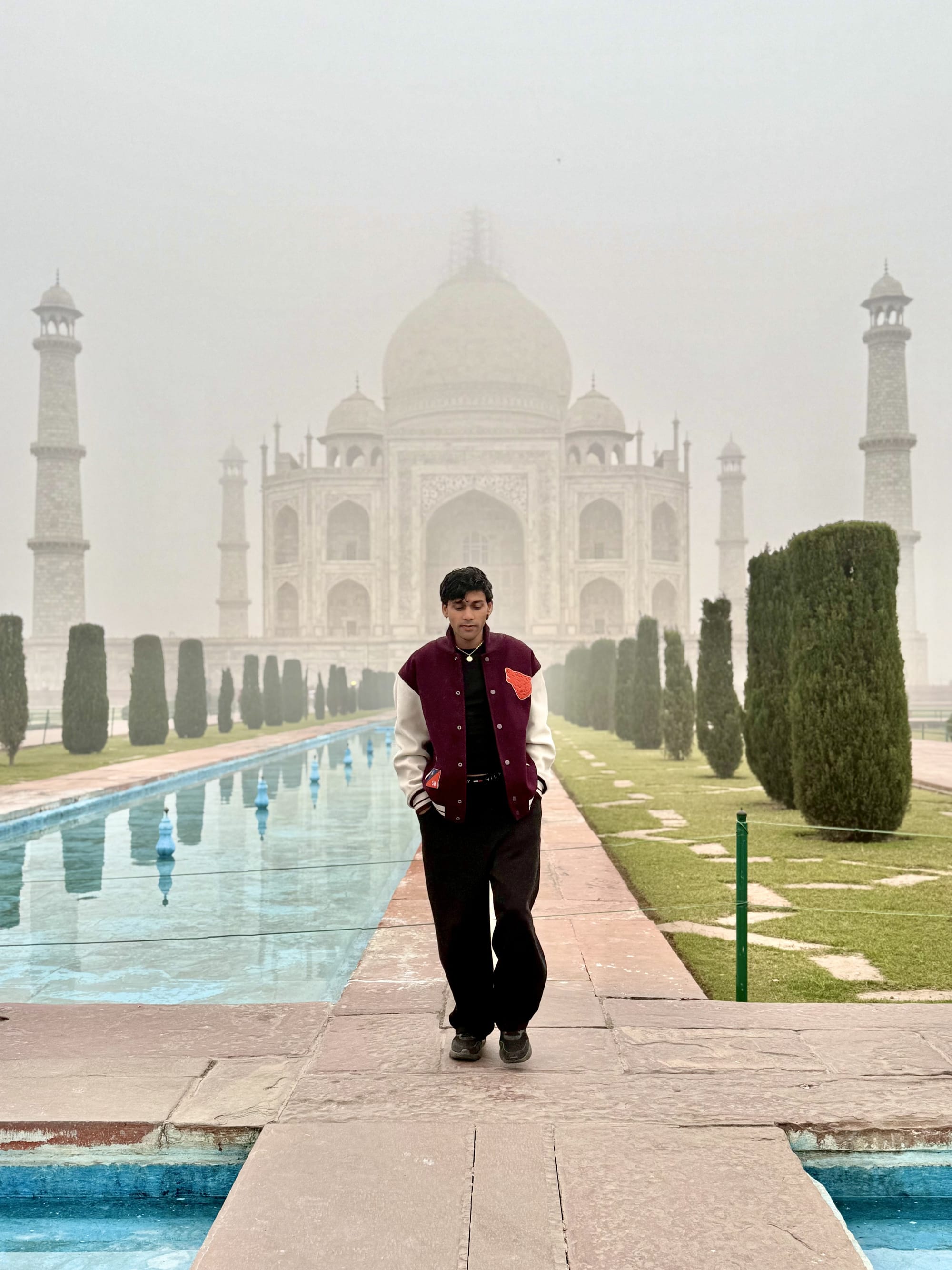
Putting Indian fetishwear on the global map means a lot to him. “For a long time Indian sexuality has either been exoticised, hidden, moralised, or turned into a joke,” he says. “Subculture is not a copy of Western fetish brands. It comes from India, from my life, my contradictions, my craft, and my ambition. We are no longer just consuming that world — we are contributing to it.”
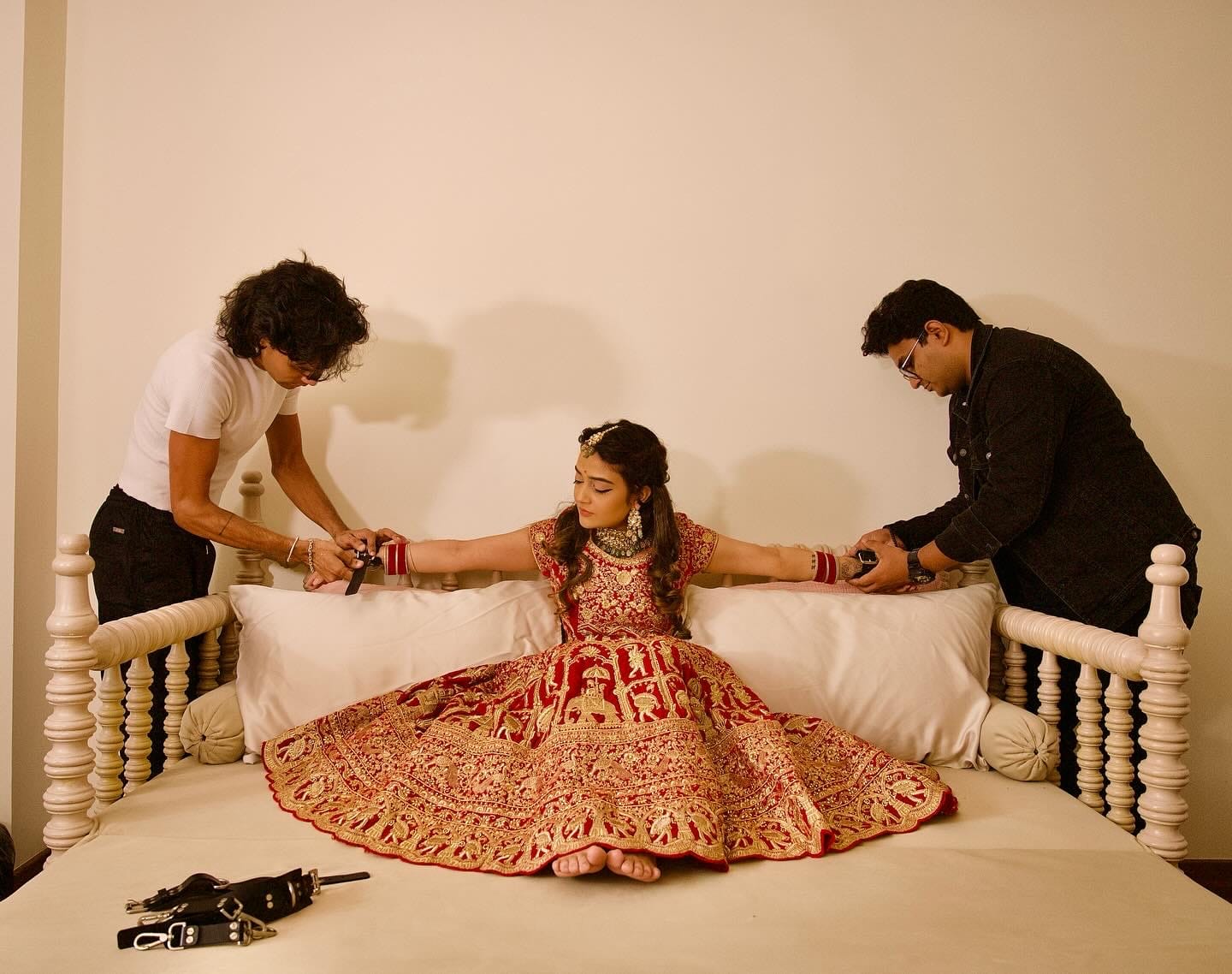
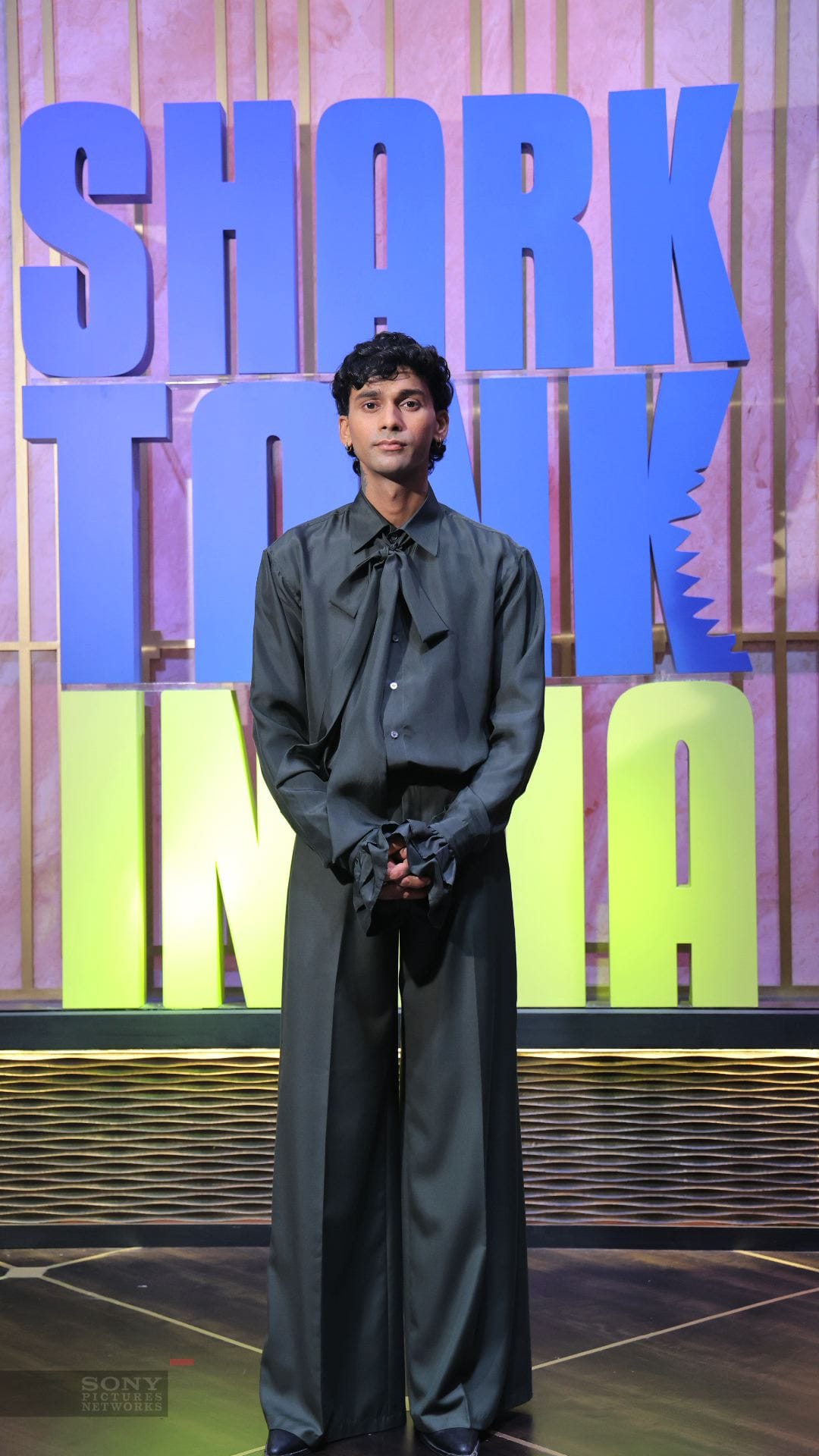
Appearing on Shark Tank was a surreal experience. “I went there knowing exactly why I was doing it. More than money, I wanted legitimacy.” He was nervous but prepared. The proudest moment was standing there and declaring that Subculture exists, it sells, and it matters. After the episode aired, the response was overwhelming. “It felt like a door had opened, not just for the brand, but for the conversation around kink and fetish in India.”
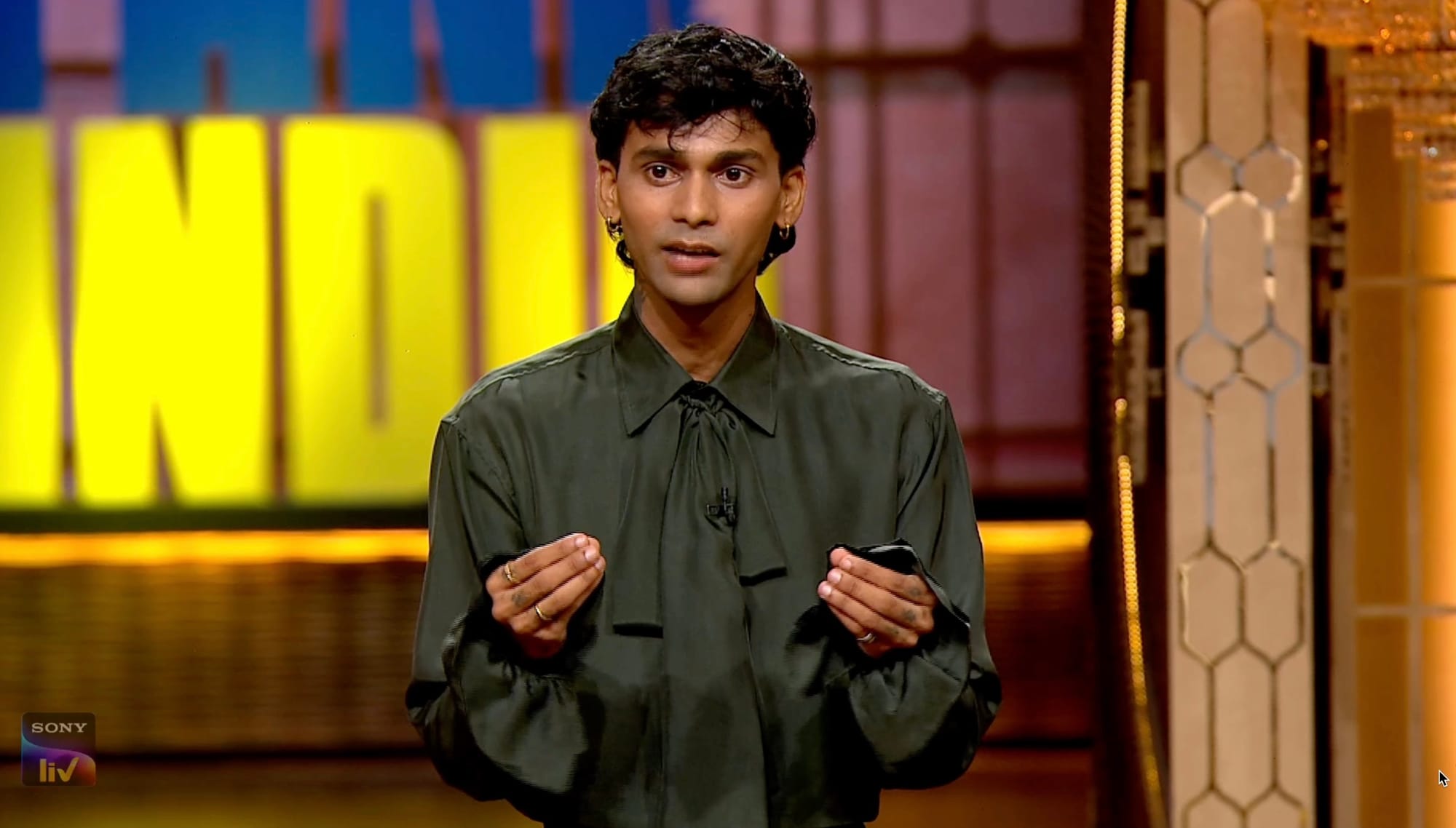
The show definitely changed how people in his personal life saw him. “People take television very seriously in India. Suddenly everyone thinks you have become real.” Some relatives understood the brand better, old doubters started reaching out, and professionally it opened many doors.
One of the wildest reactions he’s received came at a Delhi pop-up. A man picked up a cock ring, looked at it with complete innocence and asked, “Is this a hand band? Like, to wear on your wrist?” Randhir smiled and replied, “Yes, technically you could wear it on your wrist, but its main function is to be worn around your cock.” The man’s face went pale instantly — a perfect Subculture moment.
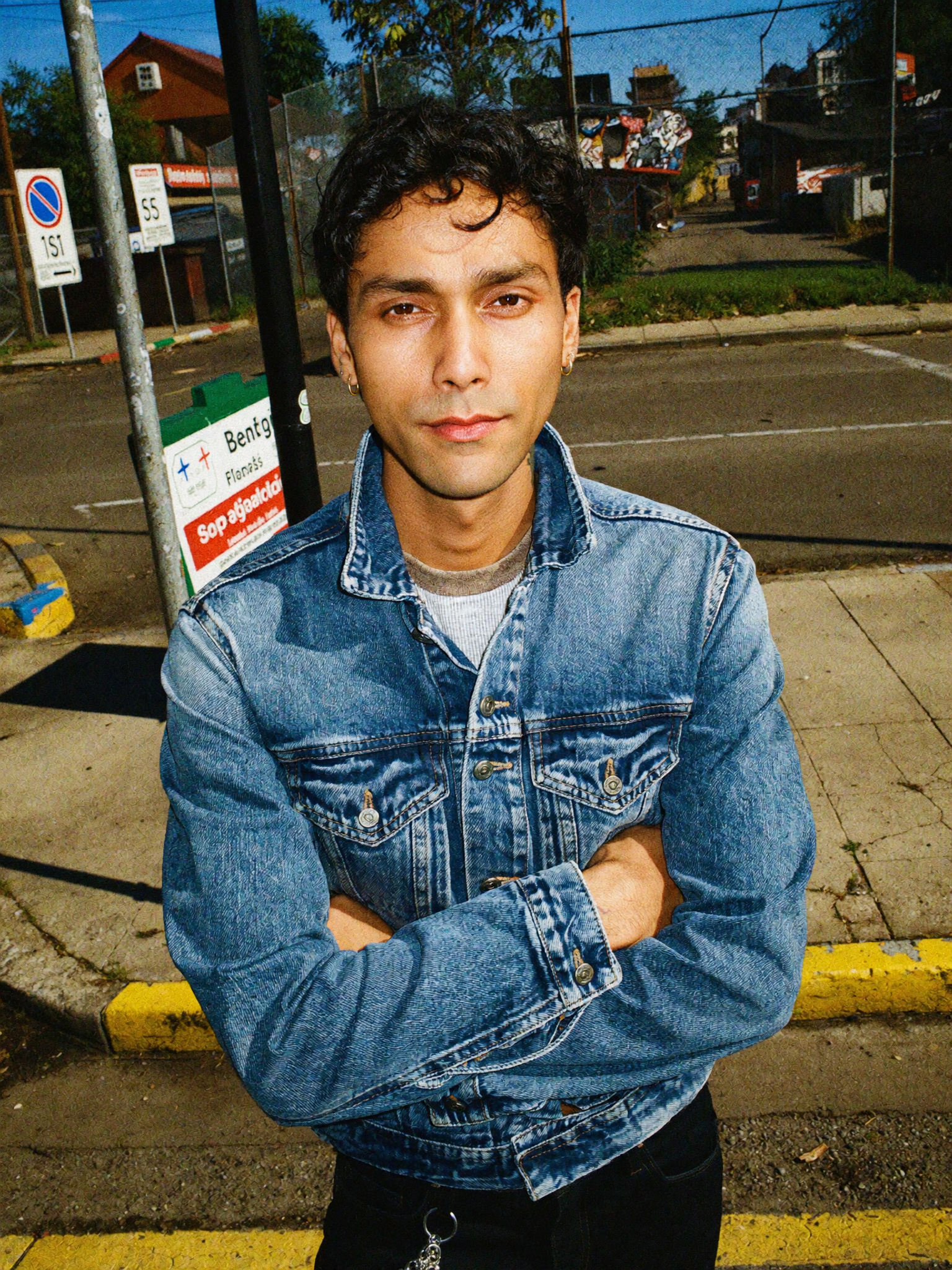
He believes fetishes are still heavily taboo in India. “India is full of desire, but we are trained to perform innocence.” This hypocrisy can be exhausting, but it also gives his work purpose. “The fight is part of the work.”
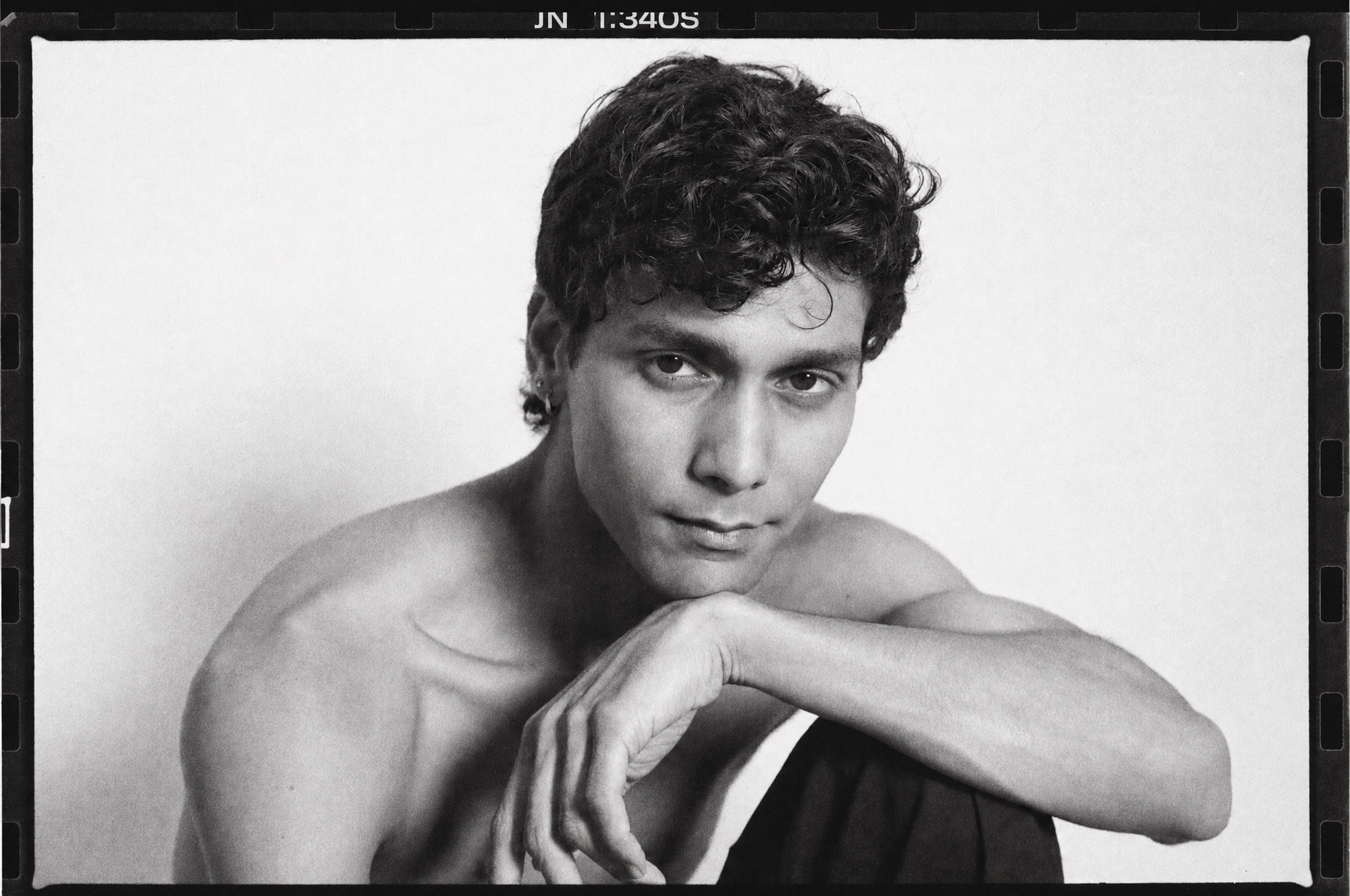
He has faced judgment and backlash. “Sometimes it’s direct, sometimes disguised as concern. People judge the brand, my sexuality, my body, my choices.” But he’s learned most of it comes from other people’s discomfort with freedom.
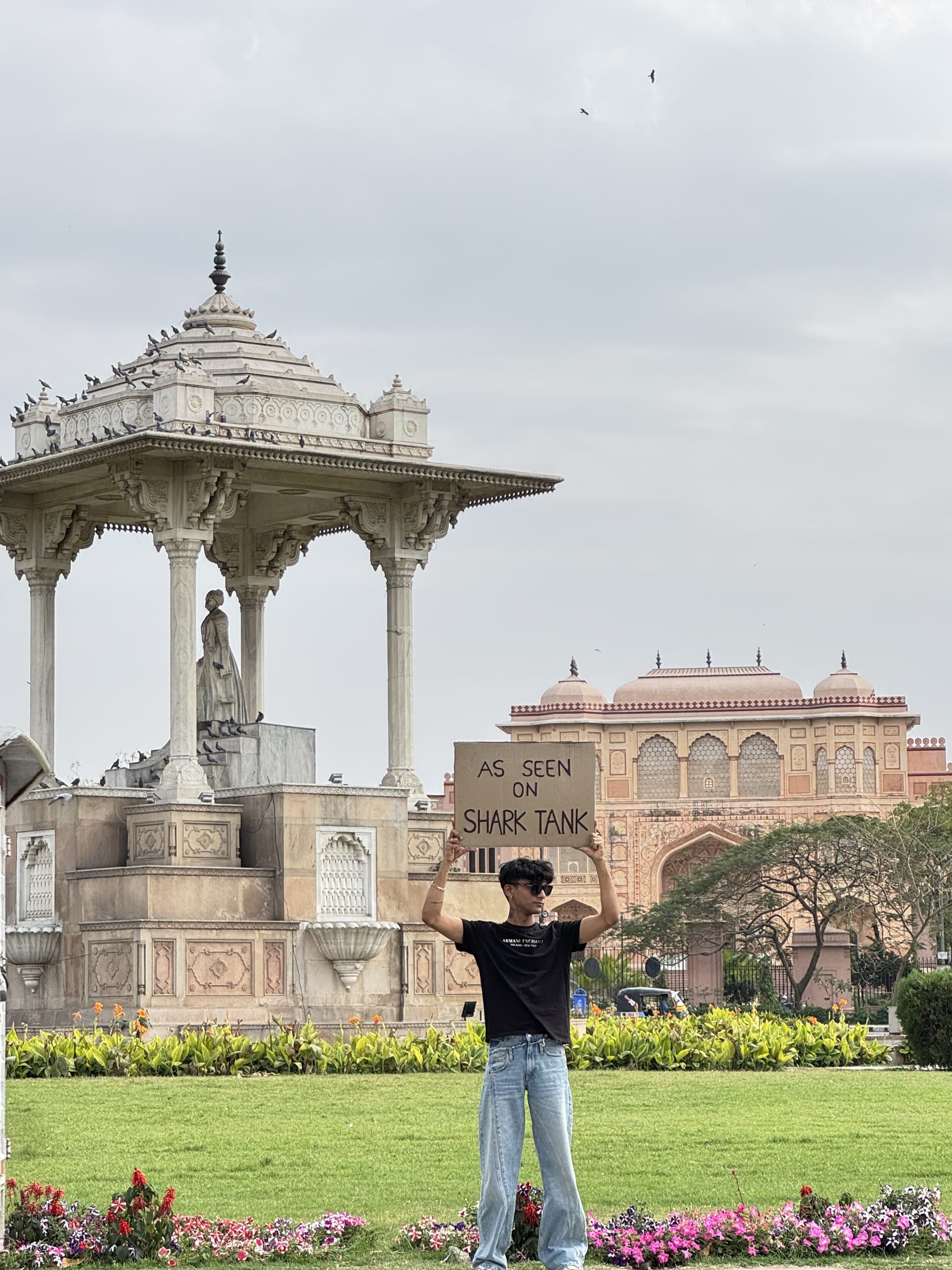
What frustrates him most about Indian queer and kink culture? “The secrecy is understandable, but the shame frustrates me. We carry shame even in spaces where we could be more honest.” He also dislikes when people consume kink but refuse to respect the consent, craft, and responsibility behind it.
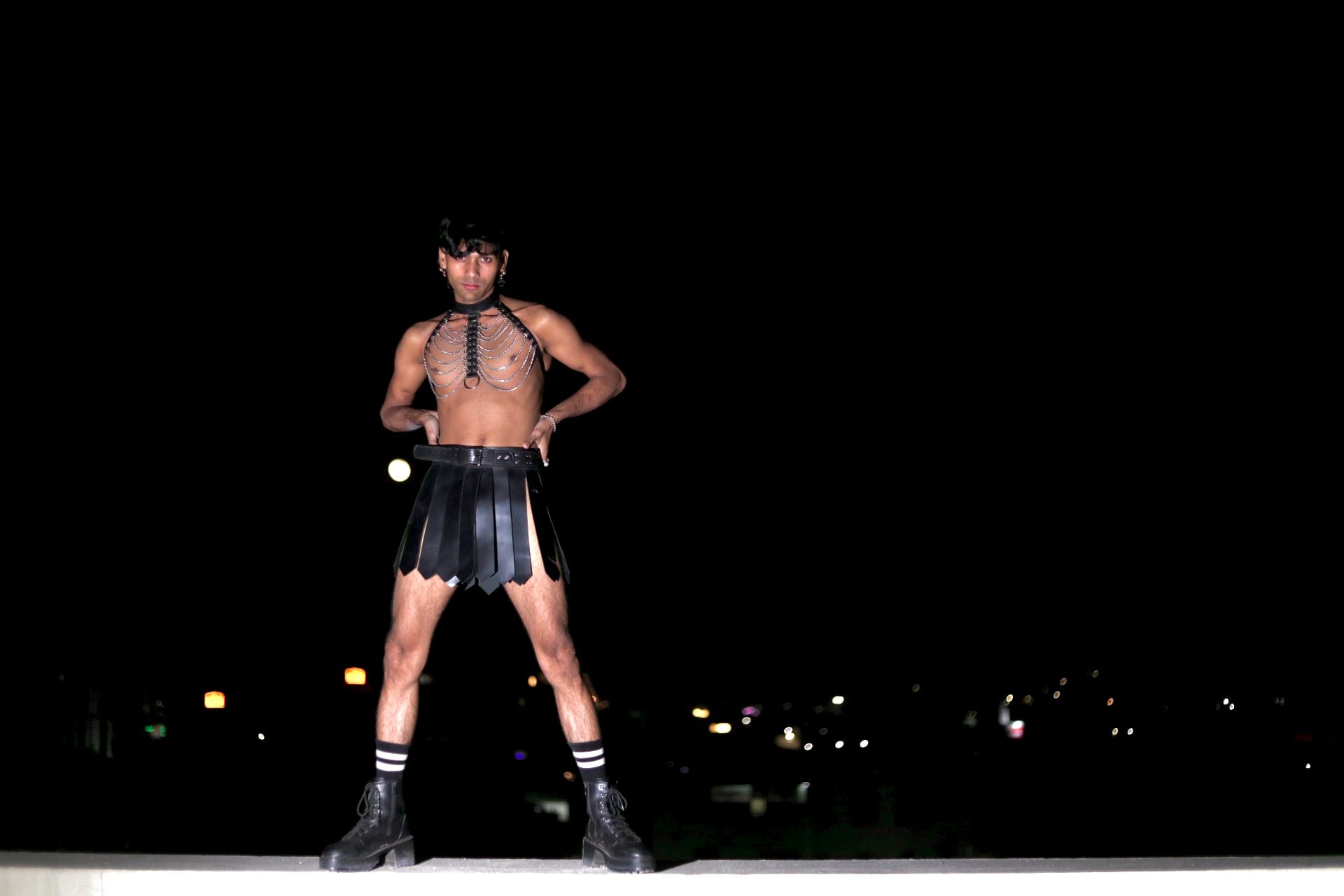
What gives him hope? “The younger generation. They are curious, more informed, and more willing to ask questions.” He sees more people from smaller cities discovering the brand and slowly allowing themselves to want more. “Desire is finding language.”
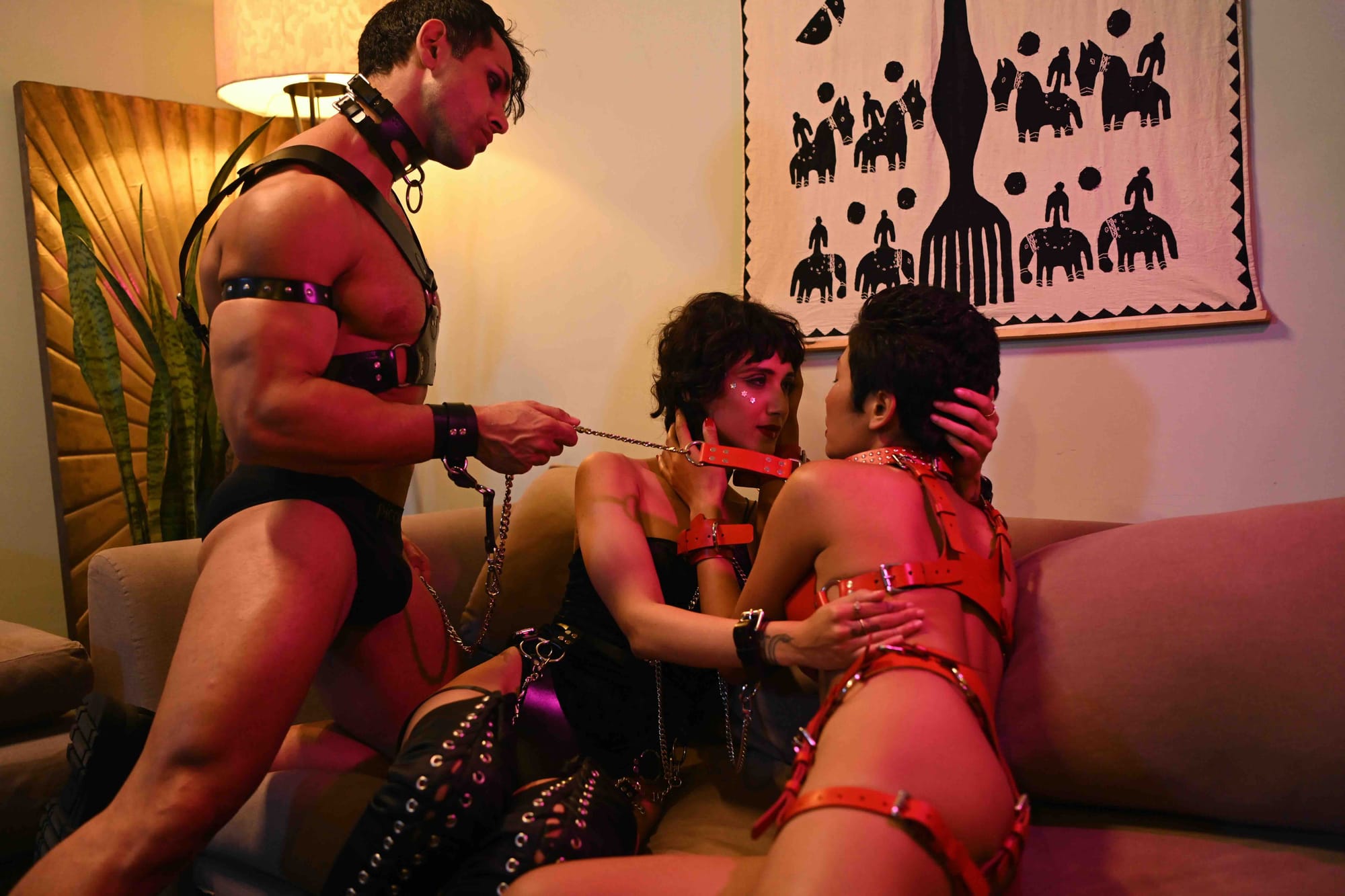
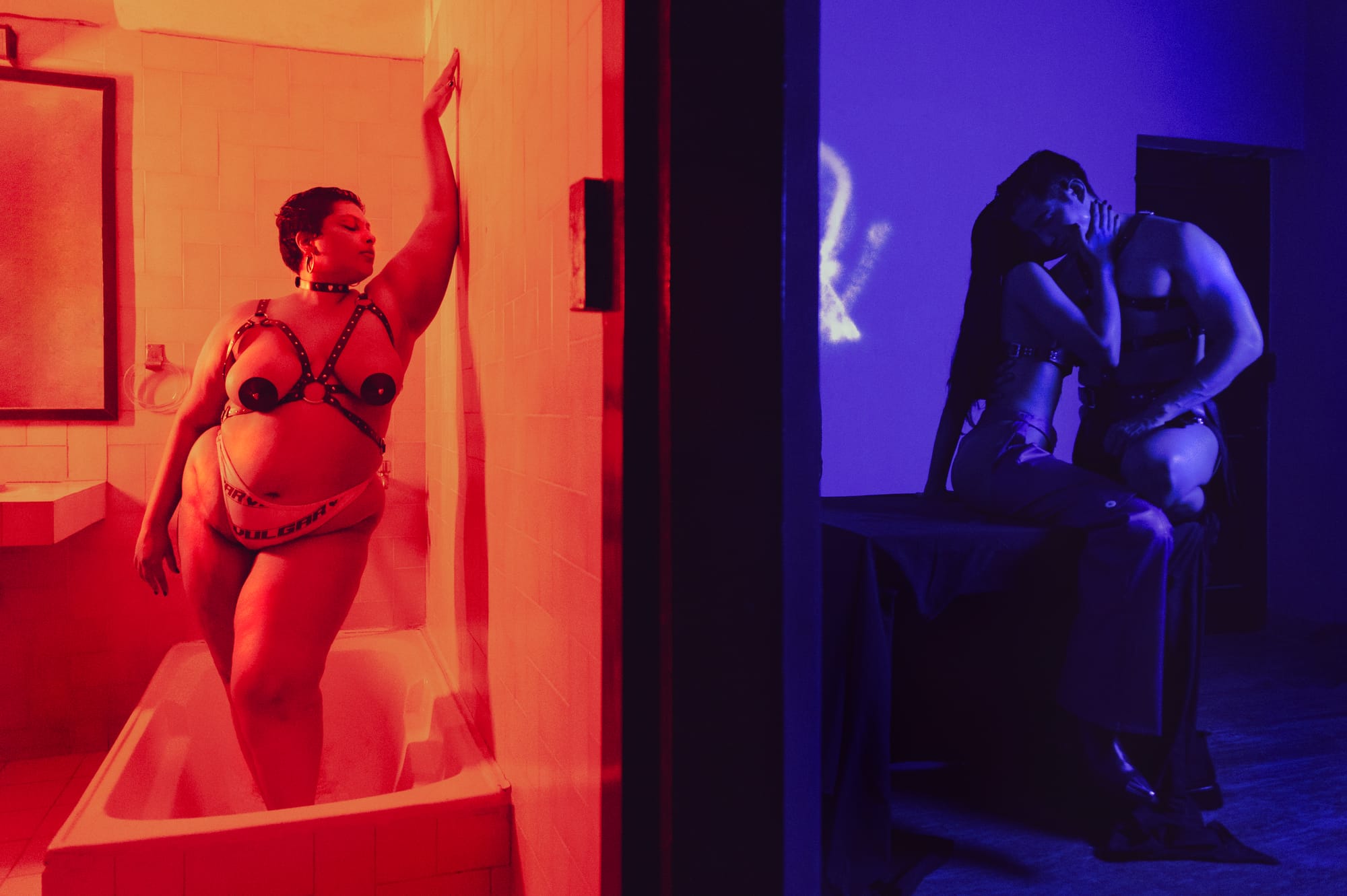
Randhir’s ideal Subculture photoshoot is cinematic and charged with tension. “I like heat, but I do not like desperation,” he says. “I want sweat, skin, latex, leather, metal, shadows, and a little bit of danger in the eyes. It should feel like something might happen — not like everything already has.”
When casting models, he looks for more than just a beautiful body. “Confidence, curiosity, and the ability to listen,” he explains. “Subculture pieces demand presence. They are not passive garments. They ask something from the person wearing them. You cannot hide behind leather or latex — it almost tells the truth before you do.”
Most male models he works with are surprisingly open once they feel safe on set. “I’ve seen very traditionally masculine guys become playful once they wear the pieces,” he shares. One of his favorite memories is from the very first campaign, when a female model — initially hesitant — put on a bralette, suspender, thong, cuffs, and bodynet and said, “Randhir, I feel so powerful. I have never felt like this in my entire life.”
His favorite place to see leather on a man? “The chest and the waist. A good harness changes the whole architecture of the body. Leather around the hips frames it like punctuation.”
Some of his best designs, like the Randy jockstrap, were born from pure desire. “Desire absolutely enters the work,” he admits. “When I design for men, you can feel the admiration in the way the leather frames the chest, the waist, the thighs. It’s technical, but also very instinctive.”
The sexiest messages he receives aren’t always the most explicit. “Sometimes it’s someone saying, ‘I wore this under my clothes all evening and nobody knew, but I felt completely different.’ That is sexy to me.”
He sees Subculture’s future as a global Indian house of fetish. “In five years, I want us to have a stronger international presence, more categories, and a serious space in the global conversation around fetish and fashion.”
Dream collaborations? “Mugler or Jean Paul Gaultier would make sense internationally. In India, I want something that brings craft and taboo together intelligently.”

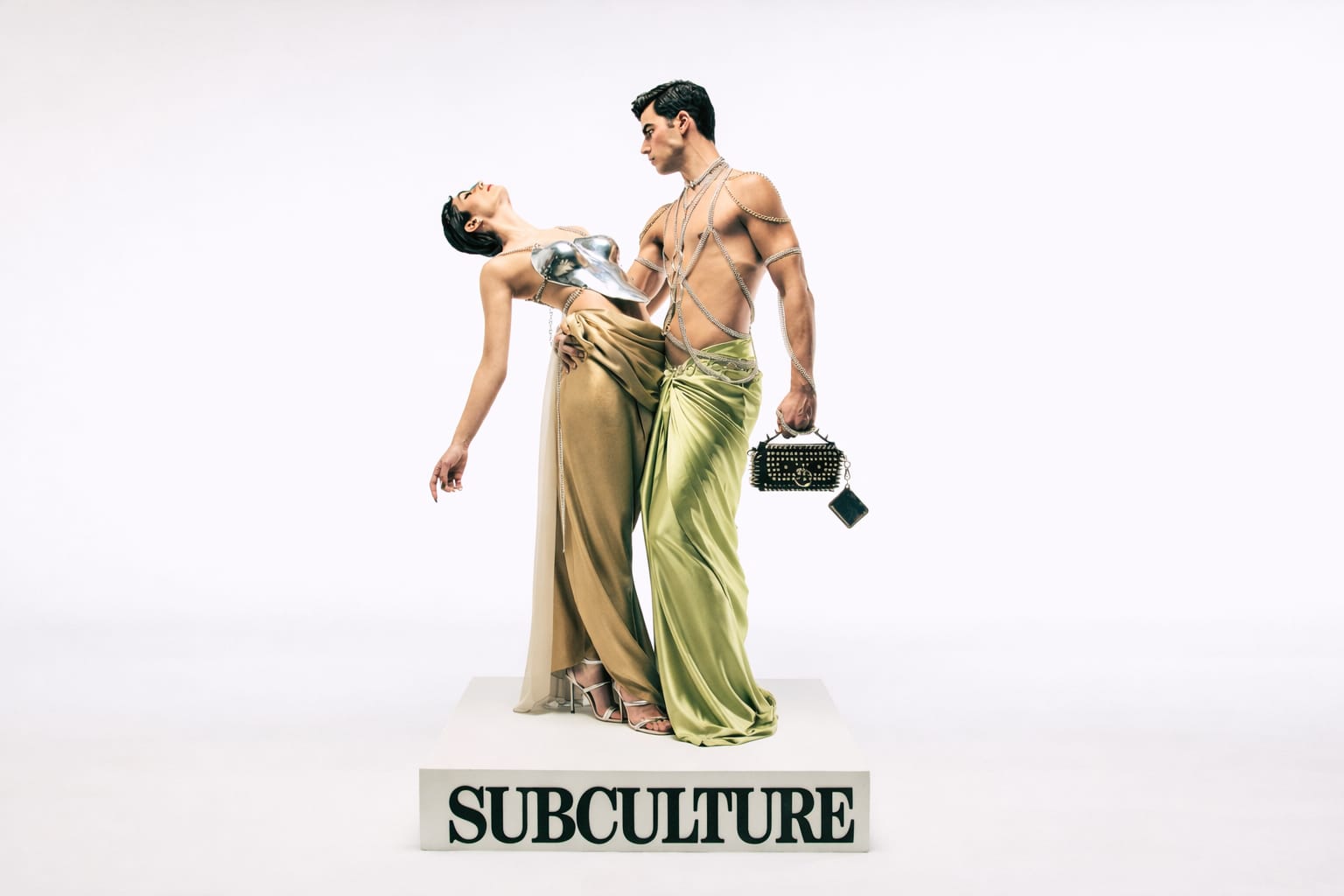
One product he’s excited to expand is underwear. “I want Subculture underwear to become its own strong category — sensual, body-aware pieces that still carry the brand’s edge.”
At the core of everything, sexual expression remains deeply important to his identity. “It’s not about constantly announcing what I like. It’s about not living in fear of my own desire. For me, sexual expression is connected to freedom — and freedom has always been central to who I am.”
Yes, Randhir feels the pressure of being one of the few openly visible Indian voices in leather and fetishwear. “Yes, but pressure is not always a bad thing. Sometimes it gives you posture,” he says. “I know I am doing something very few people in India have done publicly, and that comes with scrutiny. I would rather carry the pressure of being visible than the regret of staying invisible.”
On tough days, he returns to his roots. “I remember the boy who wanted to survive, leave, build, and give something back to his family,” he shares. “I did not come this far to become ordinary out of fear.” Small things also keep him going — a kind message from a customer, a campaign coming together, or an intern bringing flowers with a note to keep smiling.
His guilty pleasure? “Doing absolutely nothing and then feeling guilty about it,” he laughs. “I am so used to working that rest feels almost illegal.” He also loves good food, random scrolling, and binge-watching shows he swears he’ll only watch one episode of.
Music is essential to his process. “If I’m designing or thinking visually, I like something sensual, cinematic, or slightly dark,” he says. For business tasks, he needs energetic tracks to stay motivated. Late nights often mean Nusrat Fateh Ali Khan. “That man makes me want to live life.”
He does have songs for *that* kind of mood. “Justify My Love by Madonna, I Feel Love by Donna Summer, and Earned It by The Weeknd. Different energies, same room after midnight.”
Bali holds a special place in his heart — it’s where he decided to start Subculture. But when it comes to feeling truly free, he’s still searching. “Berlin has been on my mind for a long time. For the industry I’m in, I almost feel like I need to experience it for myself.”
At this stage in his life, he craves a wild, hedonistic vacation. “I have done calm. I have done romantic. At this point, I want wild and hedonistic.”
His biggest comfort food? “Indian food. I can enjoy a lot of cuisines, but eventually I need spice, comfort, and something that tastes like home. My stomach is still very Indian and very emotional about it.”
His biggest non-fashion weakness? “I overthink, and then I pretend I am not overthinking,” he admits. “I also take things very personally because the brand is personal. I am learning to separate urgency from emotion, but the lesson is ongoing.”
Inherently, Randhir is a night owl, but his dog has turned him into a morning person by necessity. “No matter how late the night gets, I still have to wake up, take my dog out, and be responsible. So yes, my soul belongs to the night, but my dog owns my mornings.”
After a stressful day, he craves quiet. “I need silence first,” he says. “I spend so much of my day making decisions and holding the brand together. After that, the most luxurious thing is not a party — it’s silence. Taking my dog out, eating something comforting, lying down, and slowly becoming human again.”
There wasn’t one single book or film that changed how he sees sexuality. “It was more a collection of visuals over time — Madonna, Grace Jones, queer cinema, fashion imagery, porn, editorials. I learnt that sexuality could be styled, performed, protected, exaggerated, hidden, revealed, and still be true.”
He’s surprisingly good at one thing: not giving up. “Once I decide I want something, I become very difficult to distract. Subculture exists because I did not know when to stop.”
He still struggles with one insecurity. “I am still insecure about whether I am doing enough. Even when things are going well, I can feel behind. When you come from survival, success doesn’t always immediately feel safe.”
He does get starstruck sometimes. “I can meet someone I admire and appear calm on the outside while inside my brain is behaving like a badly managed group chat,” he laughs.
When someone puts on Subculture for the first time, he wants them to feel transformed. “I want them to feel like they have met a version of themselves they secretly suspected existed — stronger, hotter, freer, maybe a little dangerous, but still completely themselves.”
The ultimate compliment? “That Subculture made them feel less ashamed of wanting what they want. If someone says the brand made them feel seen, powerful, or less alone, that is the real win.”
If he could go back in time, he would tell his younger self: “Desire is not a crime scene. You do not have to investigate every part of yourself with guilt. You are allowed to want, to learn, to make mistakes, to have boundaries. Shame is often inherited, not discovered. Return it to sender.”
One myth about fetish people he wants to destroy: “That fetish people are damaged, dangerous, or somehow less capable of love. Most kink people I know are simply more honest about the theatre of desire. Kink is not the opposite of tenderness — sometimes it requires more communication, more consent, and more emotional intelligence than what people call normal.”
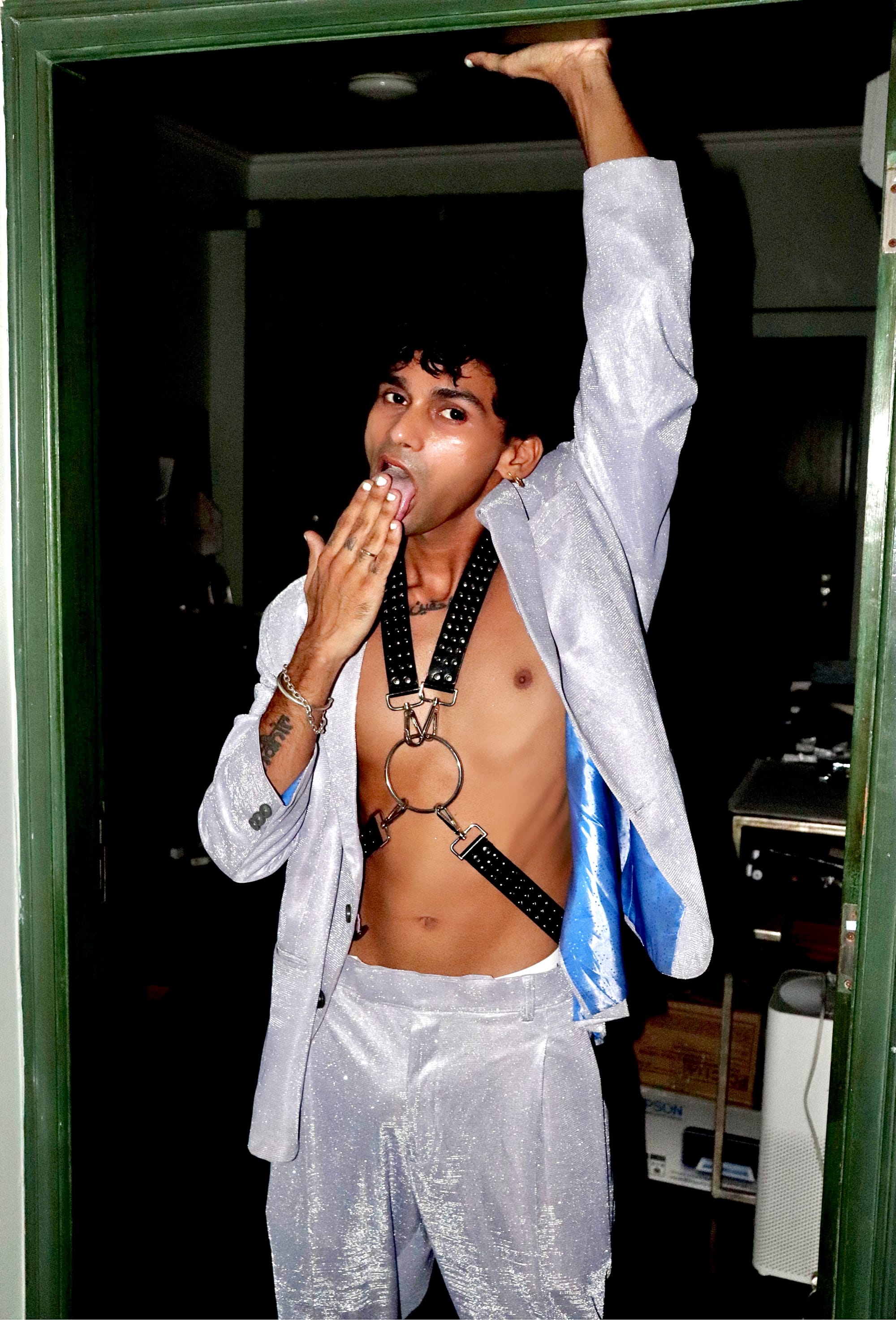
Social media has changed how Randhir expresses his sexuality. “It has made me more visible, but also more edited,” he says. “It gives me a platform to play, provoke, market, and express myself, but every image becomes public property for opinion. So I have learned to use sexuality with intention — sometimes it’s real, sometimes performance, sometimes strategy, and sometimes all three wearing the same harness.”
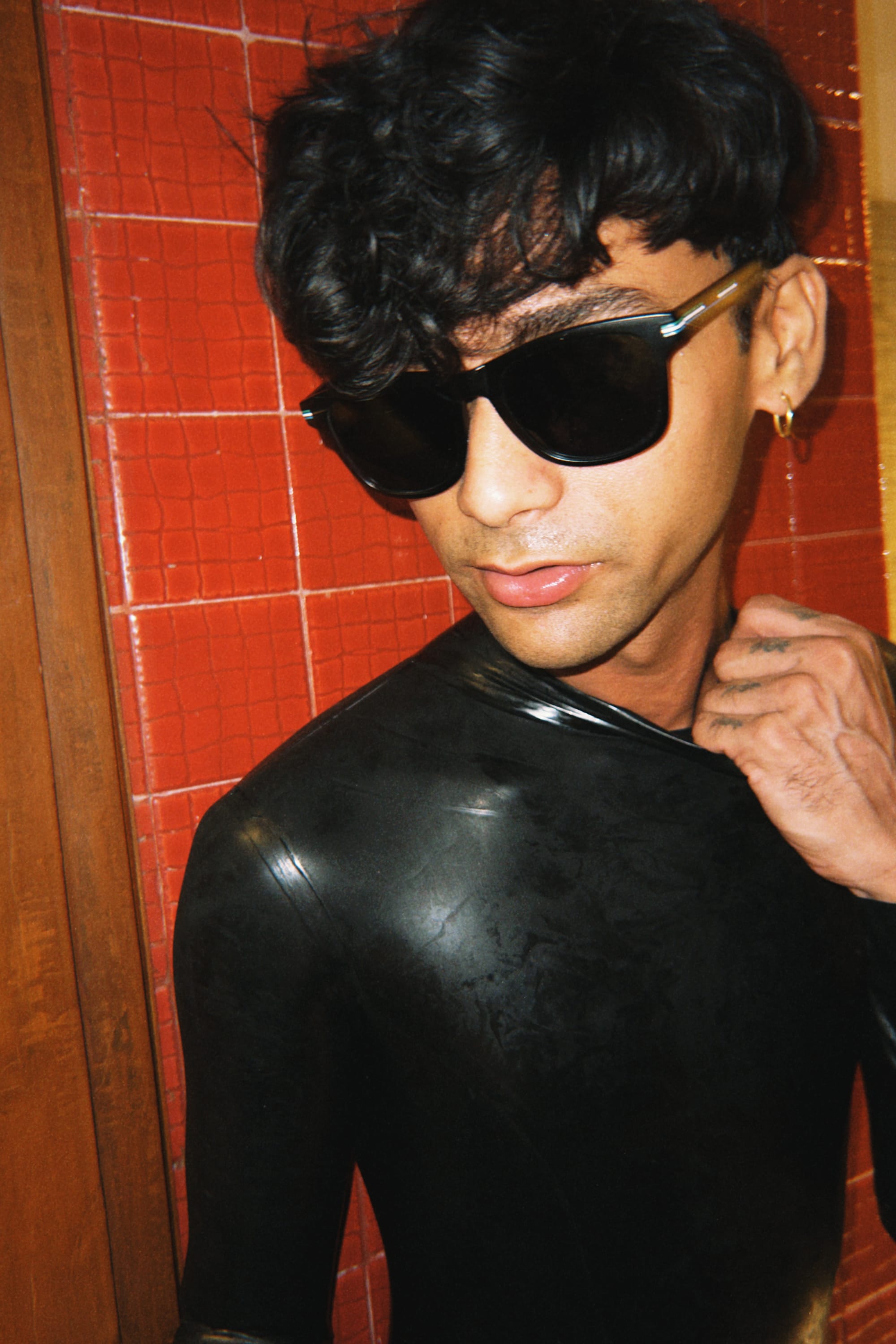
His favorite way to be teased? “Intelligence first. I like teasing that happens in the mind before it becomes physical. A look, a sentence, a pause, a little control, a little disobedience. Make me curious. Make me wait.”
Building Subculture has revealed new turn-ons. “Confidence has become a bigger turn-on than I expected — that quiet comfort someone has when they know their body and are not apologising for it.” He’s also deeply affected by materials: “Latex moving, leather warming against skin, metal sitting cold before the body heats it.” Surprisingly, the smell of dhoop (incense) has become sensual for him. “I grew up with it in a religious home. Now I light it because it feels intimate, nostalgic, and spiritual.”
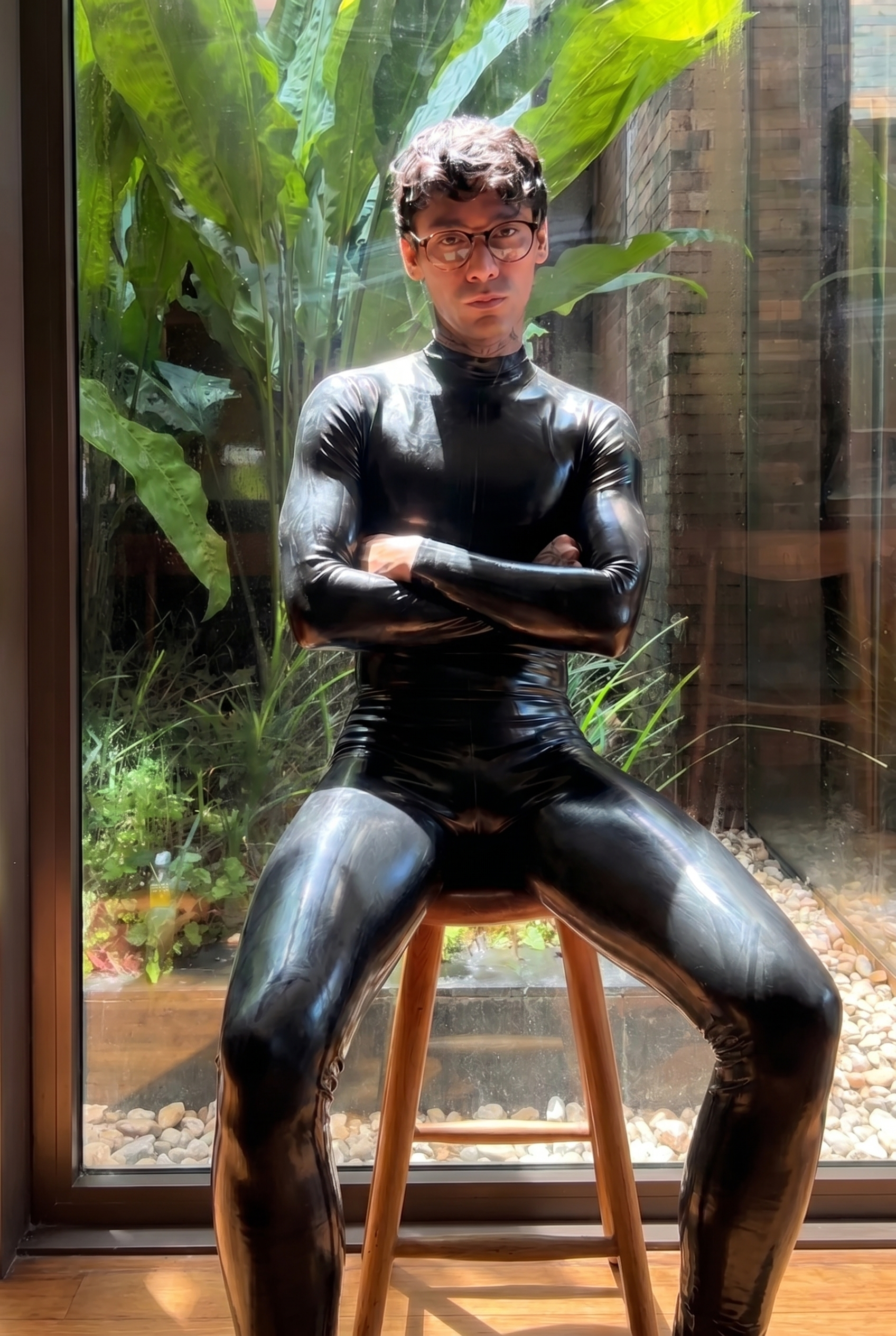
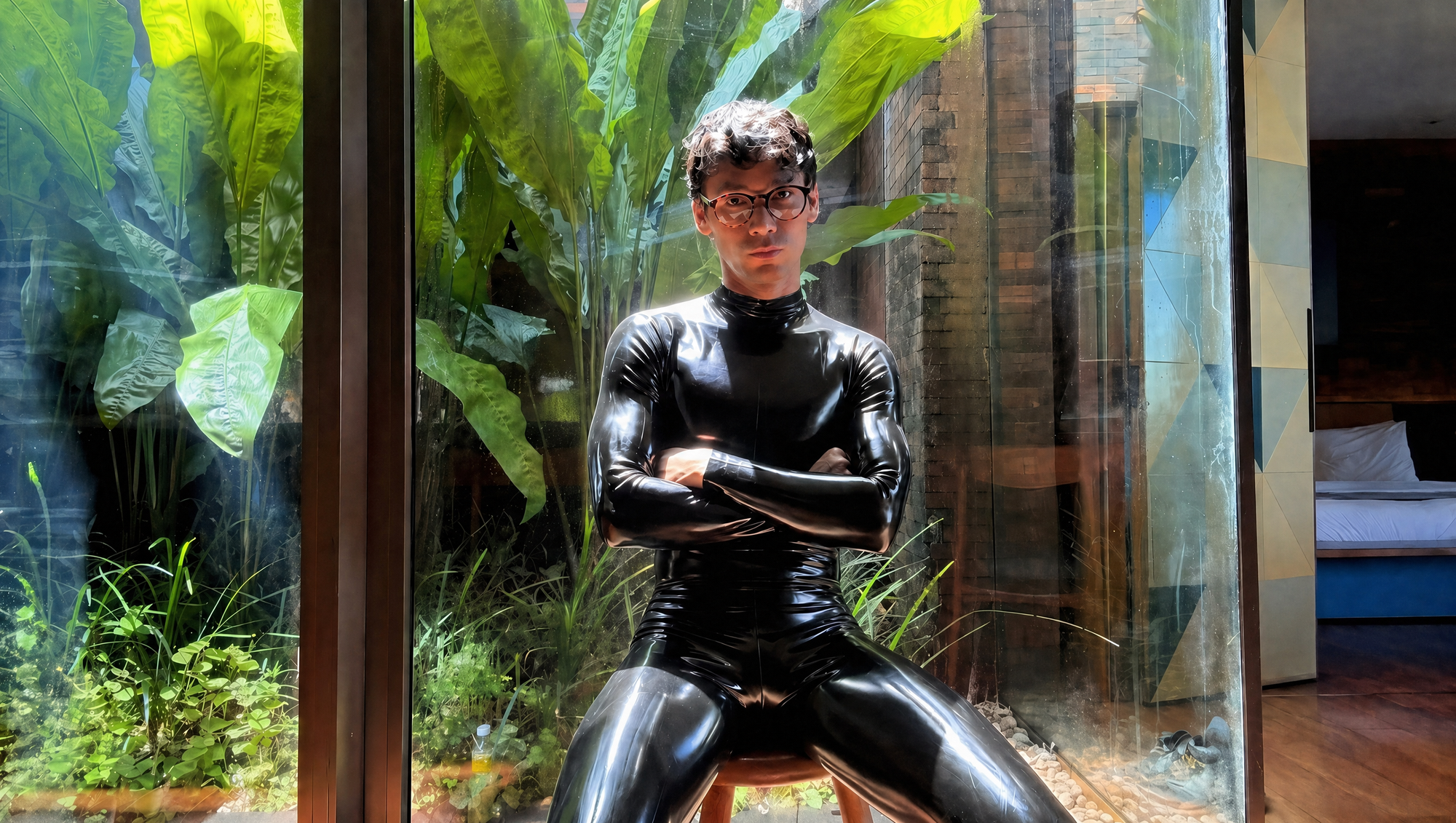
Power, for him, is choice. “In life, power feels like the ability to say yes, no, not now, not this. In the bedroom, power is trust — knowing when to lead and when to surrender.”
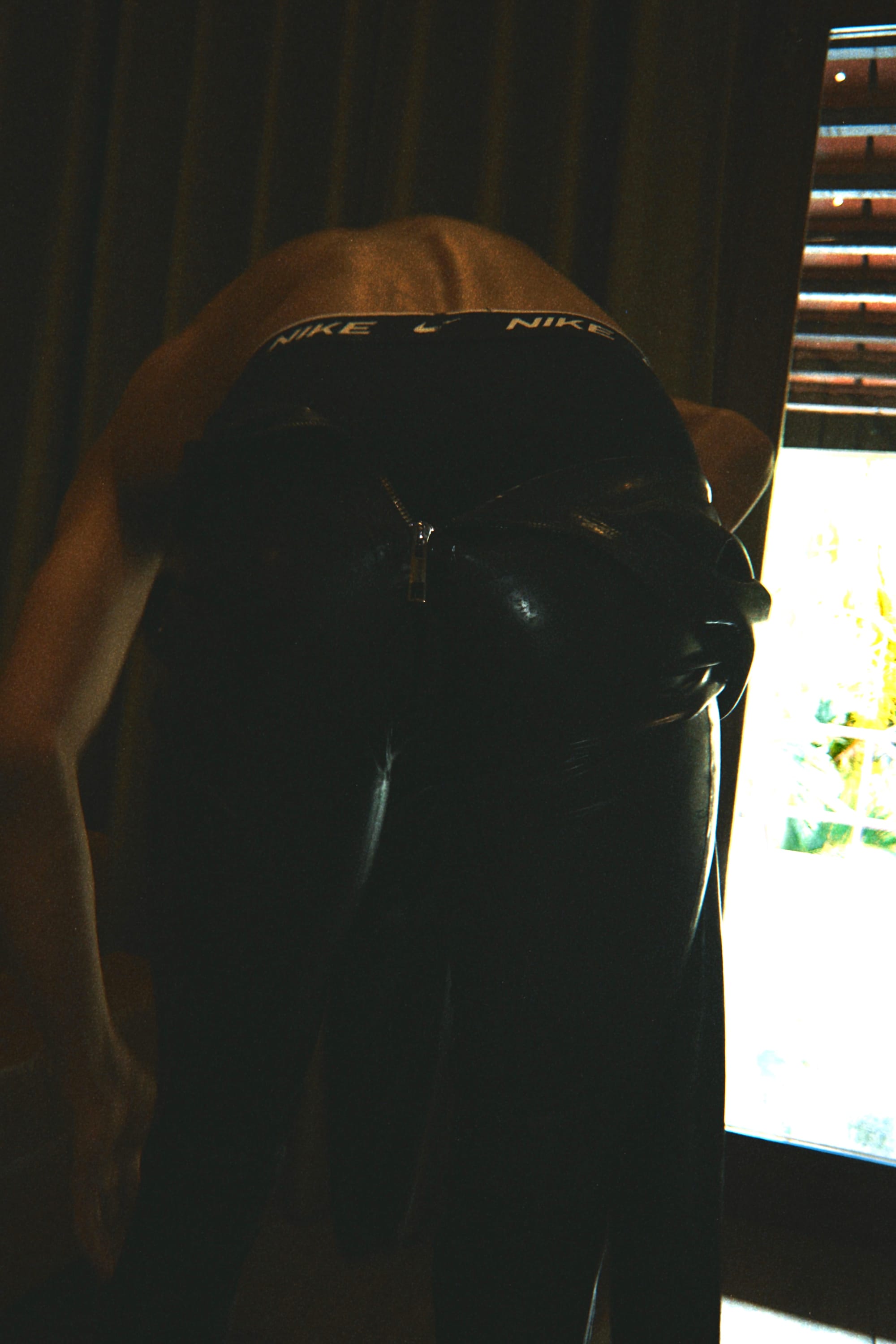
Very few people know how soft he can be. “People see the bold pictures and confidence. Very few know how much I worry, how deeply I care about my family, my dog, and my team. The public version is armour. The private version is still learning how to put it down.”
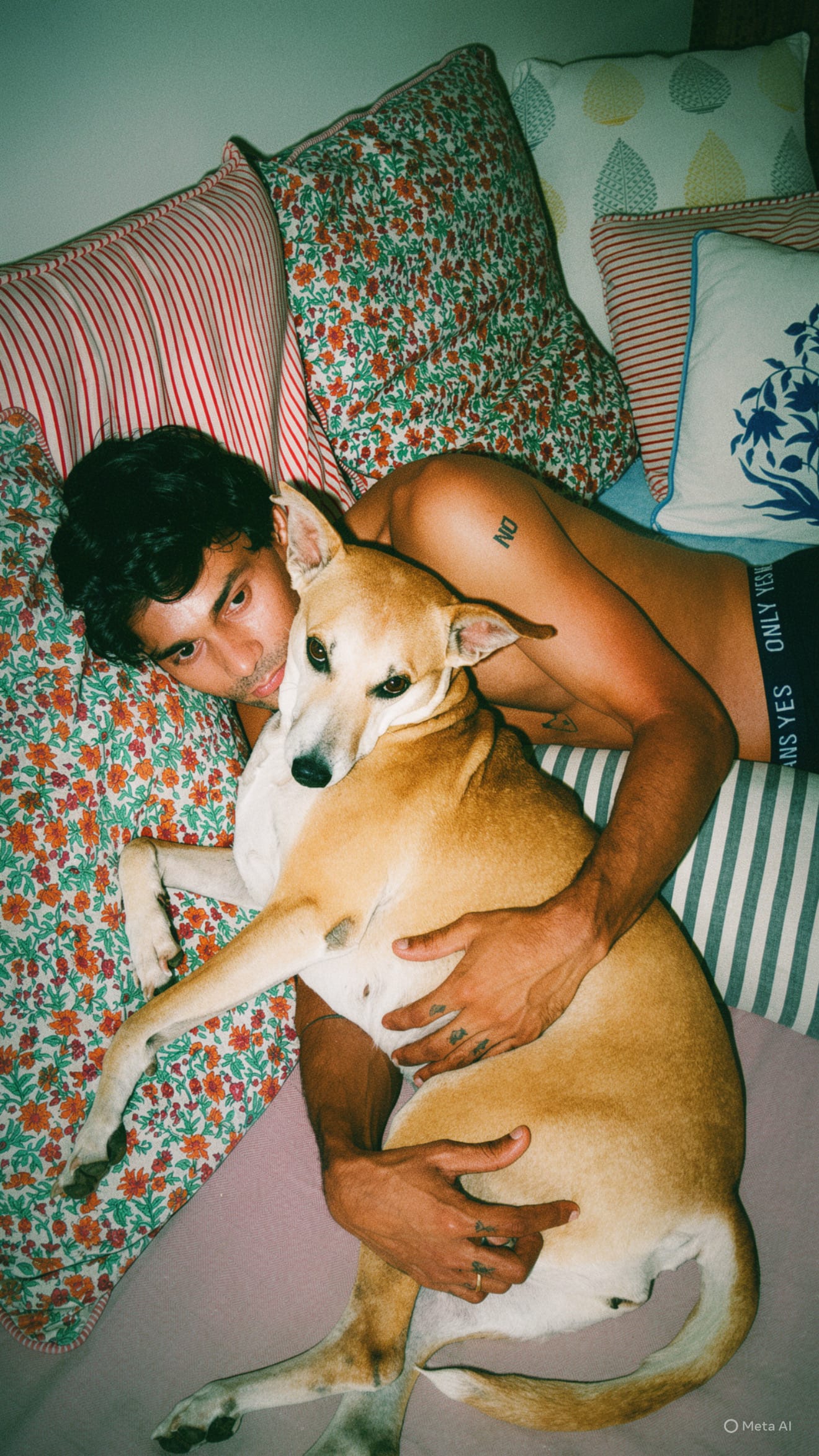
His vision for Subculture’s legacy is clear. “I want it to be remembered as the brand that gave Indian fetish fashion its first serious language — as craft, culture, business, fantasy, and freedom. I want it to be a door that stayed open for others after I pushed it first.”
To anyone scared to explore their kinkier side, he advises: “Start privately and honestly. You don’t need to announce everything. Read, understand consent and safety, buy the piece, wear it in your room, feel awkward, then try again. Fear becomes smaller when you stop treating your desire like an enemy.”
The last time he felt truly proud? “In flashes — on Shark Tank, seeing the brand in major publications, or quieter moments like a customer message or my team working together. It reminds me this is alive.”
And finally, what does he hope people feel after reading this interview?
“I hope they feel that behind the leather, latex, nudity, kink, and spectacle, there is a real person who built something from hunger, curiosity, discipline, and desire. I hope they feel turned on, but also moved a little. And maybe, after reading this, they feel a little braver about wanting what they want.”
 Gareth Johnson