100 Heroes: Alain Locke
The gay man who became a key figure in the Harlem Renaissance.

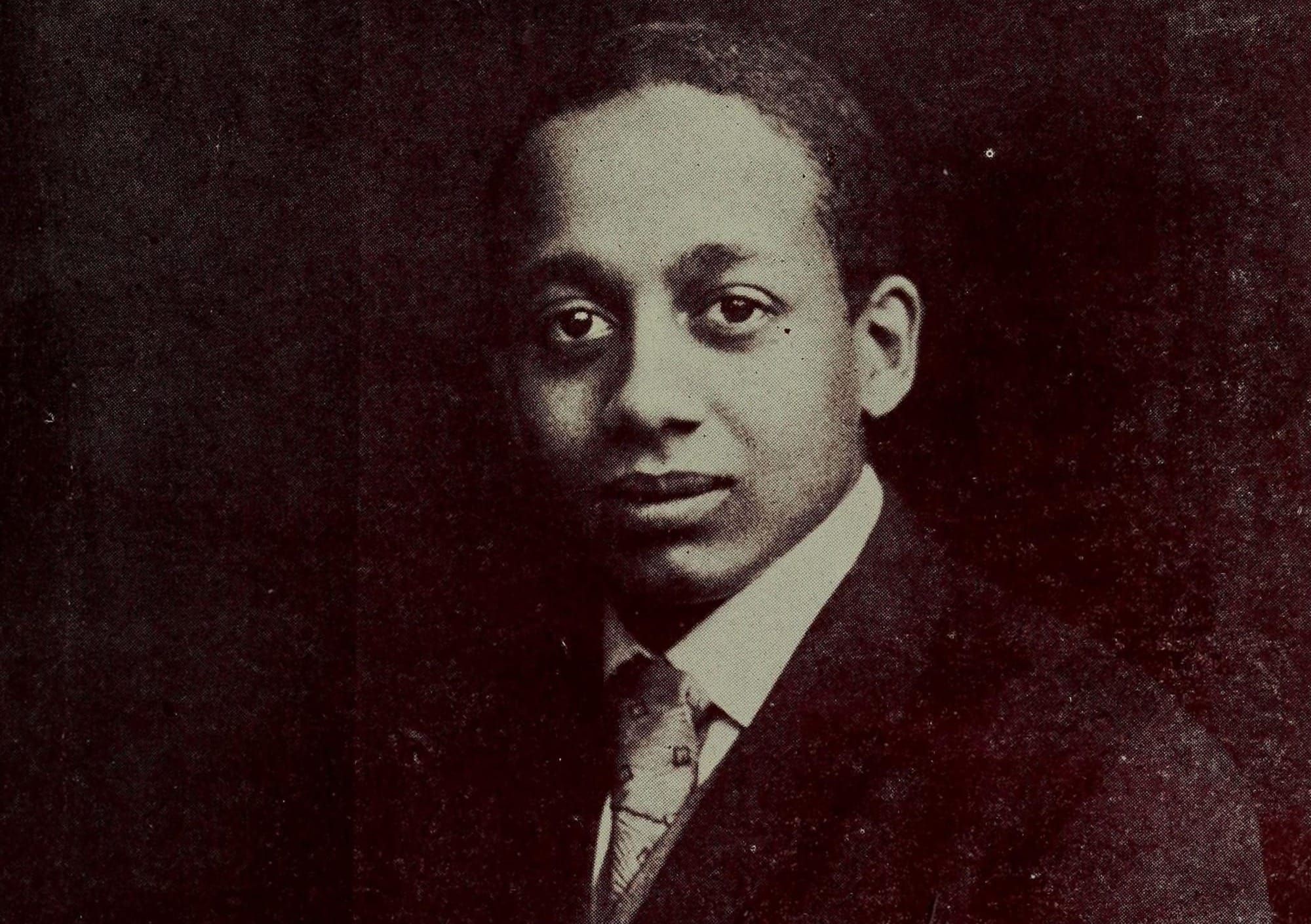
Alain Locke was an American writer, philosopher, and educator.
Distinguished in 1907 as the first African-American Rhodes Scholar, Locke became known as the philosophical architect of the Harlem Renaissance.
Early Life
Born in 1885 in Philadelphia, Locke excelled academically and graduated from Harvard in 1907.
Being awarded the Rhodes Scholarship enabled Locke to continue his studies at Oxford.
Career
Returning to the US around 1912, Locke took a teaching position at Howard University and went on to become the university's chair of the department of philosophy.
Harlem Renaissance
Locke was the guest editor of the March 1925 issue of the periodical Survey Graphic, for a special edition titled "Harlem, Mecca of the New Negro": about Harlem and the Harlem Renaissance.
In December of that year, he expanded the issue into The New Negro, a collection of writings by himself and other African Americans, which would become one of his best-known works.
Locke contributed five essays: the "Foreword", "The New Negro", "Negro Youth Speaks", "The Negro Spirituals", and "The Legacy of Ancestral Arts".
Locke's philosophy of the New Negro was grounded in the concept of race-building; that race is not merely an issue of heredity but is more an issue of society and culture. He raised overall awareness of potential black equality; he said that no longer would blacks allow themselves to adjust or comply with unreasonable white requests. This idea was based on self-confidence and political awareness. Although in the past the laws regarding equality had been ignored without consequence by white America, Locke's philosophical idea of The New Negro allowed for fair treatment. Because this was an idea and not a law, people held its power. If they wanted this idea to flourish, they were the ones who would need to "enforce" it through their actions and overall points of view.
While his own writing was sophisticated philosophy, and therefore not popularly accessible, he mentored other writers in the movement who would become more broadly known. The "philosophical basis" of the Renaissance has since been widely recognised to originate from Locke.
Personal Life
It was widely known by his contemporaries that Locke identified as a gay man. It's not something that he discussed publicly, given the systemic homophobia of the time.
Locke died in 1954, aged 68.