Naked Men Talking: Carlos Pons Guerra
We talk medieval history, bullying, and why we need to see more men dancing together.

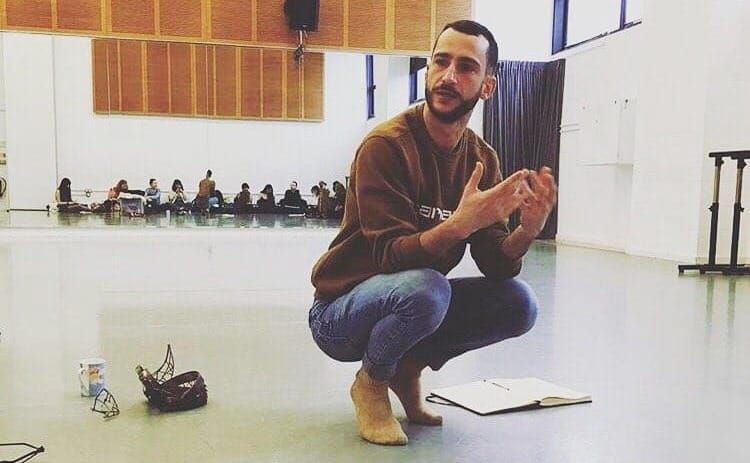
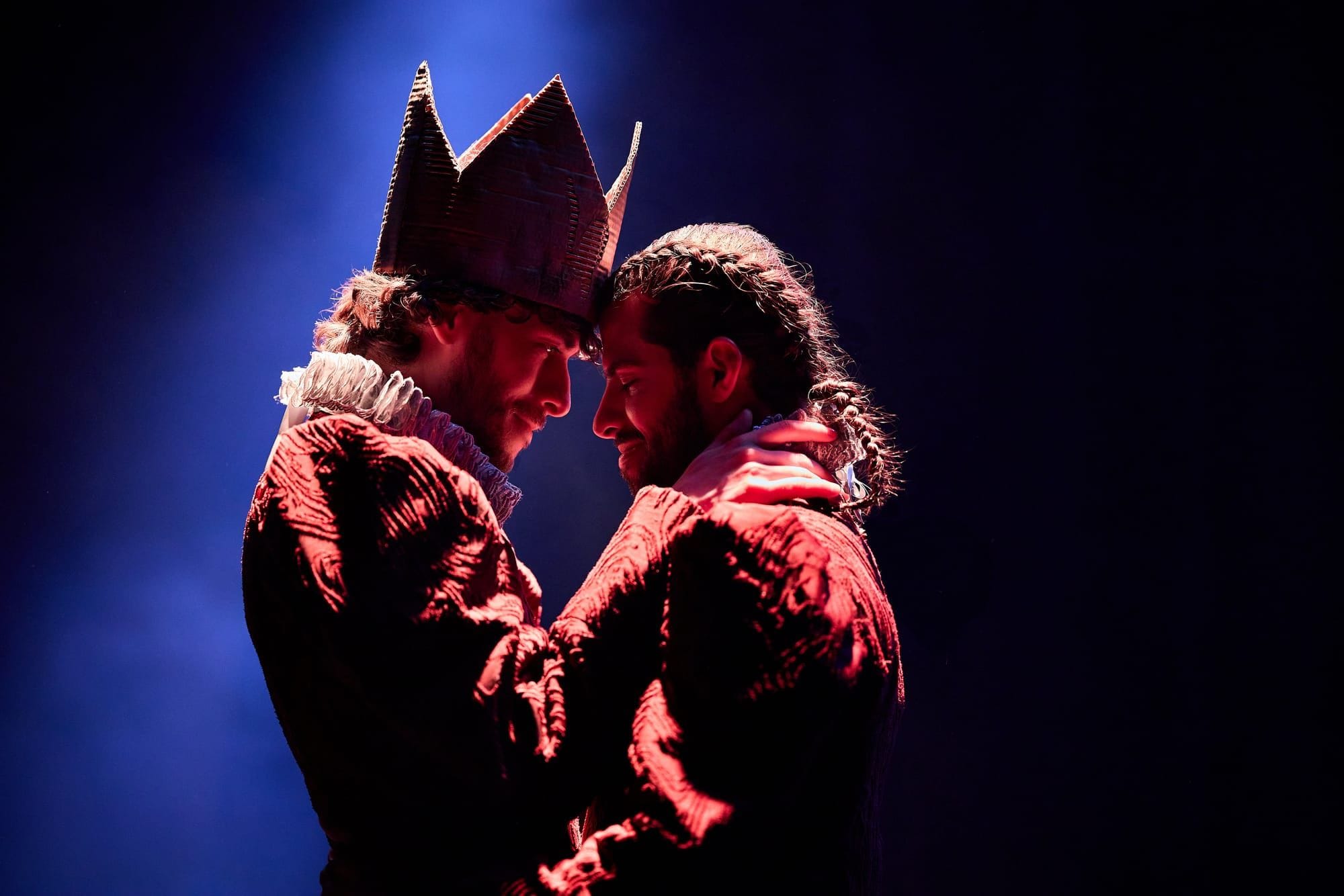
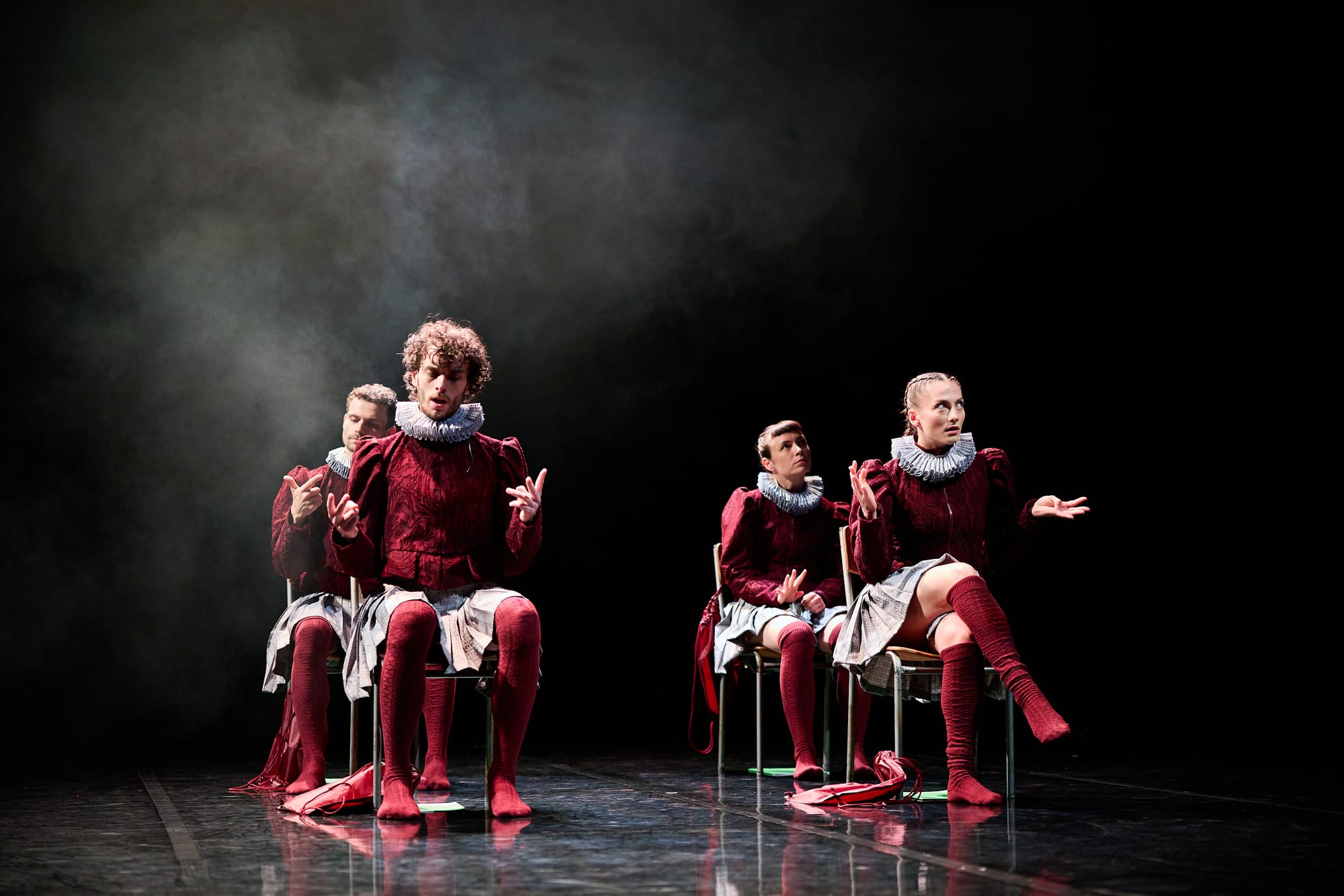
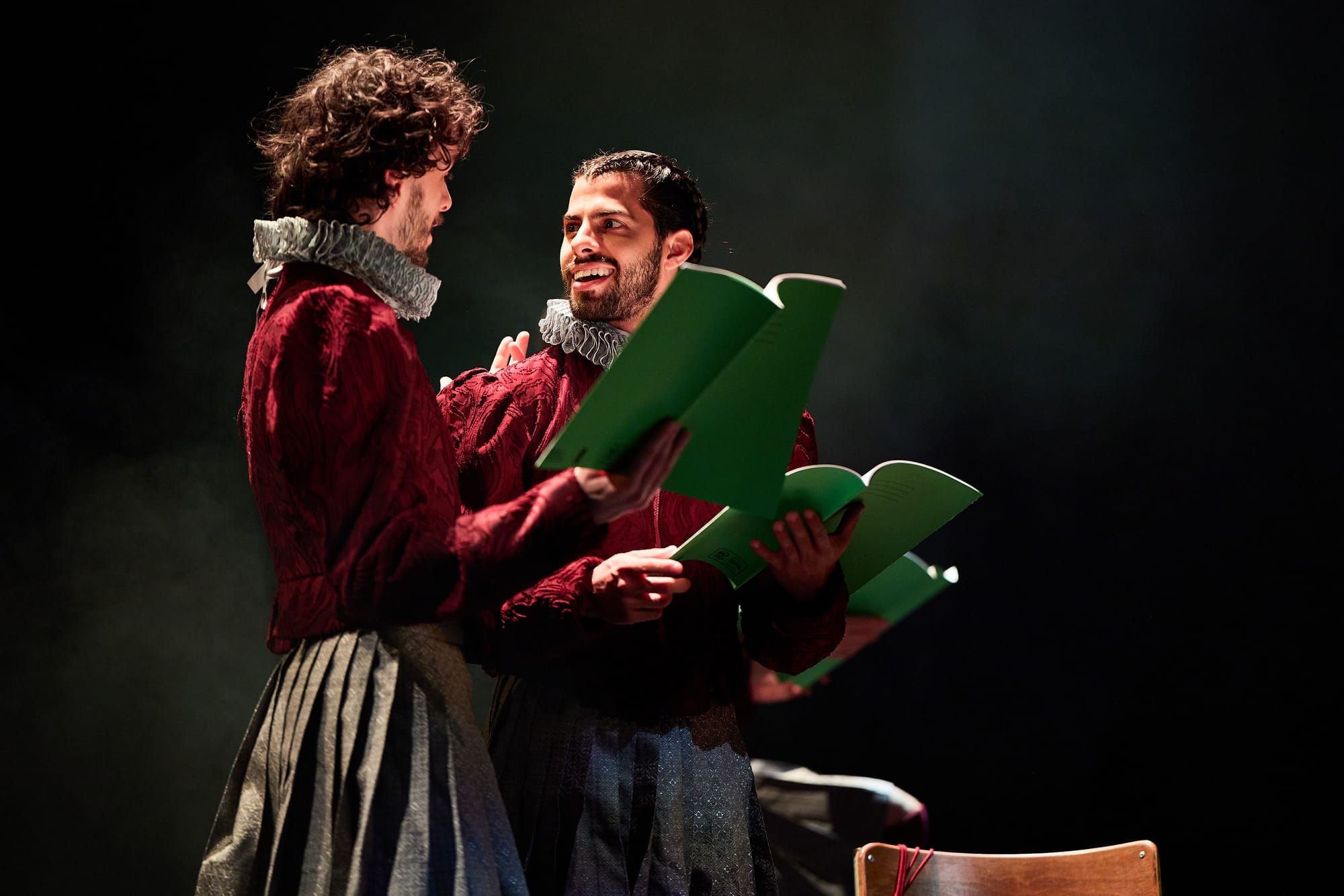
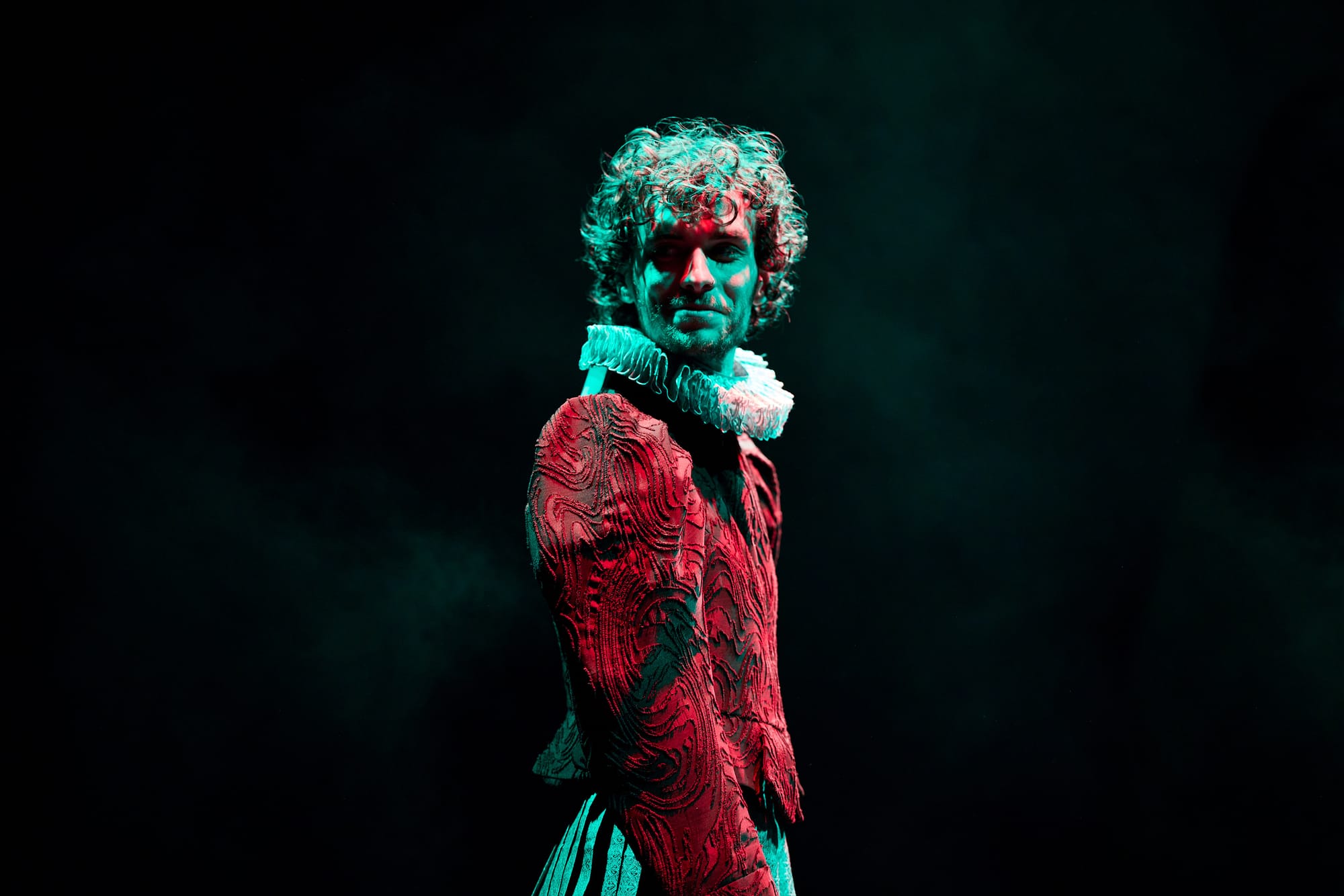
Contemporary choreographer, Carlos Pons Guerra, is taking his dance adaptation of Edward II on tour around the UK.
For our podcast, Naked Men Talking, I caught up with Carlos for a behind-the-scenes look at the production.
In the conversation, we talk medieval history, bullying, and why we need to see more men dancing together.
You've created a dance adaptation of a play by Christopher Marlowe - telling the story of Edward II. Why was this a story that you wanted to interpret through dance?
I came across a story of Edward II when I was doing my MA in English literature. I was very intrigued by the idea of a medieval queer monarch.
Why dance? I'm a choreographer - that's how I tell stories.
When you read Christopher Marlowe's play - or you read what what people have written about the play - everyone gets really stuck on ideas of politics and royalty and the idea of kingship and what that is. But actually, when I read the play, what I really saw was the language of intimacy and affection and emotion between Edward and his favourite, Piers Gaveston.
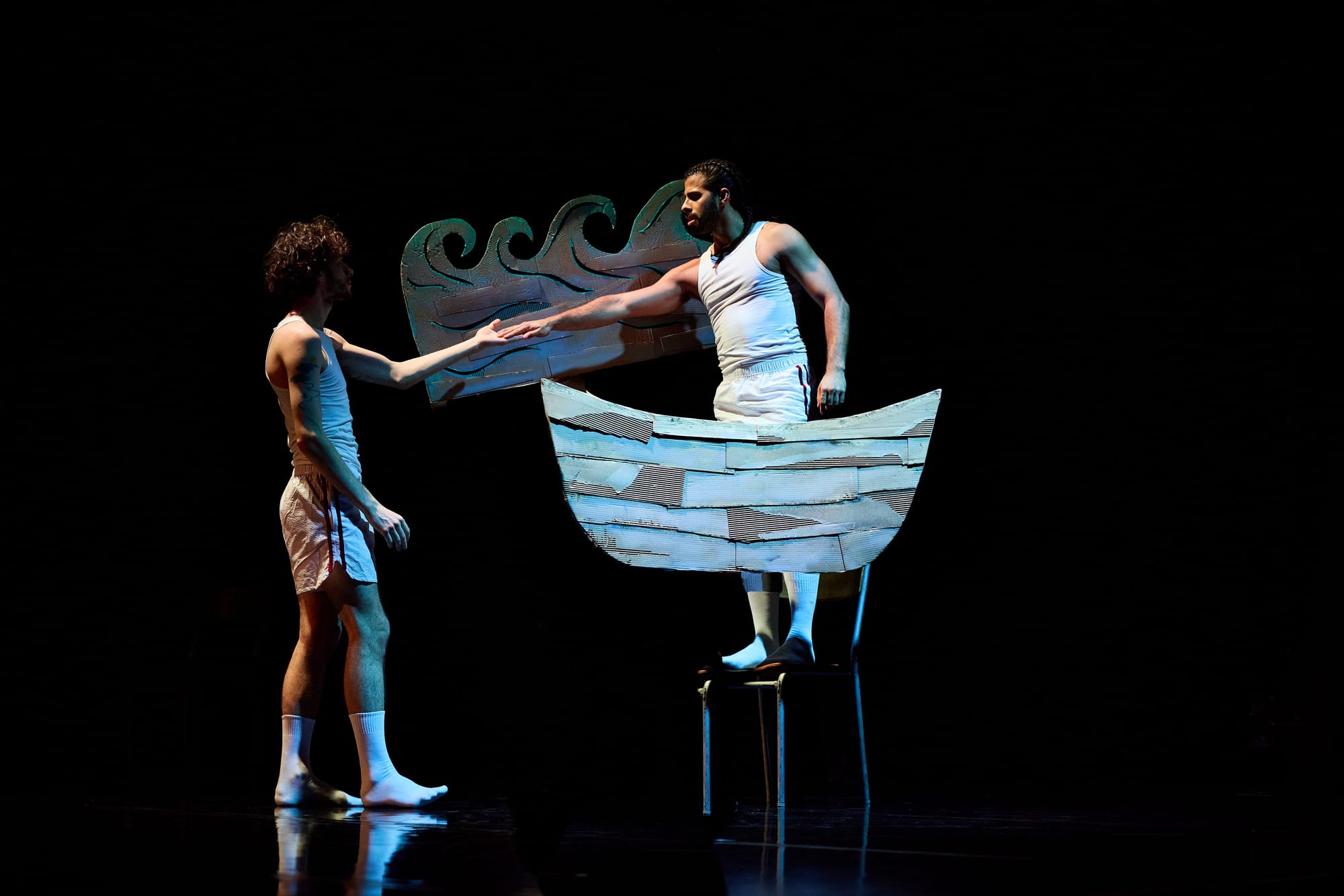
I thought that dance is so much better at communicating that kind of intimacy than theatre, sometimes - just because it is bodies being intimate, it is bodies being close to each other, it is these male bodies joining in the medium of dance.
I thought that maybe dance could bring something out of this story that hasn't been brought out yet.
Once you started studying the subject, did your understanding of Edward II shift or evolve during that process?
Initially, I thought that the adaptation would all be about homophobia throughout history.
There is definitely that, but I've discovered that there's a lot more to Edward. He's a man with an emotional side - I've discovered a more human aspect than just seeing him as a king.
You've transposed the action of this story into a high school setting. How has that choice shifted the way this play unfolds?
Edward is always seen as a king - most people don't think about him as a human. I thought, what happens if we took the crown off and we went somewhere else? It's not happening in a castle, it's not happening at court, it's happening somewhere else - somewhere that's also full of rules and that also has lots of power dynamics - a place we can all relate to.
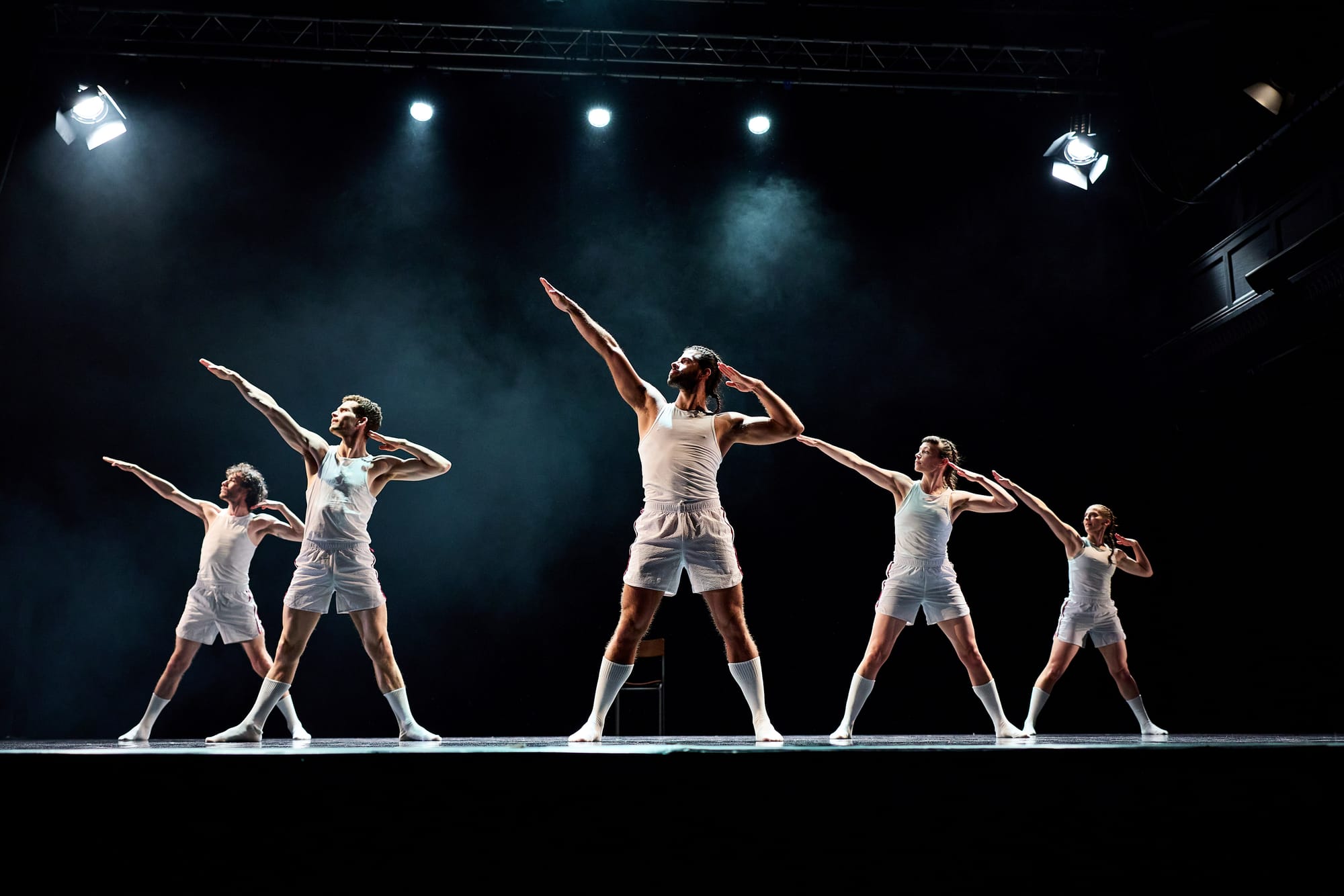
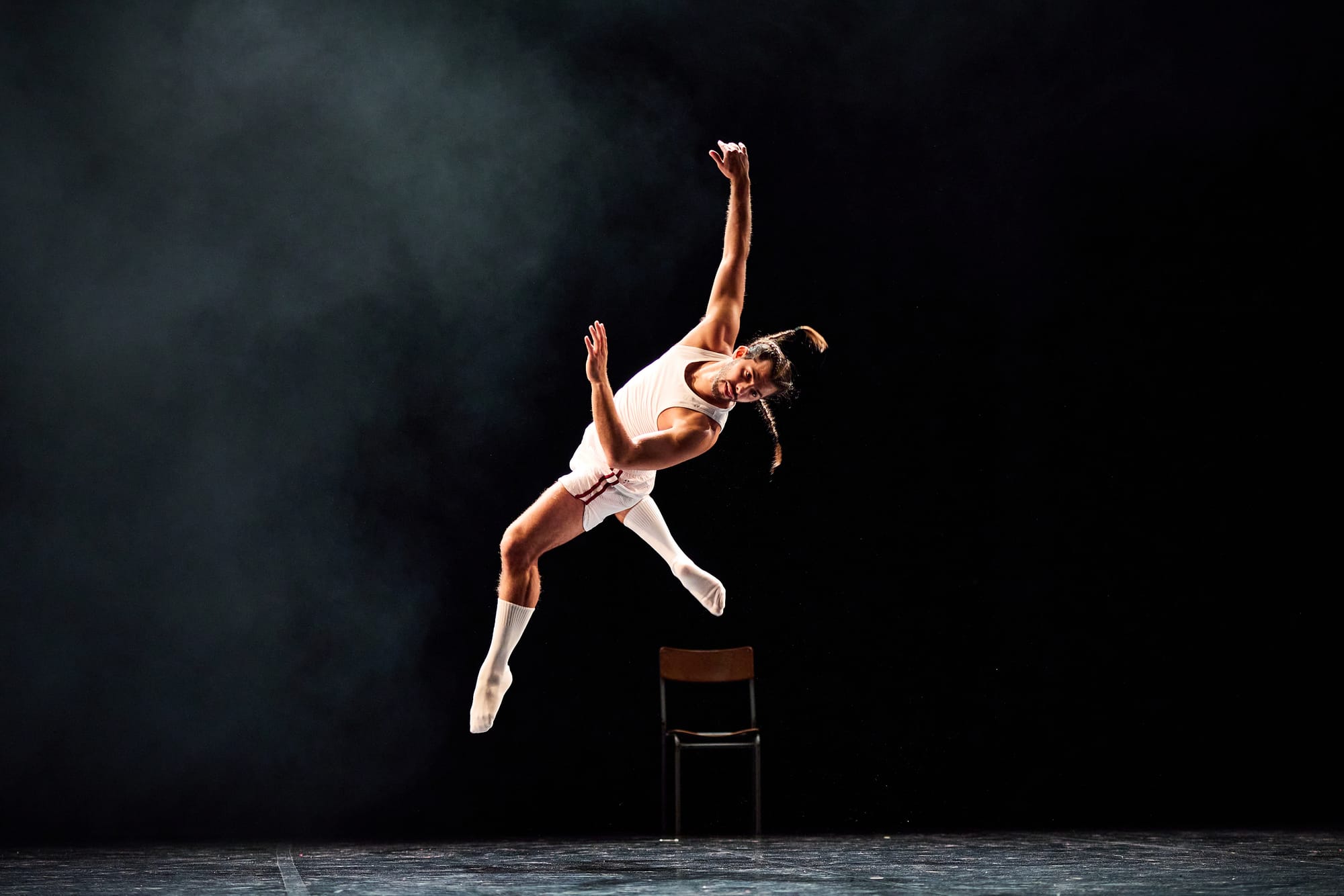
In the play, there's so many instances in which Edward is likened to a child - he's infantilised by everyone. School is also a space in which everyone is always reminding you that you're a child.
Then, I also have a recurring nightmare that I'm back in high school. I had a very shitty time at school - the bullying was terrible.
To me, high school is as terrifying as the medieval court of England must have been.
There's lots of references to death in the play. In medieval England, death was a very common motif. High School is also about death - the death of innocence, the shifting alliances of friend groups, social death. Buffy is also a big influence on this show.
Your work often centres men dancing together in duets - can you remember the first time that you saw two men dancing in that way?
I have a very clear memory. It was in Cuba - it was 2014 - it was Ballet Hispanic of New York. They had a piece by Spanish choreographer, Gustavo Ramírez Sansano - the piece was called The Kiss, El Beso.
It was about kissing - mostly straight kisses, but there was one very short duet with two guys, and in the end they had a quick peck and then run run off stage.
I was very inspired - it was a beautiful piece - but I felt why was that kiss so brief and why was it so short? And why does it have to be sandwiched in between lots of straight kissing? I suppose that has really fuelled my career since then.
Do you have to keep finding ways to push those boundaries or explore the power of the male duet in ways that you haven't done before?
In dance, you lift a rock and there's a thousand duets for men and women. We haven't even come close to there being enough gay duets.
I always try to innovate choreographically with what it is that I am doing, but I think it's actually more about the story that I'm telling.
For example, in Edward II, there's several duets - some of them are quite dark but some of them are just about trying to connect with that childlike innocence of first love.
Sometimes I underestimate - from touring work - how little people get access to that kind of duet. You might be in London where there's more of a queer dance scene but if you're touring somewhere like Poole, you don't get that kind of duet often. It's important not to underestimate the power of it.
What would it have meant to you when you were in school if you'd seen a production like Edward II?
Everything. At the time - this was 2005 - every single cultural work was telling you that how you were was wrong, or just a little funny sidekick character. There was no cultural work that said that it was okay to be like you, or that there were people like you.
In ballet - where most of us are queer - there were no characters that were like us.
We were all being trained to wear white tights and be straight. That has been one of the most rewarding things of this career - people saying, you finally gave me a ballet where I can be queer, where I can hold another man, where I can be touched by another man. I'm tired of being a prince for women.
If I had seen that when I was a teenager, it would have inspired me. It would have given me a really important message that it's fine to be who you are. It would have been a lifeline. I hope that's what this is for some people.
Beyond Edward II, what else is on your vision-board for the months ahead?
Edward II is also my PhD thesis. After the premiere, I have to write the thesis and submit it.
As well as touring Edward II, we are developing a new production called Lola the Lobster, which is for children. She's a showgirl lobster who has many adventures.
What do you hope that people feel when they come to see Edward II?
It would be good to have that sense of historical acknowledgement that we've always been around, but mostly I want people to connect with the love story - the story of these two people who loved each other tremendously when the world was trying to keep them apart.
I also hope it brings some solace to people who like me experienced terrible bullying in school, and makes everyone think about what we can do together so that young people don't experience that anymore.
Edward II: Tour Dates
30-31 October: Leeds
17 November: Sheffield
15 January: Rochdale
28 January: Barnsley
2-3 March
 Gareth Johnson