European Commission ends hope of EU ban on conversion therapy
Forced to consider to the issue after a huge petition but the outcome leaves LGBTQ vulnerable.

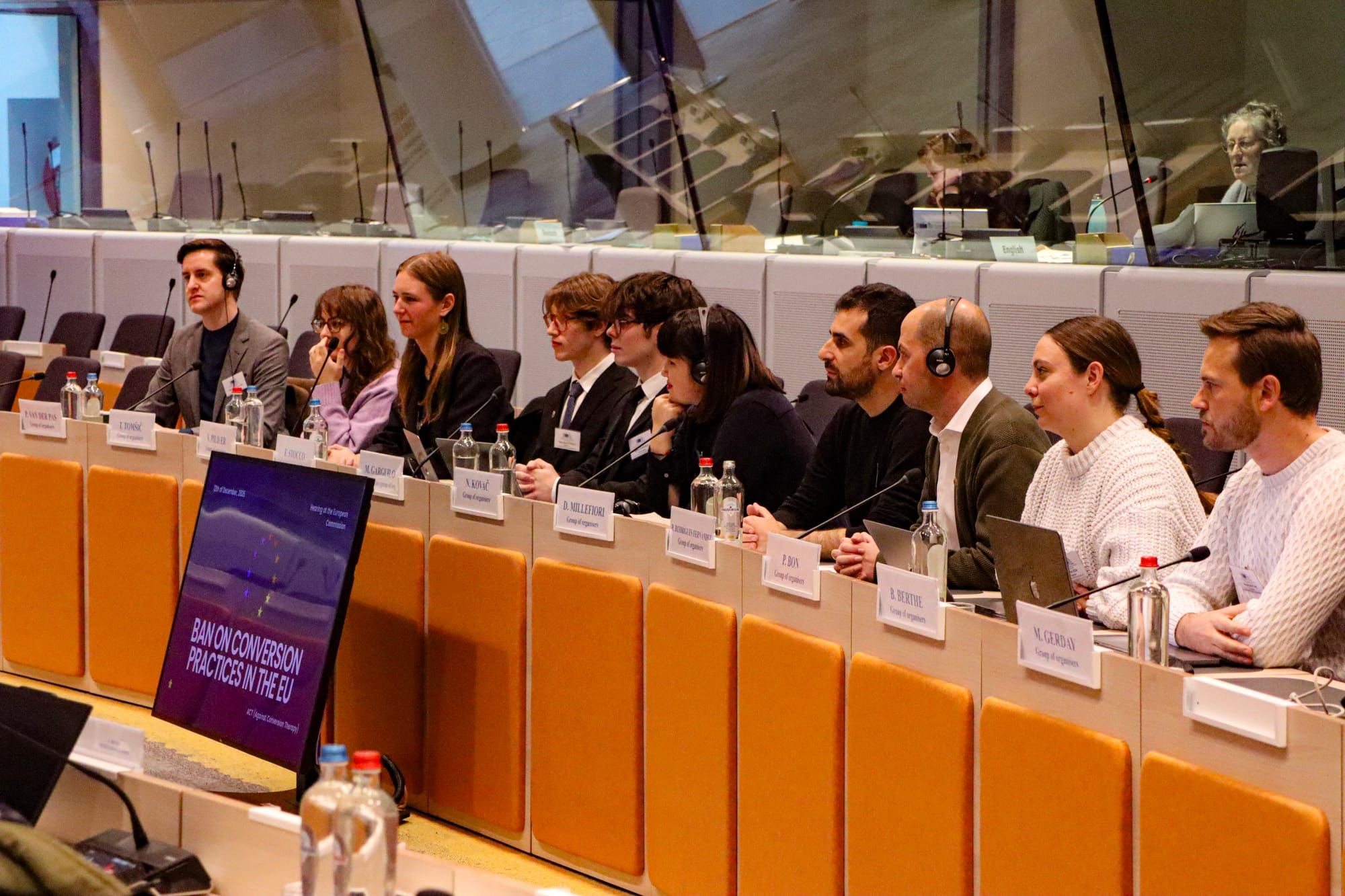
In a blow to the LGBTQ community across Europe, the European Commission has said that it doesn't have the authority to force member states to ban conversion therapy.
The matter was tabled for consideration after the European Parliament voted in favour of a ban - a vote that was triggered by a citizen's petition that gathered over 1.2 million signatures calling for a European ban on conversion therapy.
The vote by the Parliament sent the issue to the European Commission to formulate the required legislation, but it is at this stage that the Commission has ruled that such a law would be beyond its powers and would be unenforceable.
As an alternative, European Commission President Ursula von der Leyen said that the EU will push each individual member state to ban the practice in a recommendation to be published next year. That recommendation will be non-binding.
This outcome is disappointing.
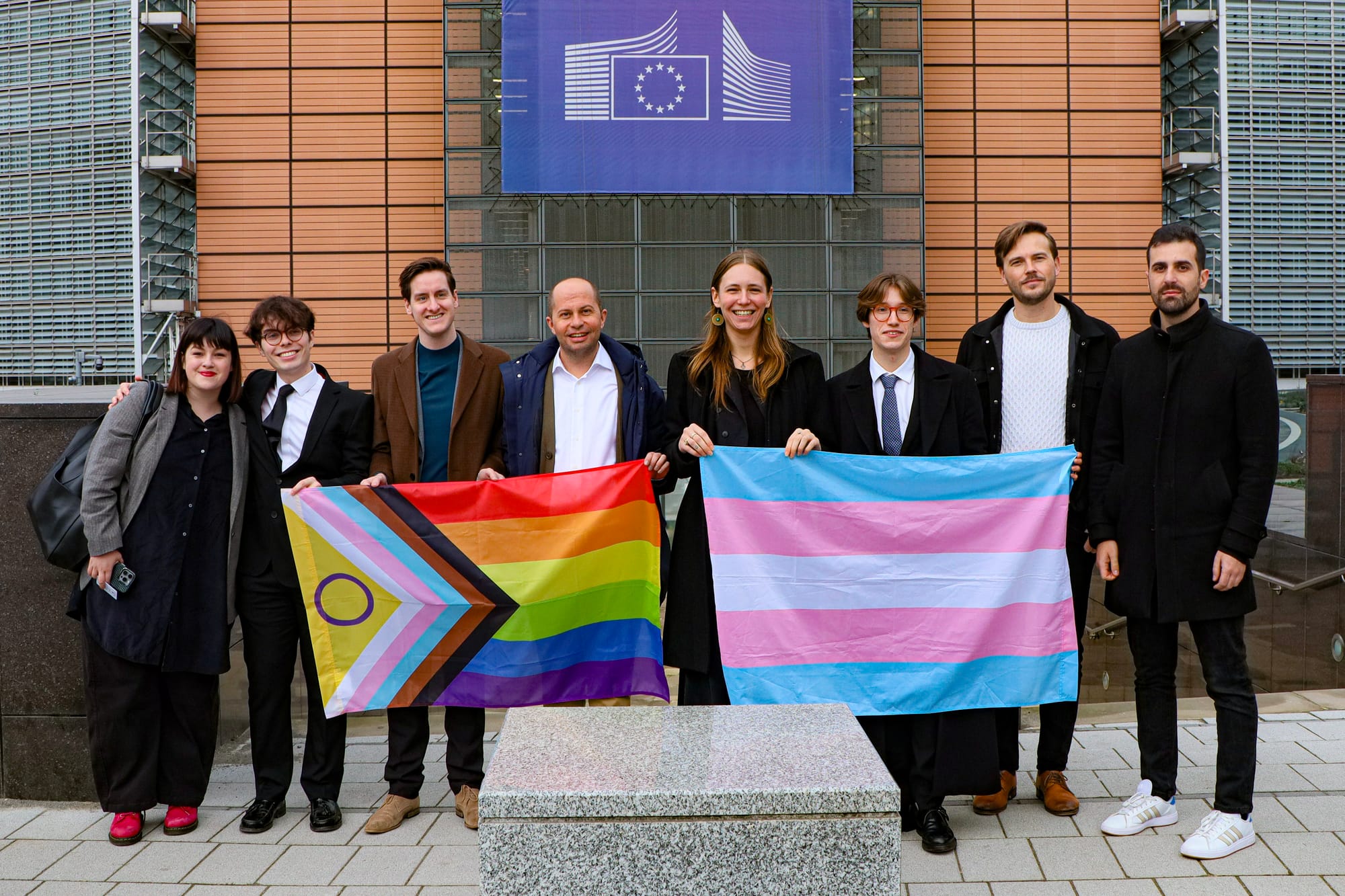
The citizen's petition was launched in 2024 by Association ACT (Against Conversion Therapy). According to data presented by Association ACT, 24% of EU LGBTQI+ citizens have been victims of conversion practices. Trans people are significantly more vulnerable than other members of the queer community.
The data also indicates that around 50% of victims of conversion practices have subsequently experienced suicidal thoughts - this rises to 80% for trans people.
Only seven member states of the EU have conversion therapy bans in place.
What is conversion therapy?
Conversion therapy is the pseudoscientific practice of trying to change an individual’s sexual orientation from homosexual or bisexual to heterosexual using psychological, physical, or spiritual interventions.
Historically, the techniques used in conversion therapy have been horrific – lobotomies, chemical castration, electro-shock aversion treatment.
Today, organisations offering conversion therapy are generally suggesting counselling, visualisation, social skills training, psychoanalytic therapy, and spiritual interventions such as prayer and group support.
There isn’t any form of conversion therapy that can change someone’s sexuality. It’s based on the false premise that a sexuality that is not heterosexual is somehow deficient or abnormal.
Which countries have banned conversion therapy?
It's difficult to get a clear reading on the total number of countries that have banned conversion therapy as it's difficult to compare different legal systems and some countries have partial ban, or may have bans in place at the state level.
The Equaldex resource platform currently puts the number at 25 countries that have banned conversion therapy.
These are:
- Taiwan
- Vietnam
- Israel
- Albania
- Belgium
- Cyprus
- France
- Germany
- Greece
- Iceland
- Malta
- Norway
- Portugal
- Spain
- Canada
- Mexico
- New Zealand
- Samoa
- Argentina
- Brazil
- Chile
- Ecuador
- Paraguay
- Peru
- Uruguay
What's happening with conversion therapy in the UK?
Successive governments in the UK have made commitments to implementing a ban on conversion therapy, but the required legislation has not yet been introduced.
The current Labor government has said that it supports a ban on conversion therapy and it has the voting majority required in order to implement the ban. However, the ban has not yet been implemented.
 Gareth Johnson