Gay mayor killed in Mexico
Benjamín Medrano Quezada was shot while getting ice-cream.

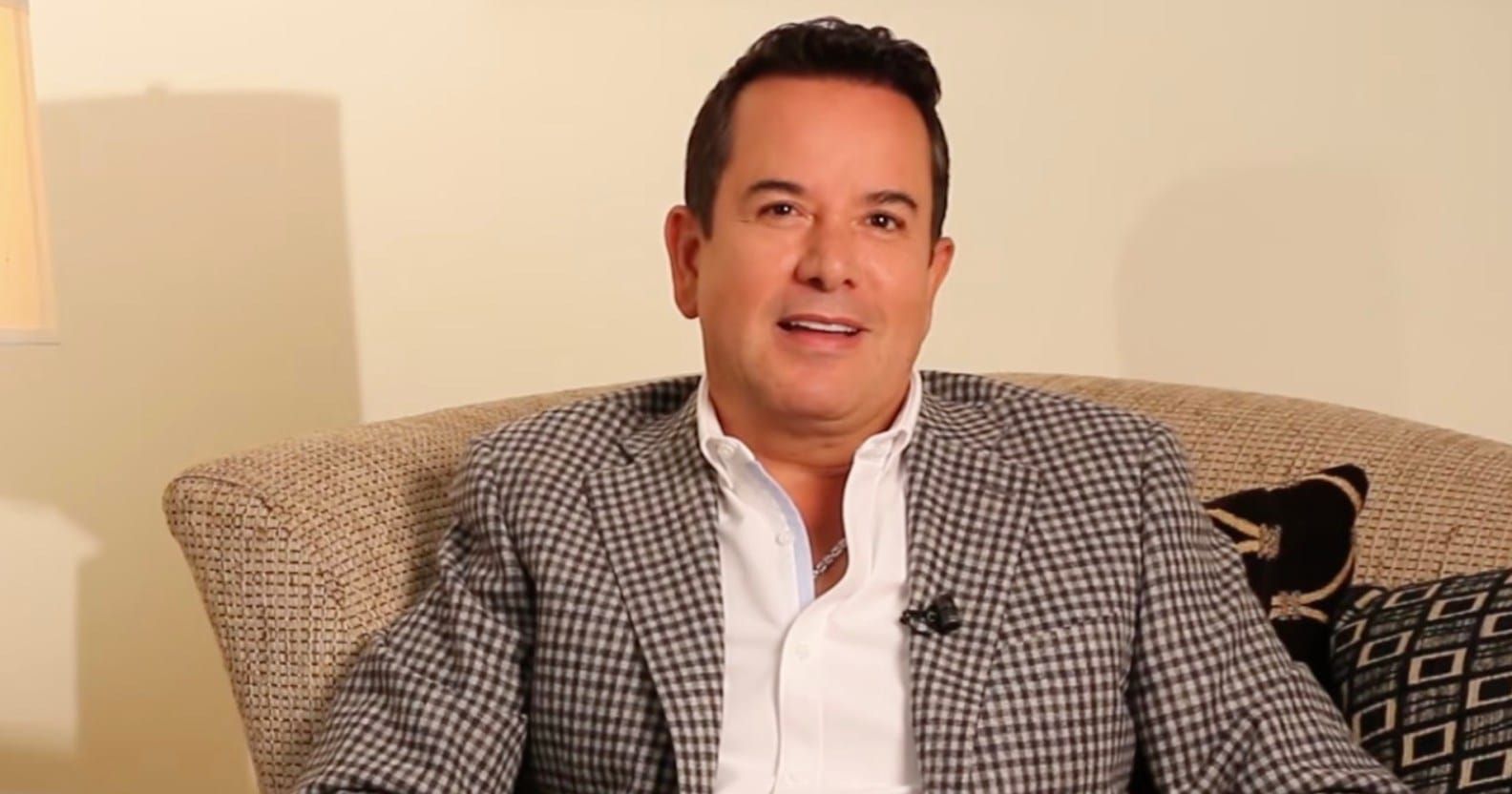
It's been confirmed by media reports that Benjamín Medrano Quezada has been shot and killed.
Medrano Quezada, aged 59, was reportedly the first openly gay man to be appointed as a mayor in Mexico.
He was murdered in Guadalajara, while out getting ice-cream.
Having been mayor of the city of Fresnillo, in the state of Zacatecas, between 2013 and 2015, Medrano Quezada went on to represent a district in Zacatecas in the Mexican Congress Chamber of Deputies.
What's not clear at this time is what the motive may have been for the murder of Medrano Quezada - he was shot in the face, multiple times. The attack happened on 7 July.
One possible angle being investigated is that at the time of the murder, Medrano Quezada was being investigated for allegations of fraud.
What’s life like for LGBTQ people in Mexico?
What’s life like for LGBTQ people in Mexico? Let’s take a look at some of the key equality indicators.
Is homosexuality legal in Mexico?
Same-sex sexual activity was decriminalised in 1871, however homosexuality has continued to be punished using laws against public immorality and indecency.
Are there anti-discrimination protections in place for LGBTQ people in Mexico?
Yes. Protections were implemented in 2003.
Is there Marriage Equality in Mexico?
Yes, in 2022, all states passed the required legislation to implement Marriage Equality.
What’s life like for LGBTQ people in Mexico?
Mexico is a socially conservative country, however there has been a progressive move towards LGBTQ equality.
There is a vibrant and visible LGBTQ community – particularly in the larger cities – and Mexico’s beach-side resort towns generally welcome LGBTQ tourism.
Homophobic violence still regularly occurs - Trans women are particularly vulnerable.
What’s the history of homosexuality in Mexico?
Traditionally, there has been tolerance of sexual diversity in a number of the indigenous cultures of this region – especially among Isthmus Zapotecs and Yucatán Mayas.
There was a strong association between ritual and homosexual activity. Some shamans engaged in homosexual acts with their patients, and priests engaged in ritualised homosexual acts with their gods. Similarly, the Toltecs were a very sex-positive people, with public displays of sex and eroticism, including of homosexual acts.
Little is known about same-sex relationships in Aztec society. Some sources claim that homosexuality among young Aztec men was tolerated – homosexual acts were commonly practised in temples and before battle – but not among adult men, where the punishment could be death. The penetrated adult male (known as cuiloni) would typically be killed through anal impalement but the penetrating male would usually not suffer any punishments. On the other hand, many Aztec nobles and rich merchants had both male and female prostitutes and engaged in same-sex relations, and there were some religious rituals where homosexuality was acceptable, most notably Tezcatlipoca sacrifices. However, some sources suggest that homosexuality was more widely practised and tolerated among the Aztecs and that most of the negativity surrounding the practice stems from Spanish records, as supposedly the Spanish had huge problems trying to stamp out homosexuality. The Aztec god Xōchipilli is the patron of homosexuals and male prostitutes.
In 1542, Hernan Cortés – on behalf of the King of Spain – established rules against sodomy. This escalated as the Spanish regime continued to try and punish activity it described as sexual sins.