US Supreme Court overturns conversion therapy ban
Judgement sided with a Christian therapist who wants to continue trying to turn queers straight.

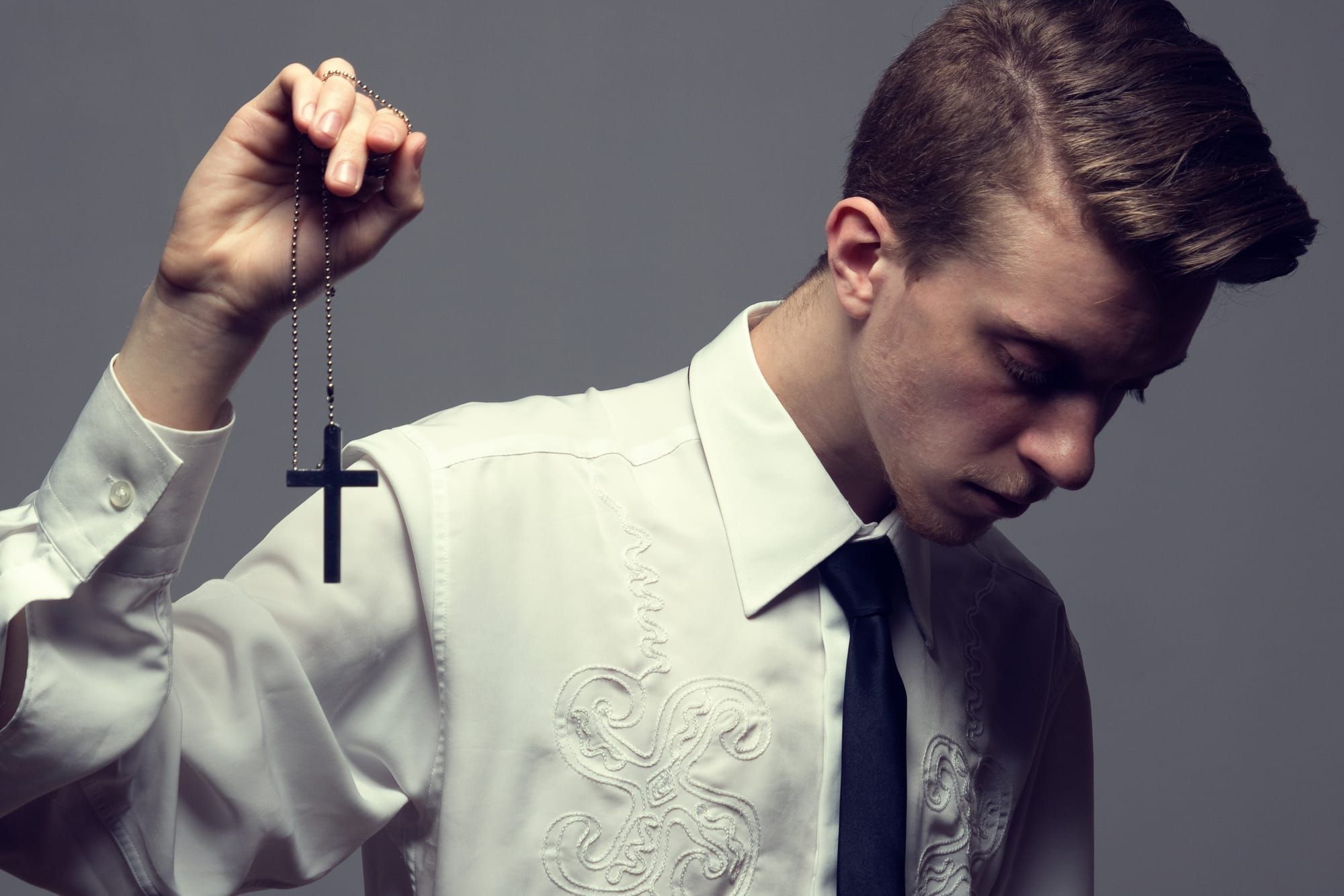
The US state of Colorado passed legislation to ban so-called conversion therapy which attempts to turn queer people straight.
Often promoted by religious groups, the harm that this causes to queer people has been widely documented.
However, a therapist in Colorado believed that the ban violated her free speech rights under the First Amendment of the US Constitution.
In a majority verdict of 8-1, the Supreme Court has agreed with the therapist and overturned Colorado's ban on conversion therapy.
As with most cases of this nature, the details get fairly complicated. The Supreme Court concluded that the lower courts that had considered the legal arguments had made errors when considering how the constitutional protections might restrict the legislative powers of a state.
However, the argument put forward by the therapist - Kaley Chiles, a licensed counsellor and practising Christian in Colorado Springs - was that Colorado's ban interfered with her ability to treat individuals with "same-sex attractions or gender identity confusion" who "prioritise their faith above their feelings".
Chiles argued her First Amendment rights were violated because the law prohibited her from engaging in talk therapy with clients who want her help to "reduce or eliminate unwanted sexual attractions (or) change sexual behaviours".
The state of Colorado argued that the law does not regulate speech, but instead regulates the conduct of professionals providing mental health treatment. The state also argued that the law does not prohibit discussions of gender identity and sexual orientation.
Writing the majority decision for the court, Justice Neil Gorsuch supported the argument put forward by Kaley Chiles, writing that Colorado's law "censors speech based on viewpoint".
"The First Amendment stands as a bulwark against any effort to prescribe an orthodoxy of views, reflecting a belief that each American enjoys an inalienable right to speak his mind and a faith in the free marketplace of ideas as the best means for finding truth..." reads the opinion written by Gorsuch.
The majority opinion emphasised that Chiles's talk therapy "involves no physical interventions or medications".
Supreme Court Justice Ketanji Brown Jackson was the only dissenting voice on the bench, arguing that her fellow justices had failed to consider the context that Chiles was speaking as a medical professional - and that "First Amendment principles have far less salience when the speakers are medical professionals".
"Chiles is not speaking in the ether; she is providing therapy to minors as a licensed healthcare professional..." wrote Jackson. "Such professionals are already subject to a number of other restrictions on their professional practice..." and that "under Colorado law, licensed therapists must provide therapy that is consistent with the standard of care."
The decision by the Supreme Court sends the case back to the lower courts, so it's not exactly clear what happens in Colorado but it's likely that conversion therapy will resume in the interim.
Of wider concern is what this means for the conversion therapy bans in place in other US states. More than 20 US states have banned conversion therapy for minors. The Supreme Court's decision is likely to open the door to all of these bans being challenged.
Clearly, what's required is a nationwide ban legislated by Congress - although there may be constitutional barriers to this as well as the dysfunction that has currently paralysed the nation's legislature.
What's life like for LGBTQ people in the United States?
What's life like for LGBTQ people in the United States? Let's take a look at some of the key equality indicators.
Is it legal to be gay in the US?
One of the complexities of the experience of LGBTQ people in the United States is that much of the legislative framework for the country varies on a state-by-state basis.
It was only as a result of a Supreme Court decision in 2003 that same-sex sexual activity has been legal in all US states.
There is still some variation in the age of consent – it varies from 16 to 18, and some states have different ages of consent for same-sex sexual relations.
Is there anti-discrimination legislation in place to protect LGBTQ people in the US?
Yes. Federal anti-discrimination protections have been extended to all employees across the country. This now means that LGBTQ employees can’t be fired for revealing their sexuality.
This will be worth monitoring under the Trump administration as there are likely to be attempts to roll-back anti-discrimination protections.
Is there marriage equality in the US?
It was a 2015 Supreme Court decision that requires all states to licence and recognise same-sex marriages.
As Marriage Equality has not been codified by the legislative process, it is possible that subsequent Supreme Court decisions could roll-back the current position - as we have seen with access to abortion.
What’s life like for LGBTQ people who live in the US?
There have been huge advancements for LGBTQ people, with some landmark Supreme Court cases that have made symbolic and practical steps forward in achieving equality.
The modern LGBTQ Pride movement was born in the US in 1970 – marking the anniversary of the Stonewall riots in New York City in 1969. The month of June is now designated as Pride Month across the US, with a huge number of parades and events held in communities of all sizes.
In many ways, the US could be described as one of the best countries in the world to be gay, however numerous problems still exist.
The attack against the gay club in Orlando in 2016 was obviously an extreme event, but 49 people were killed and 53 people were injured in what should have been a safe space.
LGBTQ teen homelessness and rates of self-harm and suicide are disturbingly high – particularly for people from non-white ethnicities.
Trans people are routinely vilified by conservative politicians. Black Trans Women are particularly vulnerable to violence and abuse.
There appears to be a rising tide of homophobia, fuelled by right-wing politicians and media outlets that see it as a populist move. This is manifesting in systemic discrimination against trans people, drag bans, book bans, and restrictions on access to adult entertainment.