Suspect in Berlin Pride attack shot dead by police
The alleged attacker was a German national known to authorities as having extremist views.

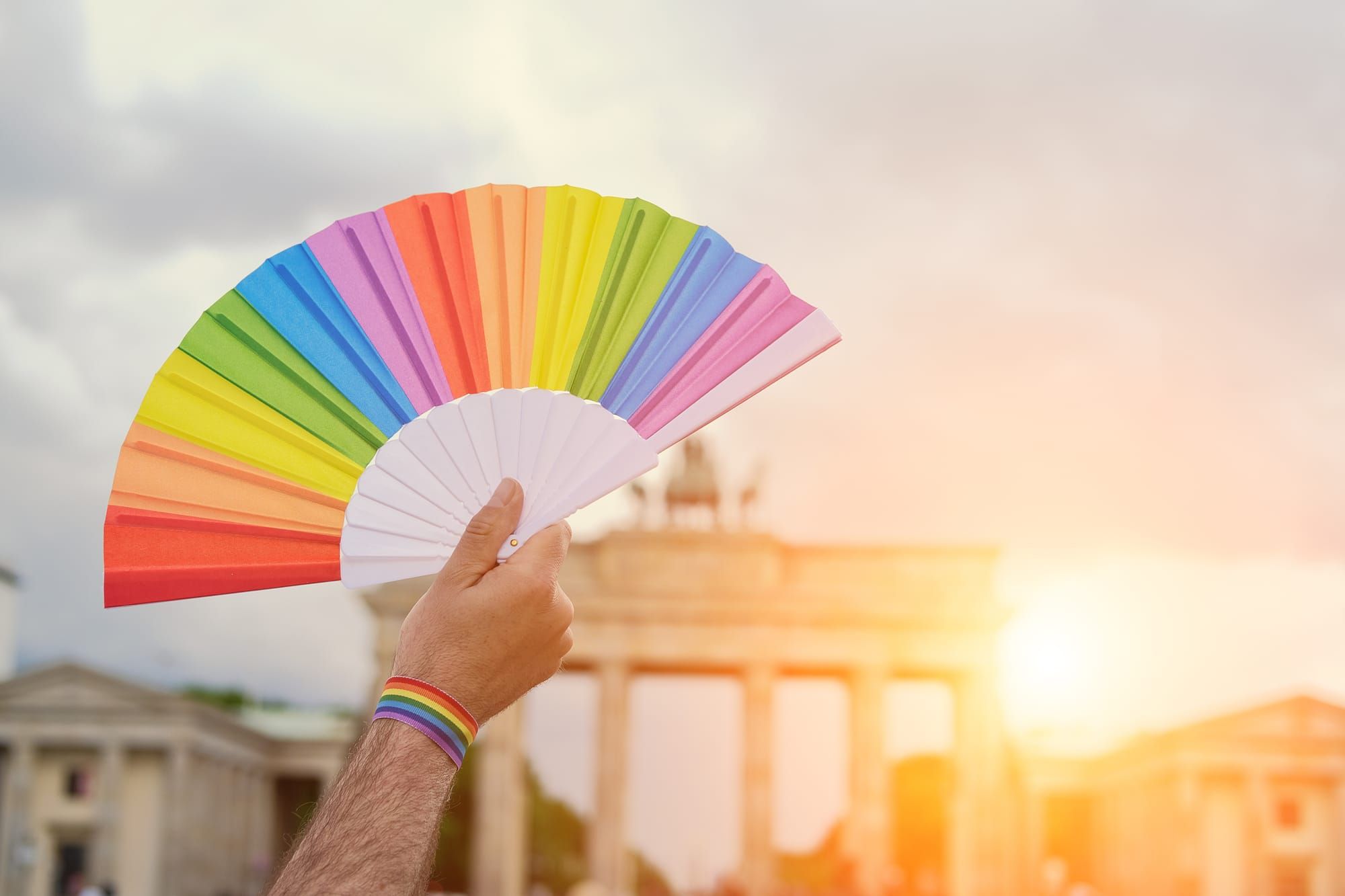
On the Saturday evening of Berlin's annual LGBTQ Pride festival - it's Christopher Street Day parade on 25th July - one woman was killed and 29 others were injured when a van was driven into a crowd. After crashing the van into a tree, the driver got out and began attacking people with a machete before fleeing the scene on foot.
Soon after the attack, police released the name of the suspect that they believed was responsible for the attack - 21-year-old Abdul Ballout. Ballout was known to authorities as having extremist views.

Less than 24 hours later, Ballout has been shot dead in a police operation in the Spandau district of Berlin, where Ballout was located in an allotment garden.
“We are dealing here with a suspected perpetrator, who had previously drawn attention to himself through a high volume of criminal offences, radicalisation and affiliation with the Islamist scene...” announced the interior minister, Alexander Dobrindt, speaking at a press conference.
Media reports describe Ballout as a German national with Lebanese roots, who was a supporter of Islamic State and last year travelled to the Middle East in a failed attempt to join the group.
It's not clear what might have triggered Ballout's attack on the Pride celebrations, and there's been no information released as to whether authorities are confident that Ballout was working alone.
What is clear is that the LGBTQ community remains vulnerable to violent attacks. Divisive rhetoric that pits marginalised groups against each other heightens the risks faced by queer people.
What's life like for LGBTQ people in Germany?
What's life like for LGBTQ people in Germany? Let's take a look at some of the key equality indicators.
Is it legal to be gay in Germany?
Yes. The geo-political history of Germany complicates the timeline a bit, but these days Germany is one of the most gay-friendly countries in the world.
Is there anti-discrimination legislation in place in Germany?
Yes. Throughout Germany, it is illegal to discriminate against someone because of their sexuality or gender-identity.
Is there marriage equality?
Yes. Legal recognition of same-sex couples was possible from 2001, and full marriage equality came into effect in 2017.
What’s it like for LGBTQ people who live there?
Despite the historical persecution of LGBTQ people during the WWII era, Germany today is a pretty good place to be queer.
In the recent ILGA report on LGBTQ Equality in Europe, Germany is ranked 7th overall. With a total score of 69.54%, Germany scored strongly on all criteria assessed, with most room to improve on the criteria of Family and also Intersex Bodily Integrity.