Healthy ageing: More than just lifespan
Practical nutrition tips to help you shine as you age


We are living longer lives, but a longer life does not always mean a healthier one. Many people spend more years managing chronic disease or reduced independence. As a result, the concept of healthspan is gaining more importance: the years we remain physically able, mentally well and socially connected.
Ageing is a natural part of life, but how we age is shaped by many factors, including what we eat, how we move and the support networks around us. Nutrition is one of the areas where practical choices can help maintain our strength, energy and overall well-being.
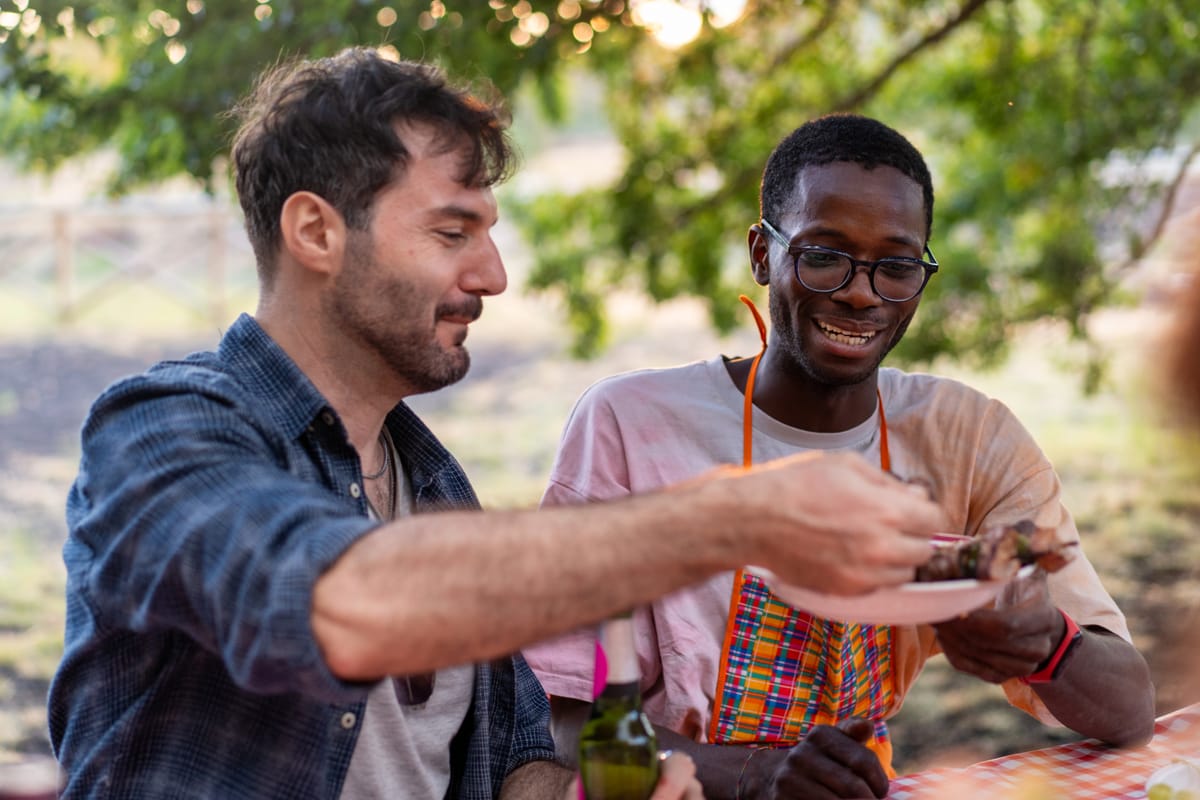
For many people in the LGBTQ+ community, food is woven into celebrations and friendships. Healthy ageing can therefore be more than biology. It can mean caring for ourselves and for each other as we move through life.
What changes as we age?
Biological changes take place gradually as we grow older. Our muscles may not build or repair as efficiently as before. If we move less, muscle mass can slowly be replaced by fat tissue (a process sometimes called sarcopenia). Bones can become more fragile over time, potentially increasing the risk of fractures. Our immune system may respond more slowly to infections, and recovery may take longer. Brain functions, such as memory and reaction speed, can slow down. Even the way the body filters waste (through our kidneys) or manages blood sugar levels can become less efficient.
These changes do not unfold in the same way for everyone. They depend on genetics, activity levels, mental health, social support and nutrition.
On top of that, many LGBTQ+ adults may face additional challenges, such as isolation, discrimination or reduced access to healthcare. These social factors can shape health just as strongly as biological ones.
The good news is that you can incorporate supportive habits at any stage of your life, even now. Some examples? Having nourishing meals, fostering meaningful connections and including regular movement can help us feel stronger (and more resilient) as we age.
How nutrition can support healthy ageing
While no food or nutrient can stop ageing, how we eat can influence how we feel (and function) throughout life. Including a source of protein (poultry, fish, eggs, tofu, tempeh, beans, pulses) in your meals can help support muscle mass and bone health. Then there are calcium-rich foods (including dairy, fortified plant-based drinks, leafy green vegetables) that contribute to bone health. Vitamin D, from sunlight exposure and certain foods (animal products, UV-exposed mushrooms), supports bones and the immune system. At the same time, healthy fats (from olive oil, nuts, seeds, oily fish, algae oil) can contribute to brain and heart wellbeing. And let’s not forget fibre from vegetables, legumes, fruit and whole grains, which can have a positive impact on gut health and help reduce the risk of long-term diseases.
Eating patterns that prioritise a varied diet, including whole and plant-based foods and healthy fats, are among the most researched for supporting healthy ageing. In fact, Mediterranean-style eating is often associated with better outcomes. But let’s remember association is not causation, and individual needs may vary.
And there is more. The gut microbiota, that is, the microorganisms that live in your gut, could also play a role in healthy ageing. Ongoing research in this area is promising, but it is too early to draw any conclusions. Yet, dietary variety has been linked to greater microbiota diversity, which may contribute to healthier ageing. Time will tell.
Genetics, environment, access to healthcare and mental wellbeing also shape how we age. Emerging technologies such as whole-genome sequencing may one day help us understand how specific gene variants influence ageing (including how your body responds to what you eat). Yet, this field is still in its early stages.
In the end, what matters most is finding what feels nourishing, satisfying and compatible with your lifestyle and needs.
If you are living with long-term health conditions, taking regular medications or experiencing difficulties with eating habits, it is advisable to seek personalised advice from a medical professional or a registered dietitian.
Beyond nutrition: lifestyle and community
Wellbeing goes far beyond what is on our plates. Staying physically active (however you prefer), resting well, managing stress and looking after our mental health all support healthy ageing. Maintaining meaningful connections is especially important. Think of how sharing meals and experiences can support our mental health and a sense of belonging, reminding us that we do not have to navigate life alone.
Long life to you
I like viewing healthy ageing as a continuation of pride: a celebration of everything we have overcome and everything we continue to become. It is not about resisting the passage of time, but more about embracing life with purpose and connection.
Small choices, repeated often, can have a meaningful impact, and it is never too early or too late to begin. Take what resonates with you, adapt it to your life and keep celebrating who you are. May your long life journey be nourishing and full of pride.
Spread the love with food.

Emiliano Pena is a dietician based in London
This article is for general information only and is not a substitute for personalised medical or nutritional advice.
Read more about food and nutrition
 Emiliano Pena
 Emiliano Pena
 Emiliano Pena
 Emiliano Pena
 Emiliano Pena
 Emiliano Pena
 Emiliano Pena
 Emiliano Pena
 Emiliano Pena
 Emiliano Pena
 Emiliano Pena
 Emiliano Pena
 Gareth Johnson