100 Heroes: Peter Hujar
The gay man who became an iconic photographer.

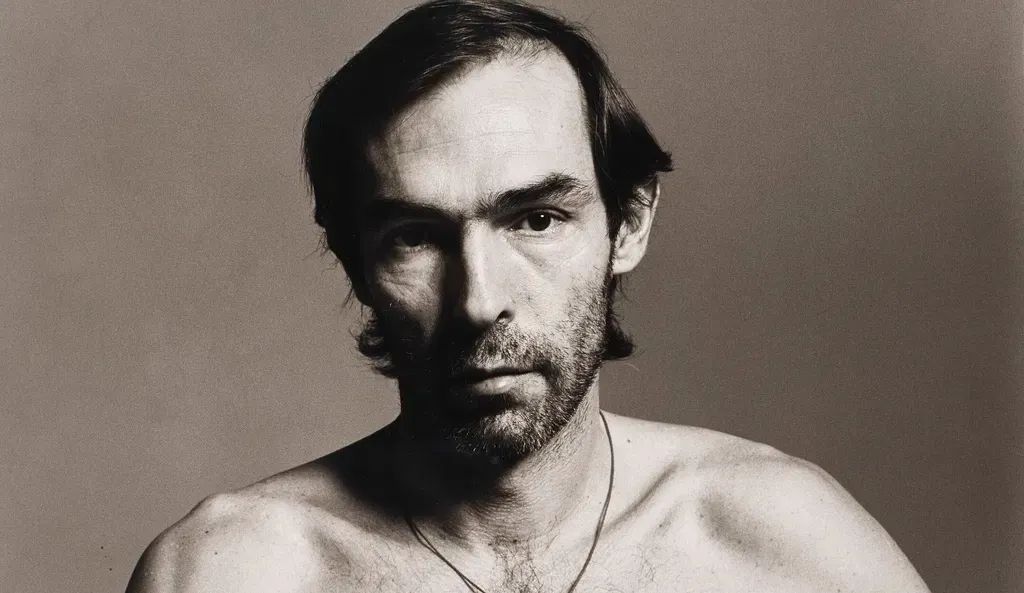
Peter Hujar was born in 1934, in Trenton, New Jersey. His mother relocated him to New York when she remarried but Hujar left home at 16 to live independently.
He studied photography at the School of Industrial Art.
In the 1960s, besides making his own work, he performed for Andy Warhol in the ‘Screen Tests’ series of films.
He became an artist-activist as part of the gay liberation movement. He was one of the photographers that documented the first gay liberation march - held on 28 June, 1970.
Around this time, Hujar took an iconic photo that was used as a poster for the Gay Liberation Front.
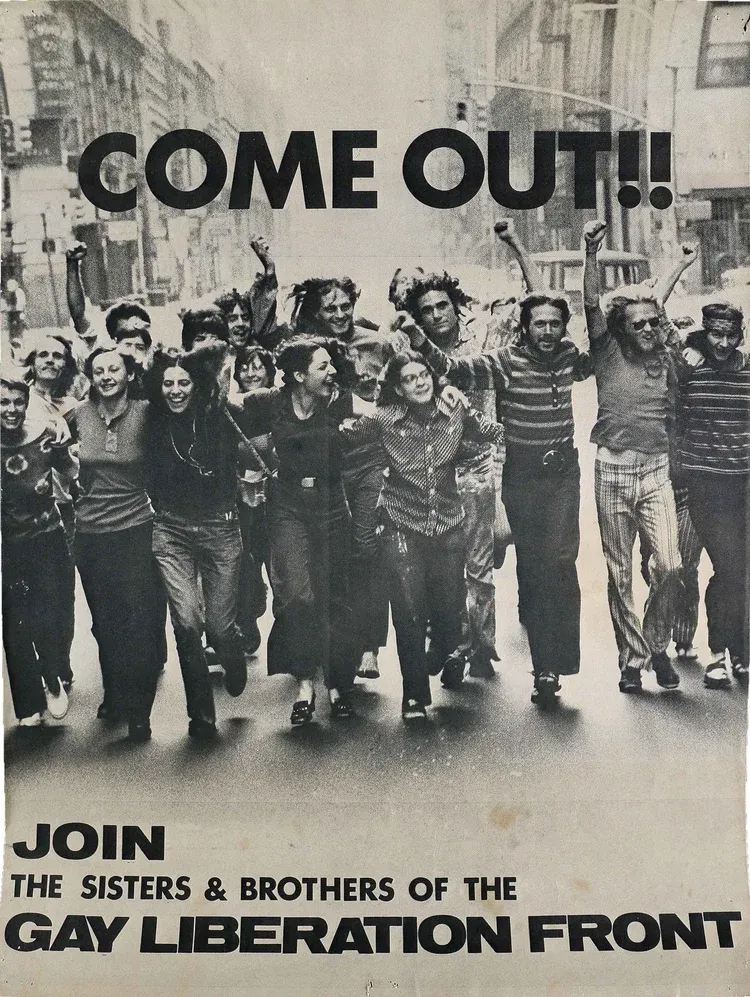
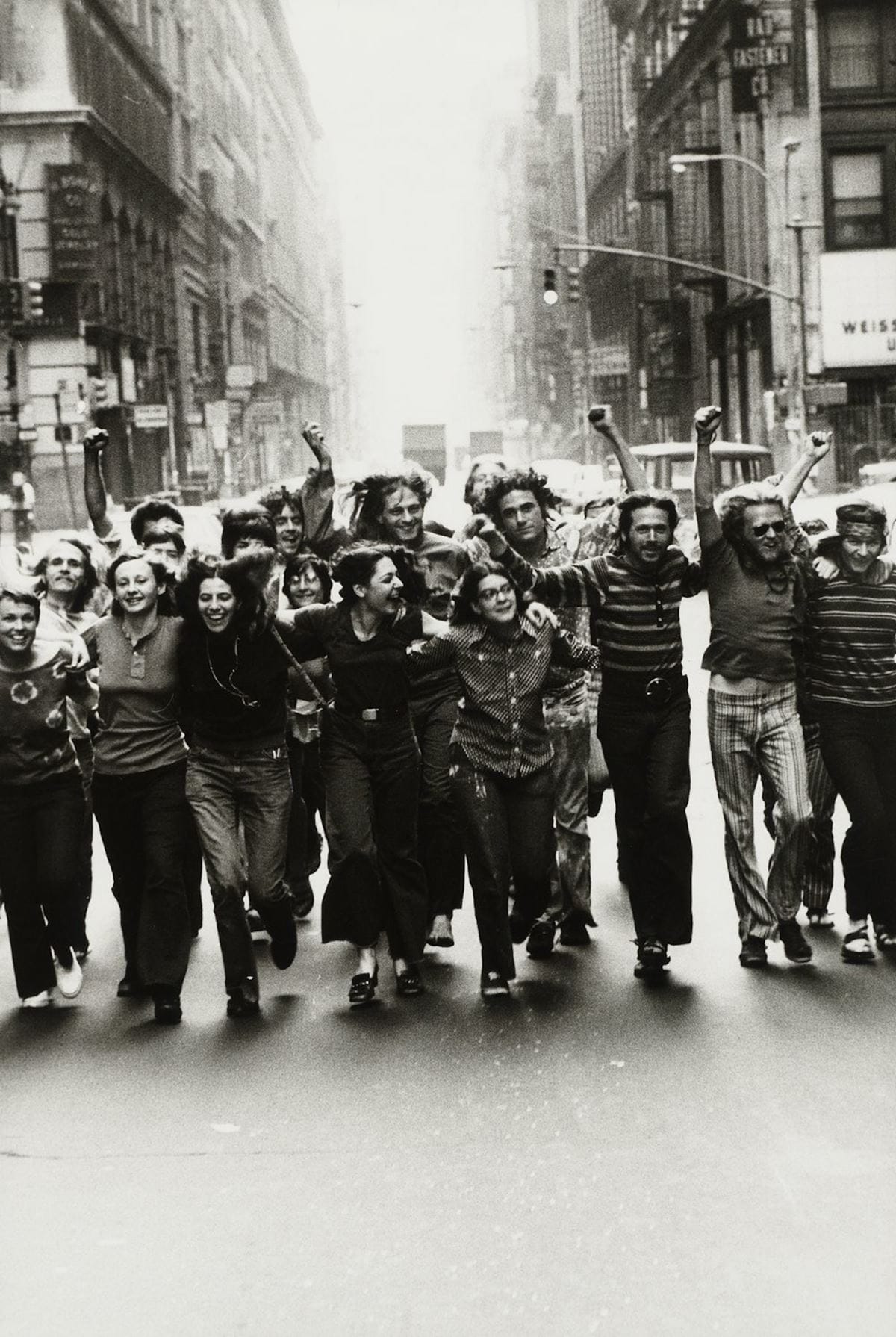
Photo by Peter Hujar
Hujar began exhibiting his work in the 1970s and shot the likes of Allen Ginsburg, William Burroughs, John Waters and Divine. He also produced homoerotic work and often shot candid portraits of friends.
During his lifetime, Hujar’s work received little recognition but he is now regarded as one of the foremost US photographers of the 20th century.
Significant relationships included Paul Thek, Jim Fouratt, and David Wojnarowicz.
He died in 1987 at the age of 53. The cause of death was AIDS-related illness.
The film
Peter Hujar's Day is directed by Ira Sachs. It stars Ben Whishaw as Hujar. Rebecca Hall plays Linda Rosenkranz - a friend of Hujar's who prompts him to reflect and record how his day has unfolded.
The film is an interesting project. It's a reconstruction of a conversation and Sachs invites the audience to take part in that reconstruction with Brechtian glimpses of behind-the-scenes filmmaking and deliberate visual fragmentation as the story is pieced together.
In writing the screenplay, the source material that Sachs had to work with - as well as Rosenkranz herself - was the transcript of the recording that Rosenkranz had made of her conversation with Hujar. The original recording was lost.
Rebecca Hall is beautiful and provides an effective foil to the dialogue-driven Hujar. Whishaw is outstanding - he inhabits Hujar's stream-of-consciousness thoughts and complex speech-patterns as if they were his own.
What's not particularly clear is why Sachs wanted to make this film and what he's trying to say.
It is the reimagining of a time-capsule, a meditation on life in New York City in the early 70s, a masterclass in name-dropping, and an insight into the trials and tribulations of a photographer who takes his work very seriously.
As a man, the Hujar that emerges on the screen is spiky, dry, detail-driven. We're given glimpses of wry humour, and moments of self-depreciation, but the film is an almost reverential ode to a talented artist - another name in the tsunami of loss as the AIDS pandemic took generations of young men from their friends, families, and lovers.
It's the kind of film that makes you want to curl up on the sofa, watching it while smoking cigarettes and drinking whisky, letting the dulcet tones of Ben Whishaw wash over you .
 Gareth Johnson