When good intentions meet real life: why context matters
Supporting your nutrition journey when life gets in the way

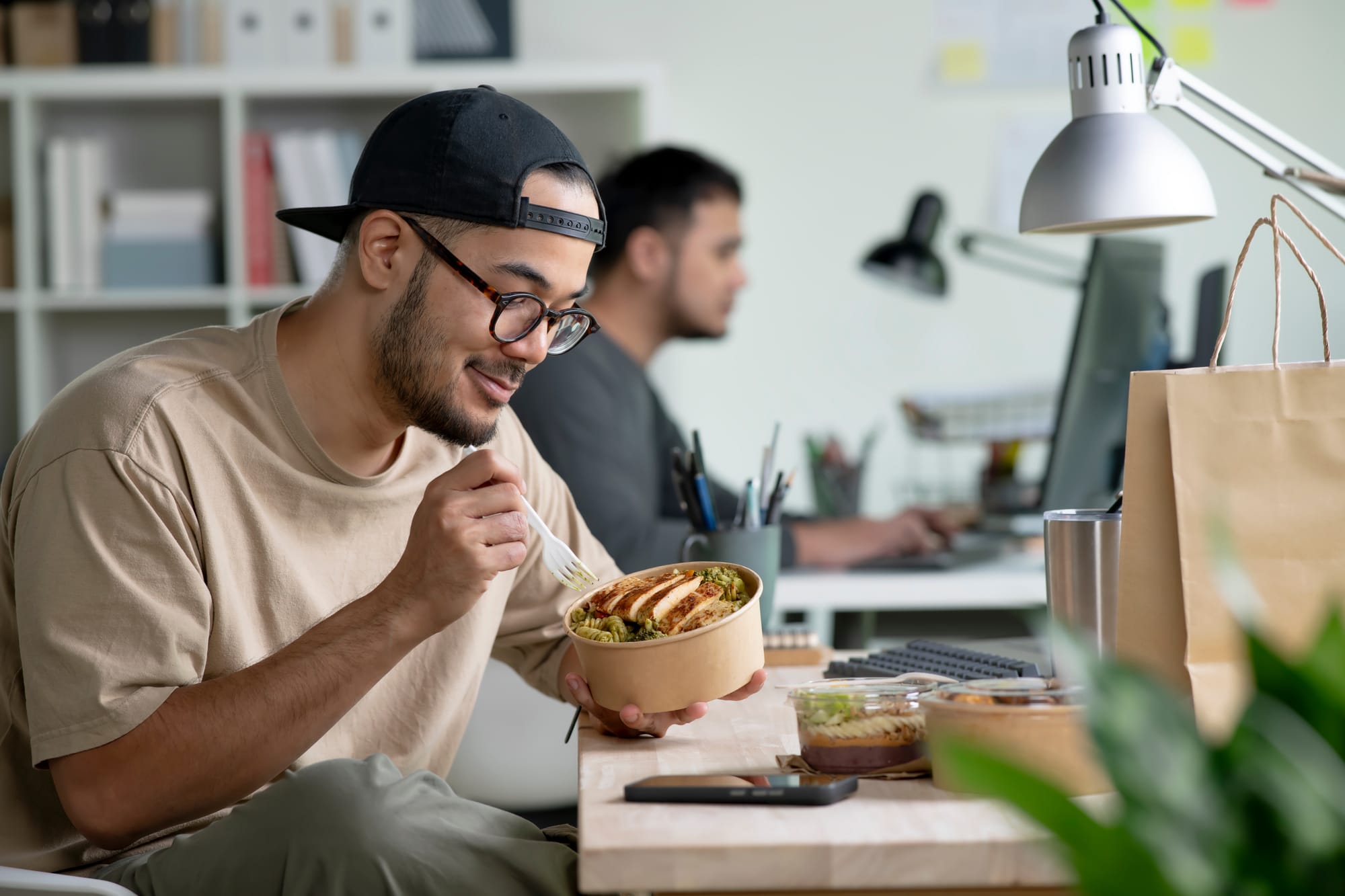
So the new year has started, and you have set your (SMART) goals (see previous article on goal setting). All of a sudden, that goal you had set to eat a more varied diet seems to shatter when you have to travel for work for two weeks, knowing you will be staying in different places every day. You start feeling stressed because you have put time and thought into making sustainable changes to your lifestyle, and then, suddenly, real life seems to get in the way.
Does this mean that all the good intentions you had worked on have vaporised? Unexpected changes can happen (that is life, after all), but it does not mean all is lost. Let’s take a step back.
Even when you build what feels like the “perfect” plan, it may not be bulletproof. While having alternative approaches can sometimes help you adapt to different situations, perfection is hard (and often impossible) to achieve. Yet progress towards your goals is still possible, especially if you allow yourself to reframe what staying on track really means.
When life takes you away from your goals
Let’s take a look at some common factors that can influence how easy or difficult it feels to follow through with your nutrition goals in everyday life. These are just a few examples, as your own challenges may look different.
Busy schedules, irregular routines and fatigue
After a long day, the last thing you may want to do is spend time cooking a meal from scratch. You might feel too tired to do food shopping after back-to-back meetings, or you may work irregular hours, night shifts or different schedules each day. In these situations, decision-making can feel harder, and convenience often takes priority. Being aware of when your time and energy are most limited can help you reflect on what feels realistic in those moments, rather than holding yourself to expectations that are difficult to meet consistently.
Is this something you recognise in your own routine?
Social eating and eating out
Sharing meals with others can play an important role in wellbeing, connection and enjoyment, something we have touched on in previous articles. At the same time, eating out or eating socially may not always align neatly with your nutrition goals. Menus may feel limited, or the choices may not look exactly as you planned. Accepting some degree of compromise in these situations can be part of a flexible approach. Connection, enjoyment and shared experiences also matter, and they can be part of your broader picture of health.
How do you usually feel when social plans do not quite fit with your goals?
Limited food choice, including travel
Travelling, whether for work or leisure, can feel particularly challenging when it comes to nutrition. Different food cultures, menus and routines may make it harder to follow your usual patterns. Looking at these situations with curiosity rather than rigid expectations can help. You may notice options that feel broadly aligned with your goals, even if they are not exactly what you would choose at home. Trying new foods and flavours can also be part of the experience.
Have you noticed how your approach to food changes when you are away from home?
Reframing perfection
Sometimes you may not be able to fully stick to your nutrition goals, and that is okay. Progress is not necessarily defined by perfection. It can be helpful to pause and reflect on what may be making things harder at a given time. Is it something within your control, or do circumstances around you influence it? Is there room for flexibility, or an alternative approach to the situation?
Taking a broader view of progress and recognising the effort you are putting in over time can help support your long-term wellbeing. Goals are not meant to remove the joy of life, but to guide you through it. Food, after all, is not only about nutrients or plans, but also about connection and the experiences we share along the way.
Spread the love with food.
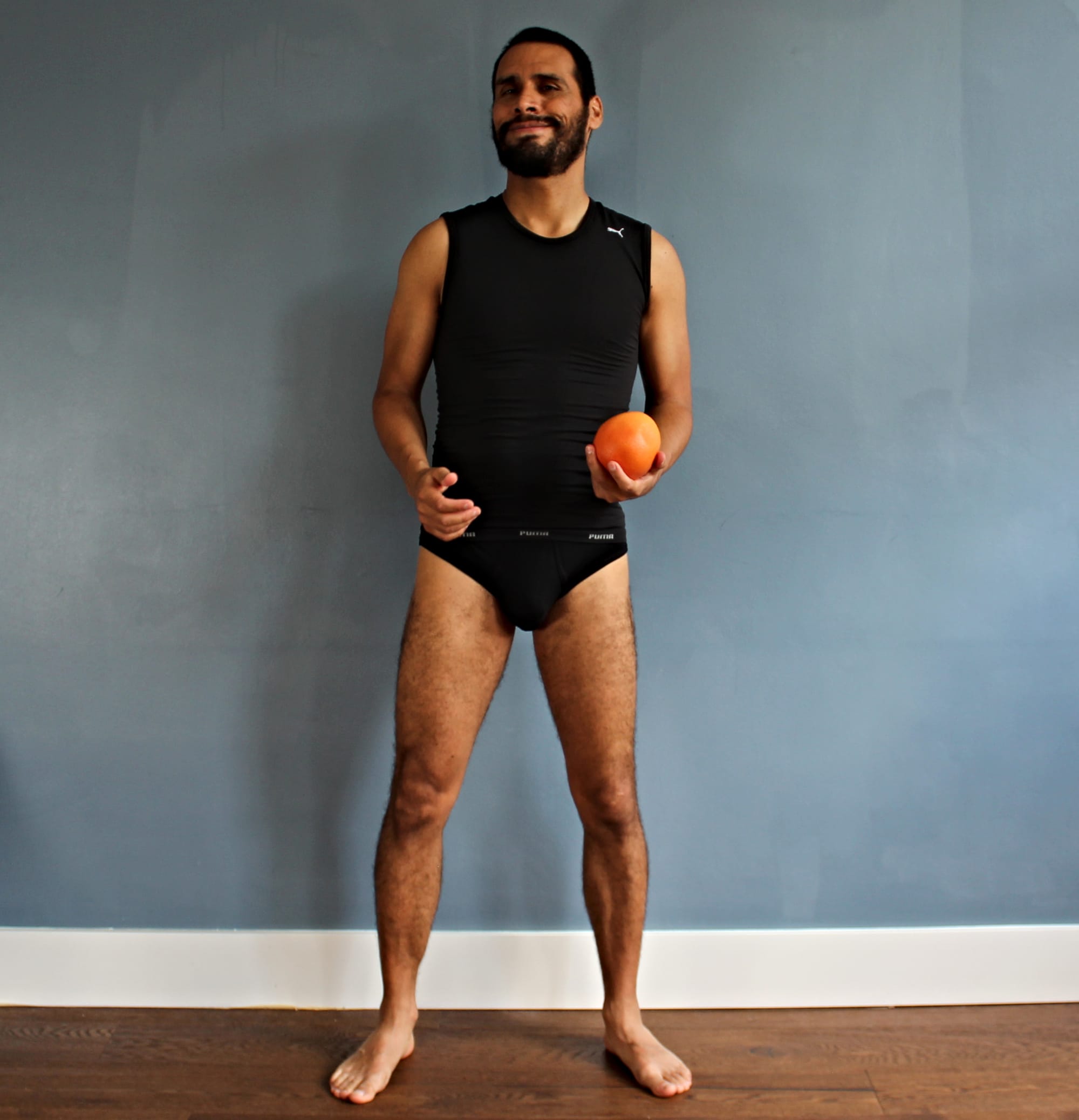
Emiliano Pena is a dietician based in London
This article is for general information only and is not a substitute for personalised medical or nutritional advice.
Read more about food and nutrition
 Emiliano Pena
 Emiliano Pena
 Emiliano Pena
 Emiliano Pena
 Emiliano Pena
 Emiliano Pena
 Emiliano Pena
 Emiliano Pena
 Emiliano Pena
 Emiliano Pena
 Emiliano Pena
 Gareth Johnson